As an Amazon Associate, 456 AutoFix earns from qualifying purchases. Product links below go to Amazon, where you can confirm the right part for your vehicle.
An old car rarely rusts from the outside first. Moisture sits inside rocker panels, door bottoms and seams for years before a bubble shows in the paint. The best undercoating for classic cars is usually two products, not one: a wax that works inside the sealed panels and a tougher coat for the clean metal you can see underneath.
Below we cover where older bodies trap water, how the coating types differ, and six products for survivors and restorations. If you drive a modern daily car through the salt instead, our undercoating guide for road salt is the better starting point.
Quick answer
What should go under a classic car?
Start inside the panels. A cavity wax such as 3M Cavity Wax Plus or a penetrating oil-wax like DINITROL ML protects rockers, doors and seams, including ones with light rust. Save rubberized coatings such as POR-15 for clean, repaired floors and wheel wells, never over active rust.
Our Quick Picks
Three quick picks for the jobs most collector cars need: wax inside sealed panels, an oily film for seams that already show rust, and a rubber coat for restored floors. All six products are covered below.

3M Cavity Wax Plus with Wand Kit
Soft wax that reaches inside rockers, doors and rails through 360-degree wands.

DINITROL ML Brown
Thin, creeping oil-wax film made for steel that already shows corrosion.

POR-15 Rubberized Undercoating
A black sound-deadening coat for clean, repaired underbody metal.
Where Older Bodies Hide Rust
Older cars without galvanized steel or factory cavity sealing tend to rot in the same places. Check these with a flashlight and a small pick before you buy anything.
- Rocker panels and pinch welds: closed boxes that hold water and dirt.
- Door bottoms: rain sits on the lower seam when drain holes clog.
- Quarter panel pockets: mud packs in behind the wheels.
- Floor pans and trunk floor: leaking seals and wet carpet rust them from above.
- Frame rails: boxed sections you cannot see into without a borescope.
Light surface bloom on solid metal is normal at this age. Metal that flakes, crumbles or shows holes needs repair first.
Wax Inside, Rubber Outside
Rust needs water, oxygen and often salt; the corrosion basics from AMPP list protective coatings and regular inspection among the main ways to control it. On an old car, the coating has to match the surface it goes on.
- Cavity wax: a soft film sprayed through a wand into closed sections, where it creeps into seams.
- Penetrating oil-wax: thinner still, made to soak into seams that already show surface rust.
- Rubberized coating: a thicker black layer for exposed floors and wheel wells that deadens noise but can trap water over rust.
If you find scale that needs stripping first, a rust remover or converter comes before any of these. Our guide to rust removers and converters for frames and body steel covers the prep products, and the same advice applies when you shop for the best rust converter for old cars.
Best Undercoating for Classic Cars: Six Cans for Old Steel
The first four go inside the body and the last two go on the outside. Descriptions follow the maker’s or listing’s claims, so read each label before you spray.
1. 3M Cavity Wax Plus 08852 with 08851 Wand Kit: Non-Hardening Wax for Enclosed Panels
- 18 fl oz aerosol of non-hardening cavity wax
- Wand kit with 24 and 34 inch 360-degree nozzles
- Extra 8 inch wand for flooding seams and joints
- Stays soft, so it will not crack, chip or peel
This bundle pairs a can of 3M Cavity Wax Plus, part 08852, with the 3M 08851 applicator wand kit. The wax is sold as an 18 fl oz aerosol, and the listing describes it as protection for internal body panels, frame rails and structural enclosures. On an older car that means rocker boxes, door bottoms, quarter panel pockets and boxed frame sections.
The wax is non-hardening, so the listing says it stays soft and pliable instead of cracking, chipping or peeling. The title also calls it self-healing, meaning it is meant to flow back into small cracks and crevices. The wand kit is the practical half of the purchase: 24 and 34 inch wands end in small 360-degree nozzles that spray in every direction once they are inside a panel, and a shorter 8 inch wand is included for flooding seams and joints.
It suits a classic that is solid or freshly repaired, where the goal is to keep moisture from starting new rust inside closed sections. It is not a chip-resistant coat for wheel wells or a cure for metal that is already flaking. Expect some drips from drain holes at first, and keep the drain holes themselves clear.
View 3M Cavity Wax Plus with Wand Kit on Amazon
2. DINITROL ML Brown 500 ml Spray: Penetrating Oil-Based Cavity Wax for Corroded Seams
- Oil and wax base that creeps into gaps and overlaps
- Can go on moist or already corroded surfaces
- Water-repellent, oily and flexible film
- Can be over-coated with DINITROL bitumen underbody coatings
DINITROL ML is a brown, oil-based cavity wax from DINOL GmbH, sold here in a 500 ml spray can. The maker’s product page describes it as an extremely penetrating product that creeps into gaps, overlaps and corroded areas, and it names closed cavities such as doors, frame members and exterior joints as its main targets. It also says the product suits rust-proofing second-hand vehicles.
The listing highlights a water-repellent, oily and flexible film that is intended to stop ongoing corrosion. Unlike many coatings, it can be applied to moist and corroded surfaces, although the maker says loose corrosion should be removed first. It can also be applied wet-on-wet with a bitumen underbody coating or over-coated later with one of the brand’s underbody products, and the maker lists it as meeting or exceeding MIL 16173 D/E Grade 5.
That makes it a strong fit for an original, unrestored car with pinholes of rust in seams and pinch welds that you do not plan to strip. Because the film stays oily, it is less suited to exposed surfaces you want to keep clean and dry to the touch, and it will collect some dust under the car.
View DINITROL ML Brown on Amazon
3. KBS Coatings 75100 Cavity Coater 17.5 oz: Water-Displacing Rust Inhibitor for Seams

- 17.5 fl oz aerosol rust inhibitor
- Wicks into welds and seams that paint cannot reach
- Water displacing and self-healing
- Pairs with the KBS 36 inch Cavity Wand, sold separately
The KBS Coatings 75100 Cavity Coater is an aerosol rust inhibitor for the parts of a body you cannot paint properly. The listing names frame rails, rocker panels, doors and floor seams as target areas, and it suggests adding the KBS 36 inch Cavity Wand to reach inside them. The can holds 17.5 fl oz.
According to the listing, the coating creeps into welds and seams and wicks into places where primers and topcoats cannot reach. It is described as water displacing and self-healing, and as resistant to road salt, salt water, steam, alkaline solutions and most chemical and acid vapors. KBS also claims more than 4,000 hours in salt spray testing, which is the maker’s own figure rather than a field result, so treat it as a comparison point and not a promise.
This one makes sense during a restoration, when floors, rockers and new patch panels are freshly welded and the inside surfaces are still reachable. Spray the inside of every new seam before the panel is closed up for good. It is not built to stand up to gravel on exposed wheel wells, and the wand is a separate purchase you will want for anything deeper than a door bottom.
View KBS Coatings Cavity Coater on Amazon
4. DINITROL 77B Cavity Wax 4 x 500 ml: Light Brown Wax with a Firm Residual Film

- Four 500 ml aerosol cans
- Thick, light brown waxy film after the solvent evaporates
- Firmer film adds some protection against wear
- Low aromatic solvent formula
DINITROL 77B is a wax-based corrosion preventive from the same maker as ML, sold here as a four-pack of 500 ml aerosol cans. Where ML stays oily and keeps creeping, 77B dries to a thicker, light brown waxy film once its solvents evaporate. The maker’s page says it is designed primarily for cavity protection but may also be used for storage, transport and underbody protection.
The listing points out that the firmer residual film gives some protection against mechanical wear, which a purely oily coating does not. It contains low aromatic solvents and is described as an OEM product, meaning it is supplied to vehicle makers as well as the repair trade. Four cans should cover the doors, rockers and trunk seams of most older cars.
It suits a classic that spends long stretches parked in a garage or barn, where the aim is a durable wax film that stays put through humid summers and damp storage months. Some owners put ML into rusty seams first and follow with a firmer wax like this on top, but read both labels before you do. It is not meant for engine bays or hot exhaust parts.
View DINITROL 77B Cavity Wax on Amazon
5. POR-15 Rubberized Undercoating 22 oz: Black Spray Rubber Coating for Chassis and Wheel Wells
- 22 fl oz black aerosol rubberized coating
- Dry to touch or recoat in about 1 hour
- Deadens sound in wheel wells, fenders and quarter panels
- Bare metal or over POR-15 Rust Preventive
POR-15 Rubberized Undercoating is a 22 fl oz aerosol from the company known for its three-step stop-rust system, and the listing names restoring a classic car as one of the main reasons to use it. It sprays on as a black rubberized coating for the chassis and undercarriage and is meant to protect against moisture, salt, chemicals, dust, heat and cold.
Preparation matters with this one: the listing says to remove all loose rust, dirt, grease and wax, shake the can for at least a minute, and spray from 12 to 16 inches away. It dries in about an hour before you can touch it or apply another coat. It can go on cleaned bare metal, but POR-15 recommends its Rust Preventive Coating underneath for the strongest result. The rubber layer also acts as a sound barrier in wheel wells, quarter panels and fenders.
This fits a restoration where new floor pans, wheel tubs or a repaired underbody need a period-looking black finish over sound, sealed metal. It is the wrong choice over active rust or old flaking undercoating, because a hard layer can hide moisture against the steel. Keep wax, not rubber, inside closed panels.
View POR-15 Rubberized Undercoating on Amazon
6. Eastwood Rubberized Undercoating 18 oz: Noise-Reducing Rust Barrier for Metal and Fiberglass

- 18 oz aerosol rubberized undercoating
- Tough, flexible film that reduces road noise
- Adheres to metal and fiberglass
- Covers up to 14 square feet per can
Eastwood sells tools and finishes aimed squarely at the restoration crowd, and its Rubberized Undercoating is a straightforward 18 oz aerosol for the underside of a car. The listing describes it as a tough, flexible film that protects the underside against rust and reduces road noise, which is the traditional job undercoating did on many cars when they were new.
One detail sets it apart from many rubberized sprays: the listing says it adheres to both metal and fiberglass. That helps on classics with fiberglass bodies or replacement panels. Each can is rated to cover up to 14 square feet, so plan on several cans for a full floor and a set of wheel wells, and fewer for patch work.
Use it the way you would any rubberized product on an older car: only over clean, dry, rust-free metal or fiberglass, and mainly on exposed surfaces such as wheel wells, floor pan undersides and the backs of fenders. It does not belong inside rockers or doors, where a soft wax can keep moving into seams. On original-finish cars, test a small area first, because a fresh black coat may not match a factory look.
View Eastwood Rubberized Undercoating on Amazon
Which Product Goes Where on a Collector Car
Most classics need one wax for the cavities and, on repaired floors, one rubberized can. The table pairs each area with a product.
| Area or condition | Coating type | From this guide | Recheck |
|---|---|---|---|
| Rockers, doors, quarter pockets (solid metal) | Cavity wax | 3M Cavity Wax Plus | Each spring |
| Original seams with surface rust | Penetrating oil-wax | DINITROL ML | Each fall |
| New welds during a restoration | Cavity coating | KBS Cavity Coater | Before panels close |
| Car stored for months | Firmer cavity wax | DINITROL 77B | After storage |
| Repaired floors and wheel wells | Rubberized coat | POR-15 or Eastwood | Look for cracks yearly |
On a survivor car with factory undercoat, test any product on a hidden spot first, since a black rubber layer is far harder to undo than wax.
Getting a Collector Car Ready for Winter
Plenty of West Michigan classics never see a salted road, but a cold garage through a humid fall and a damp spring still lets condensation form inside panels. Pick a dry stretch of weather in early fall, before the car goes away.
- Clean the underside: rinse out mud and let the car dry for a day or more.
- Open the drain holes: clear door and rocker drains with a pick.
- Mask: cover brakes, exhaust parts and rubber bushings.
- Wax the cavities first: push the wand in fully, then spray as you pull it out.
- Coat the outside last: rubberized coating only on clean, rust-free metal.
The maker of DINITROL says its ML spray is designed for closed cavities such as doors and frame members, which is why the wand step matters more than the outside coat. For the rest of the seasonal list, our winter car maintenance checklist covers fluids, tires and the battery.
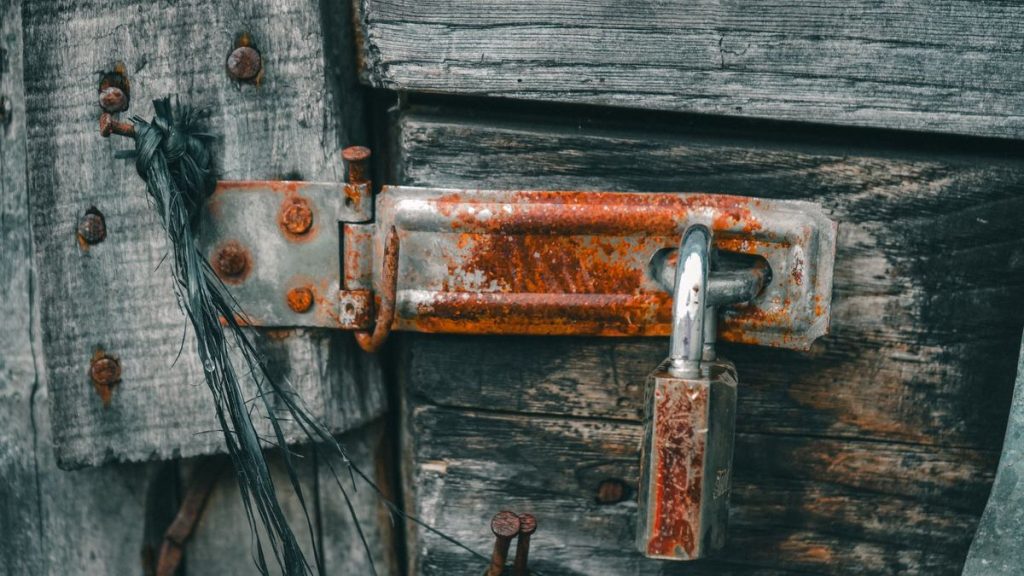
Driving the classic on cold, dry days? Our roundup of winter car accessories covers scrapers and emergency gear worth keeping in the trunk.
When Coating Is Not Enough
No undercoating can replace lost steel, and even the best undercoating for classic cars will only hide a rotten floor or rocker. Holes, soft spots and sagging body mounts call for metal repair first.
Steel brake lines on older cars often run exposed along the floor and frame, where they rust quietly. Our article on brake line rust and what it looks like explains the warning signs, and our brake repair service in Grand Rapids handles lines, hoses and hardware.
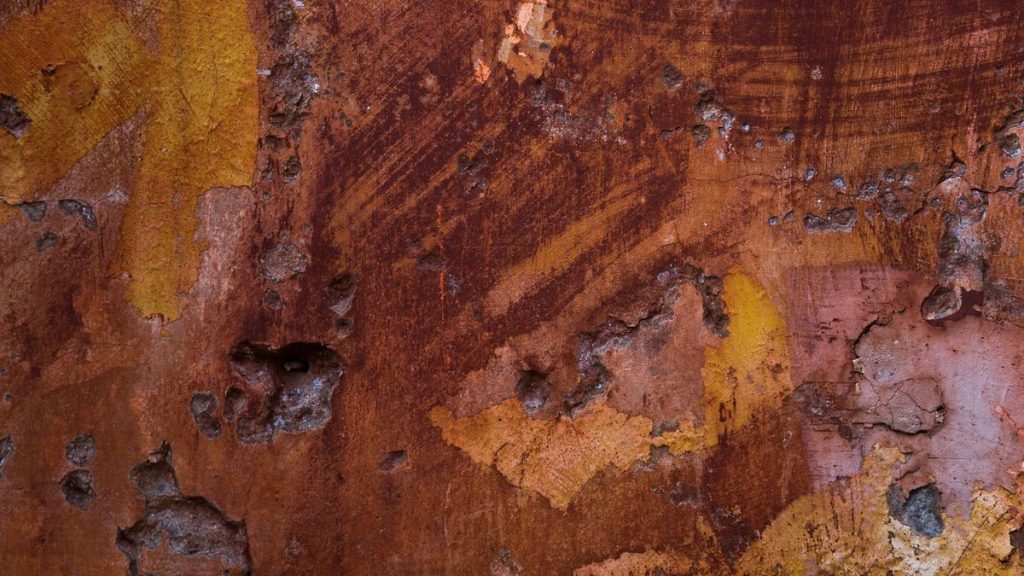
Old exhaust hangers and pipes rust too, and our exhaust repair in Grand Rapids covers that work. Buying an older car? A pre-purchase inspection shows what hides under the paint.
More Buying Guides
Frequently Asked Questions
What is the best undercoating for classic cars with original rust?
A penetrating oil-wax such as DINITROL ML is the usual choice, because it soaks into seams with surface rust instead of sealing it in. Remove loose scale first. Flaking metal or holes need repair before any coating goes on.
Is rubberized undercoating bad for an old car?
Not on clean, solid metal, where it adds chip resistance and deadens noise. The trouble starts when it goes over rust or cracks with age, because water can sit behind it unseen. Keep it on exposed floors and wheel wells, and use wax inside panels.
Does a garage-kept classic need undercoating?
Usually yes, at least inside the cavities. A car parked through humid summers and cold storage months can still collect condensation inside rockers and doors. A cavity wax and clear drain holes deal with that without changing how the car looks.
Will undercoating hurt the value of a collector car?
It can if a heavy black coat covers an original underside that buyers or judges want to see. Soft waxes are easier to remove later. Test any product on a hidden spot first, and keep notes on what you used and where.
Lifted your classic and found brake lines or exhaust parts that look worse than the floors? Call 456 AutoFix at 616-279-3832, Monday to Friday from 8am to 5pm, or set up a visit on our contact page for a look at the lines and exhaust.
Only free to bring the old car in on an evening? Roll it up to 456 Carrier St NE and use the after-hours drop-off, with a note about what you spotted underneath.