
As an Amazon Associate, 456 AutoFix earns from qualifying purchases. Product links below go to Amazon, where you can confirm the right part for your vehicle.
The coolant shelf holds orange, yellow, pink, blue and violet jugs from Zerex, Prestone, Peak and the carmakers themselves. The best coolant brand for your car is a reputable one that makes the exact chemistry your owner’s manual calls for. A good brand in the wrong formula is still the wrong coolant.
Below we explain the main coolant types and mixing risks, then cover six coolants that match the common specifications.
Quick answer
Which coolant brand should you buy?
Buy the chemistry your owner’s manual specifies, from a brand that prints that spec on the label. Zerex, Peak, Prestone and genuine dealer coolant all qualify. A HOAT engine takes a G-05 type like Zerex G05, a GM OAT engine takes Dex-Cool, and Asian and European cars need their matching blue, pink or violet formula.
Our Quick Picks
Three coolants for the three most common families of specification. The exact code always comes from your owner's manual.

Zerex G05
Yellow G-05 type hybrid coolant that you dilute yourself.

Zerex Asian Vehicle Blue
Silicate-free blue coolant that pours straight in.

PEAK OET Violet
Violet silicated organic acid coolant for European specs.
Coolant Types Explained: OAT, HOAT, P-HOAT and Si-OAT
Most coolant is ethylene glycol plus a corrosion inhibitor package, and that package is what your engine’s specification is about. The main families are:
- IAT: the old green coolant, built on silicates and phosphates, which wears out quickly.
- OAT (organic acid technology): organic acids with no silicates. GM’s orange Dex-Cool is the most familiar example, with long service intervals.
- HOAT (hybrid OAT): organic acids plus a small amount of silicate for fast aluminum protection. The yellow G-05 type has been factory fill in many Ford, Chrysler and Mercedes-Benz models.
- P-HOAT or POAT (phosphated): silicate-free formulas with phosphate, used by most Asian makers. Toyota and Lexus use pink or red, while Honda, Nissan, Hyundai and Kia use blue in many models.
- Si-OAT (silicated OAT): the violet and pink coolants in Volkswagen and Audi’s G12++, G13 and G12 EVO specifications, also used by some other European makers.
Color is only dye, so two pink coolants can be different chemistries. Names vary too: Zerex calls its Asian blue a phosphate HOAT, while Peak calls a similar formula POAT.
Why the Spec Matters More Than the Best Coolant Brand
Your owner’s manual names a specification, such as Dex-Cool, Hyundai and Kia’s MS 591-08 or Volkswagen’s TL 774-J (G13). Look for that same code on the jug’s label. If it is there, the brand matters far less.
Universal “all makes” coolants are handy for a top-off but rarely list each carmaker’s approval. Valvoline’s Zerex team warns that settling for a generic universal coolant can lead to a larger repair bill later, which is the case for make-specific formulas.
The risk of mixing coolant types
Topping off with the same chemistry from another brand is generally fine. Mixing different chemistries is not: it dilutes both additive packages and has been linked to gel and sludge that can block a radiator or heater core.
Concentrate or 50/50 premix?
Concentrate costs less per gallon of finished coolant and lets you allow for water left in the block after a drain. Mix it with distilled water, never pour it in straight. Premix is the easy choice for topping off.
In Grand Rapids, a 50/50 mix (rated by Zerex to minus 34°F) covers a normal winter. Our Michigan winter car maintenance checklist covers testing your coolant before the cold arrives.
Best Coolant Brand Picks: Six Coolants by Specification
Each pick below matches a common specification. Check the code in your manual against the listing before you buy.
1. Zerex G05 Concentrate: 1-Gallon Yellow Hybrid Organic Acid Coolant
- Hybrid organic acid technology (HOAT)
- Yellow concentrate, mixed with water
- 50/50 mix rated -34°F to 265°F
- 5 year/150,000 mile guarantee
Zerex G05 is Valvoline’s hybrid organic acid technology (HOAT) coolant, sold on this listing as a 1-gallon yellow concentrate. G-05 is a long-standing HOAT formula, and many Ford, Chrysler and Mercedes-Benz models have used this type of coolant as factory fill over the years. The hybrid chemistry combines organic acids with a small amount of silicate, and the listing says it protects all cooling system metals, including aluminum.
Because it is a concentrate, you mix it yourself. Zerex lists a 50/50 mix with clean tap water or demineralized water for protection from minus 34°F to 265°F, with richer 60/40 and 70/30 mixes for harsher cold. Mixing your own lets you allow for water left in the block after a drain. Valvoline backs the product with a 5 year/150,000 mile guarantee against freeze-ups and boil-overs.
The listing also says the additives won’t harm gaskets, hoses, plastics or the vehicle’s paint. G05 is not a universal coolant, though. If your manual calls for Dex-Cool, an Asian blue or pink formula, or a coolant from the Volkswagen G12 family, choose that instead, and compare the code in your manual with the Zerex label before you buy.
2. Zerex Dex-Cool Concentrate: 1-Gallon Orange Organic Acid Coolant

- Organic acid technology (OAT)
- Orange concentrate, mixed with water
- 50/50 mix rated -34°F to 265°F
- 5 year/150,000 mile guarantee
Dex-Cool is GM’s name for its orange organic acid technology (OAT) coolant, and Zerex Dex-Cool is Valvoline’s version, sold here as a 1-gallon concentrate. OAT coolants protect with organic acids instead of the silicates and phosphates in the old green formula, which is how they reach long service intervals. GM has used this type of coolant as factory fill in many of its cars and trucks for decades.
The mixing rules match the other Zerex concentrates. A 50/50 blend with clean tap water or demineralized water is rated from minus 34°F to 265°F, and the listing gives 60/40 and 70/30 ratios for colder climates. Like the G05, it carries a 5 year/150,000 mile guarantee against freeze-ups and boil-overs.
The main thing to know about an OAT system is that it does not take kindly to mixing. Topping off with a hybrid or old green coolant dilutes the additive package and shortens its life, and low levels with air in the system have been linked to sludge in some older Dex-Cool engines. Keep the level full with the same chemistry, and if the system has been mixed, a full flush puts it back on spec.
3. Zerex Asian Vehicle Blue: 50/50 Silicate-Free Phosphate HOAT Coolant
- Silicate and borate free
- Phosphate hybrid organic acid chemistry
- Meets Hyundai/Kia MS 591-08
- Premixed 50/50, 1 gallon
Zerex Asian Vehicle Blue is a premixed 50/50 coolant formulated to replace the factory fluid in Asian vehicles, such as Honda, Nissan, Kia and Hyundai models, that require a blue, silicate-free HOAT coolant. Valvoline describes it as a phosphate hybrid organic acid formula with no silicates, borates, 2-EHA, amines or nitrites. The silicate-free formula helps guard against scale and deposits.
The listing names the specifications it meets: Hyundai/Kia MS 591-08, Mitsubishi ES-64217, JIS K 2234, Ford WSS-M97B55-A, ASTM D3306, ASTM D4985 and Federal Specification A-A-870A. That list is the useful part, because it lets you match the code in your owner’s manual directly. Zerex rates it for 5 years or 150,000 miles.
Because it is already diluted, it pours straight into the reservoir for a top-off or a full drain and refill, with no measuring. Toyota and Lexus owners whose manual calls for a pink or red coolant should look at the sibling Zerex Asian Vehicle Red, which shares the same chemistry and spec list in a different dye. This blue formula is not meant for European cars that specify a Si-OAT coolant or for GM engines filled with Dex-Cool.
View Zerex Asian Vehicle Blue on Amazon
4. PEAK OET Extended Life Violet: Si-OAT Concentrate for European Vehicles
- Silicate-enhanced organic acid (Si-OAT)
- For European models that require violet
- Concentrate, 1 gallon
- 150,000 miles or 5 years with flush and fill
PEAK’s OET (original equipment technology) line is built around matching specific carmaker chemistries, and this violet concentrate is its European silicate-enhanced organic acid (Si-OAT) formula. PEAK recommends it for certain years of Audi, Mercedes-Benz, Porsche, Volkswagen and other European vehicles that require a violet Si-OAT coolant. In Volkswagen and Audi terms, that is the territory of the G12++ and G13 specifications.
As a concentrate, it suits a full flush and fill, where you mix it with distilled water to the ratio in your manual, as well as topping off. PEAK guarantees up to 150,000 miles or 5 years of service life, but only when the coolant goes in as part of a complete flush and fill. The listing says the formula prevents rust and corrosion across all cooling system components.
PEAK says the coolant is fully compatible with other extended life coolants, which helps if you need to top off in a pinch. Even so, the cleanest result comes from draining the old fluid and refilling with one chemistry. PEAK sells separate OET European formulas in pink and blue for other specifications, so confirm the color and code your car needs before you pick the violet jug.
View PEAK OET Violet on Amazon
5. Audi Genuine G12 EVO: 50/50 Premixed Coolant for Aluminum Cooling Systems

- Genuine Audi G12 EVO coolant
- Premixed 50/50, no dilution needed
- Made for aluminum cooling components
- Gallon jug with easy-pour handle
This is Audi’s own genuine coolant in the G12 EVO specification, sold as a 50/50 premix in a gallon jug. G12 EVO is the Volkswagen Group’s newest coolant standard, TL 774-L, and it appears as factory fill in many newer Audi and Volkswagen models. The listing describes it as formulated for Audi vehicles, with corrosion protection and heat transfer suited to the aluminum radiators and cooling parts these engines use.
Because it is premixed, it needs no dilution, and the jug has a handle for pouring into the expansion tank. Makers of TL 774-L coolant describe the specification as compatible with the earlier G12, G12+, G12++ and G13 coolants, which is why it is often used to top off older Audis too. Older cars filled with G11 are different, so confirm what yours needs in the manual.
Factory coolant is the simplest choice when a car is still under warranty or when you want no doubt about the chemistry. Audi engines also have known water pump and thermostat housing leaks, so a reservoir that keeps dropping deserves a look. Our Audi repair service in Grand Rapids handles cooling system leaks on these cars.
View Audi Genuine G12 EVO on Amazon
6. Prestone AF2100 Extended Life: 50/50 Coolant for All Makes, Pack of 6

- For all makes of cars and light trucks
- Compatible with any coolant color
- Rated for 5 years or 150,000 miles
- Premixed 50/50, six 1-gallon jugs
Prestone’s AF2100 Extended Life is a universal coolant, sold on this listing as a case of six premixed 50/50 gallons. Prestone says it is for all makes and models of cars and light duty trucks, and that it is compatible with any antifreeze or coolant regardless of color. It is rated for 5 years or 150,000 miles and protects all cooling system metals, including aluminum, against rust and corrosion.
That universal design is its main strength. If you don’t know what is in a used car’s reservoir, or a household has three cars with three different specs, one jug can top off any of them without the clash you would get from mixing OAT and HOAT. The premix pours straight in.
The trade-off is approvals. Universal coolants are built to work alongside other chemistries, but they rarely carry each carmaker’s specific code, and coolant makers that sell make-specific formulas argue they protect better over the long term. For a car under warranty, or one whose manual names a spec such as G13 or MS 591-08, use the matching formula for a full refill and keep this one for top-offs.
View Prestone Extended Life 50/50 on Amazon
Which Coolant Matches Your Car?
This table is a starting point, not a substitute for the manual, because carmakers change coolant specs over the years.
| Typical vehicles | Chemistry | Usual color | Matching pick |
|---|---|---|---|
| GM cars and trucks with Dex-Cool | OAT | Orange | Zerex Dex-Cool |
| Many older Ford, Chrysler and Mercedes-Benz models | HOAT (G-05 type) | Yellow | Zerex G05 |
| Honda, Nissan, Hyundai, Kia and others | Phosphate HOAT or POAT | Blue | Zerex Asian Vehicle Blue |
| Toyota and Lexus | Phosphate HOAT | Pink or red | Zerex Asian Vehicle Red (sibling formula) |
| Volkswagen and Audi (G12++, G13, G12 EVO) | Si-OAT | Violet or pink | Audi G12 EVO or PEAK OET Violet |
| Unknown fluid, short-term top-off | Universal | Any | Prestone Extended Life |
No single best coolant brand covers every row of this table. Whichever bottle you choose, the right code on the label carries more weight than a familiar logo.
West Michigan adds its own stress: cold starts in January and long air conditioning runs in humid summers. Old coolant loses its corrosion protection long before its freeze protection, so change it on the schedule in your manual.
Coolant, Water Pumps and Timing Belt Jobs
On many engines, the timing belt also drives the water pump. That is why a belt job usually includes a new pump, and why the cooling system is drained and refilled along the way. Our guide to timing belt kit brands and what a complete kit includes explains which kits come with a pump.
The refill is the moment to get the chemistry right. Whatever the best coolant brand on the shelf, a new pump seal needs the spec it was designed around.
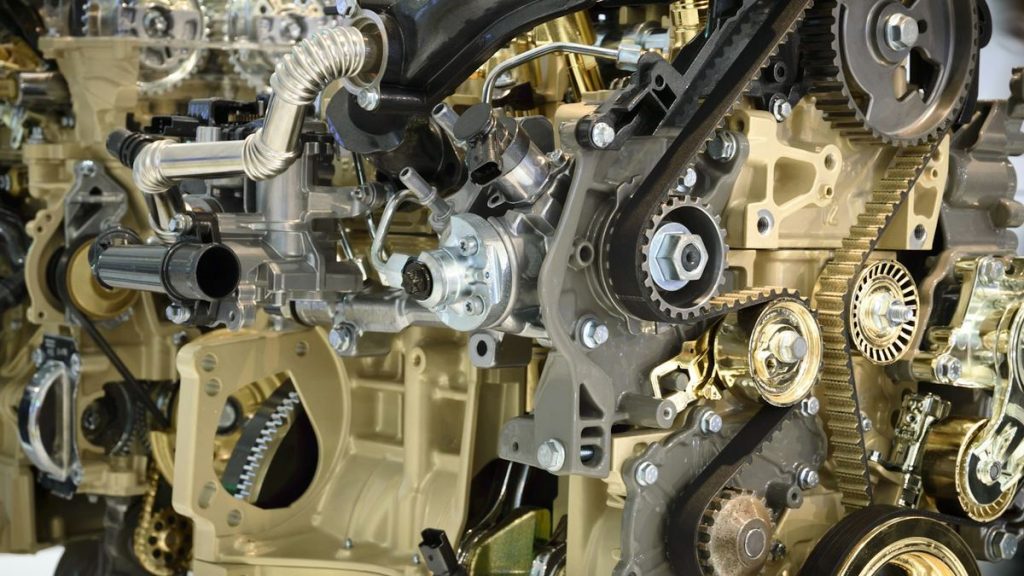
On many Audi engines, water pumps and plastic thermostat housings are known to leak, and a dropping reservoir is often the first sign. Our article on Audi water pump and thermostat housing failure symptoms covers what to look for.
When to See a Mechanic About Coolant
Coolant that needs topping off more than once is a warning. Watch for:
- A level that keeps dropping, a sweet smell or puddles under the front of the car
- The temperature gauge climbing, or a heater that blows cold, which can point to low coolant (see why a car heater blows cold air)
- Sweet-smelling white smoke from the exhaust that doesn’t clear once the engine is warm
- A milky substance under the oil cap together with coolant loss
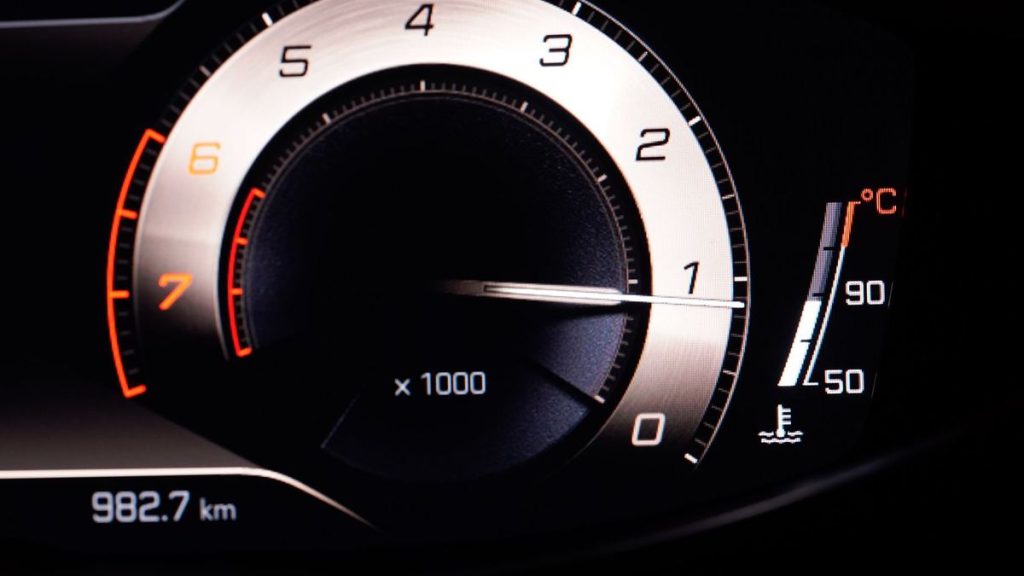
If the pump is the culprit and it is belt driven, our timing belt replacement in Grand Rapids covers the belt, pump and refill together. Coolant changes on your carmaker’s schedule are part of our factory scheduled maintenance service.
More Buying Guides
Frequently Asked Questions
Is Zerex or Prestone the best coolant brand?
Neither wins for every car. Zerex sells make-specific formulas such as G05, Dex-Cool and Asian blue and red, which makes it easy to match a spec. Prestone’s universal coolant is convenient for top-offs. Pick whichever brand lists the specification in your owner’s manual.
Can I mix two coolant brands?
Two brands of the same chemistry and spec can generally be mixed. Different chemistries, such as OAT and HOAT, should not be, because the additive packages weaken each other and can form sludge. If you are not sure what is in the system, a full drain and refill is the safe fix.
Should I buy concentrate or 50/50 premix?
Concentrate is the better value for a full refill, because you can adjust for water left in the engine and mix with distilled water. Premix is simpler and avoids mixing mistakes, so it suits top-offs and owners who prefer not to measure.
What is the difference between G12, G12++, G13 and G12 EVO?
They are Volkswagen Group coolant specifications that evolved over time: G12 (TL 774-D), G12+ (TL 774-F), G12++ (TL 774-G), G13 (TL 774-J) and G12 EVO (TL 774-L). Makers of G12 EVO coolant describe it as compatible with the earlier G12 family, but confirm the spec for your model in the manual.
Losing coolant or running warm in Grand Rapids? Call 456 AutoFix at 616-279-3832, Monday to Friday 8am to 5pm, or book an appointment through our contact page.
Can’t make it during the day? Use our after-hours drop-off. We’re at 456 Carrier St NE in Creston.