As an Amazon Associate, 456 AutoFix earns from qualifying purchases. Product links below go to Amazon, where you can confirm the right part for your vehicle.
Every Grand Rapids winter, salt and brine coat the underside of your car for months. The best undercoating for road salt is the one that matches the condition of your underbody: a fresh, clean frame and a frame that already shows rust need different products.
Below we explain how oil, wax and rubberized coatings differ, what to check before you spray, and six products that suit different jobs. Undercoating is one item on a longer list, so pair it with our winter car maintenance checklist.
Quick answer
Which undercoating holds up against road salt?
For most daily drivers on salted roads, an oil or lanolin spray such as Fluid Film is the safest choice: it creeps into seams, stays soft and is reapplied each fall. Rubberized coatings like 3M or Rust-Oleum suit clean wheel wells and panels, not rusty frames. Add a cavity coating for rockers and frame rails.
Our Quick Picks
Three quick picks: a yearly lanolin spray, a rubberized coating for clean wheel wells and a frame coating for the inside of rails. All six are reviewed below.

Fluid Film Aerosol
A soft, self-healing film that creeps into seams.

3M Rubberized Undercoating
A textured coating for chip-prone areas.

Eastwood Internal Frame Coating
Reaches inside frame rails and bolt holes.
Oil, Wax or Rubber: How Undercoatings Differ
Choosing the best undercoating for road salt starts with knowing the three kinds of product, because each protects metal differently and has its own weak spot.
- Oil and lanolin sprays: thin, wet films that creep into seams and around fasteners. They stay soft, so a stone chip closes back up, but they wash off over time and are usually reapplied every year.
- Wax coatings: thicker films that dry to a soft or firm wax. They last longer between coats and drip less, but most need clean metal with little or no rust underneath.
- Rubberized and asphalt coatings: hard, textured armor that resists stone chips and quiets road noise. If they go on over rust or crack later, salty water can sit behind them where you can’t see it.
That is why many owners in salt country avoid rubberized coatings on frames. A soft film you top up each fall forgives mistakes, while a hard shell over flaking rust hides the damage. Rubberized coatings still suit clean wheel wells and panels where chips are the main threat.
What to Check Before You Spray
Good prep matters more than the brand on the can. Start with a thorough underbody wash, then let the car dry for a day or two so no water is trapped in seams. Coating a wet or salty surface seals the problem in.
Next, look at what is under there. Light surface rust on a frame is common in Michigan, but scaling rust that flakes off in layers, soft spots or holes need attention before any coating goes on. Pay close attention to the steel brake lines along the frame, because rusted brake lines can leak or burst, and no spray repairs a line that is already weak.
- Keep it off: brake rotors, pads and calipers, the exhaust (it gets hot enough to smoke or burn the coating) and oxygen sensors.
- Protect rubber: some oil sprays can swell rubber that isn’t oil resistant, so mask bushings and boots or read the maker’s guidance.
- Check compatibility: an oil spray may soften an existing rubberized or paint-type undercoating.
Best Undercoating for Road Salt: The Picks in Detail
The first three are soft films and waxes, the next two are rubberized coatings, and the last is made for the inside of frame rails. Descriptions use the makers’ own claims, so read each label before you spray.
1. Fluid Film Aerosol 11.75 oz: Lanolin-Based Rust and Corrosion Inhibitor
- Lanolin (wool wax) formula
- Rust and corrosion prevention
- Penetrant and lubricant in one
- 11.75 oz aerosol can
Fluid Film is a lanolin-based corrosion inhibitor made by Eureka Chemical Company, and it is one of the most familiar names among owners who protect their cars from road salt themselves. The listing linked here is the 11.75 oz aerosol, which Amazon describes as a rust and corrosion preventive plus a penetrant and lubricant. The aerosol suits touch-ups and smaller jobs, while larger underbody treatments are usually done with bulk product and an undercoating gun.
Fluid Film’s automotive page says the formula is based on unrefined wool wax and creates a fluid, self-healing barrier that will not chip or crack. Because it stays wet, it creeps into seams and around fasteners, and a stone chip tends to close back over. The maker also states it stops existing rust on contact, so it is a reasonable choice for an older car with some surface rust.
The trade-offs are upkeep and mess. A wet film slowly washes off, so most owners reapply it each fall, and it can drip for a few days after spraying. The maker cautions that it may swell rubber that is not oil resistant and may soften some existing undercoatings, so mask bushings and check what is already on the car.
View Fluid Film Aerosol on Amazon
2. woolwax Creep N’ Crawl 1 Gallon: Cavity and Undercarriage Wax for Newer Vehicles

- For newer vehicles with little or no rust
- Cures to a soft wax in about 7 days
- No solvents, water or fillers
- Sprays through an undercoating gun
Creep N’ Crawl is a cavity and undercarriage wax from woolwax, sold here in a 1 gallon container for spraying with an undercoating gun and extension wands. Where an oil spray stays wet, this formula is designed to cure. The listing says it is dry to the touch in about 72 hours and cures to a soft wax after about 168 hours, or seven days, when applied at the recommended thickness.
The maker is clear about where it fits. The listing says the formula is meant for newer vehicles with little to no surface rust, and it warns not to apply it over surface rust. It also says not to go thicker than 2 to 3 mils and includes a wet film gauge, because a heavy coat can take four to six weeks to cure fully. It is described as a light amber color with no solvents, water or fillers.
In practice, it suits an owner who has a newer car with clean metal and wants a coating that drips less and lasts longer than a yearly oil spray. It does not suit an older car with rust already on the frame, and it needs spray equipment rather than a simple aerosol can.
View woolwax Creep N' Crawl on Amazon
3. CRC 06026 Heavy Duty Corrosion Inhibitor: 10 oz Flexible Coating for Salt Spray

- Flexible protective coating
- Rated for salt spray and humidity
- Indoor and outdoor use
- 10 oz aerosol can
CRC Heavy Duty Corrosion Inhibitor, part 06026, is a 10 oz aerosol from a company known for its maintenance chemicals. The listing describes it as a flexible corrosion inhibitor that protects and preserves metal surfaces, electrical connections and engine components that are subjected to salt spray and high humidity. CRC sells it for marine and heavy-duty vehicle use as well as cars.
It is not a full underbody treatment. The listing names its uses as fasteners, motors, shafts, steering and throttle linkages, electrical connections and equipment in storage. That makes it handy for the small parts that salt tends to seize: bolts on brackets and hitches, battery hold-downs, hood and trunk latch hardware, and exposed metal under the hood. CRC notes that electrical connections must be made before you coat them.
Because it comes in a smaller can, it pairs well with a main undercoating rather than replacing one. Use it to add a durable layer on the fasteners and hardware you will want to remove later, and keep it away from brake parts and hot exhaust components. The listing says it gives extended protection indoors or outdoors and is flammable, so spray it in a ventilated area away from flames.
View CRC Heavy Duty Corrosion Inhibitor on Amazon
4. 3M Professional Grade Rubberized Undercoating 03584: Asphalt-Based Sound Deadening Spray
- Asphalt-based rubberized coating
- Protects against rust and abrasion
- Helps reduce road noise
- 16 oz aerosol can
The 3M Professional Grade Rubberized Undercoating, part 03584, is a 16 oz aerosol for cars, trucks and recreational vehicles. The listing describes it as asphalt based and says it protects the undercarriage from rust and abrasion. It sprays on as a textured coat that also has sound deadening properties, which helps reduce road noise coming through the wheel wells and floor.
3M suggests it for wheel wells, quarter panels, inner fenders and under the hood. Those are the places where gravel, sand and slush blast the metal hardest, so a thick, chip-resistant coat makes sense there. The aerosol can is easy to use for these areas without spray equipment, and it is a common choice after replacing a fender liner or repairing a panel.
The catch is the one shared by every hard coating. It should go on clean, dry, rust-free metal, because if it covers rust or cracks later, salty water can sit behind it out of sight. For that reason it suits a newer car or freshly prepared panels better than a frame that already shows rust. Inspect it each spring, and treat a frame or older underbody with a soft film instead.
View 3M Rubberized Undercoating on Amazon
5. Rust-Oleum Rubberized Black Undercoating: Fast-Dry Spray for Bare or Primed Metal

- For bare or primed metal
- Dry to the touch in 30 minutes
- Covers 10-12 sq ft per can
- Any-angle spray tip
Rust-Oleum’s Rubberized Black Undercoating is a spray can coating for the underbodies of cars, trucks, trailers and RVs. The listing says it is made for bare or primed metal and that its rubberized formula protects against corrosion and damage from water, salt and other chemicals. Like other rubberized products, it also helps deaden sound from the road.
Two practical details stand out. Rust-Oleum says it dries to the touch in 30 minutes and covers about 10 to 12 square feet per can, which helps you estimate how many cans a job needs. It has a wide comfort spray tip with any-angle spray technology, so it keeps spraying when the can is upside down, which is useful when you are working under a car. The listing also describes it as paintable.
It suits small, well-prepared areas: a replaced panel, a cleaned-up spot on a wheel arch, or the underside of a trailer. Since it goes on bare or primed metal, any rust should be removed or treated first, or the coating can hold moisture against it. On a car with rust on the frame or seams, a soft oil or lanolin film is the more forgiving choice for the underbody as a whole.
View Rust-Oleum Rubberized Undercoating on Amazon
6. Eastwood Internal Frame Coating 14 oz: Aerosol with Extension Tube for Frame Rails
- Rust prevention inside frame rails
- Extension tube for frame openings
- 14 oz aerosol can
- 90-day limited warranty
Eastwood Internal Frame Coating is a 14 oz aerosol made for the inside of boxed frame rails and other hollow sections, the places an ordinary undercoating can’t reach. Salt water gets into these spaces through drain and bolt holes and can rust them from the inside out, which is why cavity protection matters on cars driven through Michigan winters.
The can comes with an extension tube. Eastwood’s directions are to shake it for at least a minute, put the tube into frame openings or bolt holes, and spray while pulling the tube back out so the coating lines the inside of the rail. The listing describes the formula as both a rust prevention and rust destroyer, and says it helps keep a clean finish inside the frame. It carries a 90-day limited warranty.
It suits frames, rocker panels and other boxed sections, and it pairs well with an oil or wax film on the outside of the underbody. Eastwood advises wearing eye, skin and respiratory protection and working in a well ventilated area away from open flame. Before you spray inside a rusty frame, have it checked, because a coating will not restore metal that is already thin.
View Eastwood Internal Frame Coating on Amazon
Which Undercoating Type Fits Your Car?
No single best undercoating for road salt suits every car. The right pick depends on how much rust is already there and how much yearly upkeep you will do.
| Type | Suits | Upkeep | Watch out for |
|---|---|---|---|
| Oil or lanolin spray | Daily drivers, older cars with some surface rust | Reapply every fall | Drips for a few days; keep it off brakes and some rubber |
| Wax undercoating | Newer cars with clean, rust-free metal | Longer between coats | Not for use over surface rust; apply at the stated thickness |
| Rubberized or asphalt | Clean wheel wells, inner fenders, panels | Inspect for cracks each spring | Can trap salt and water if it cracks or covers rust |
| Cavity or frame coating | Rocker panels, doors, inside frame rails | Recoat when you treat the underbody | Needs an extension wand to reach inside |
Many owners combine two types: a cavity coating inside the rockers and frame rails, then an oil or wax film over the rest. Choosing between two lanolin sprays? A head-to-head comparison of drip, smell and lifespan helps, but either beats bare metal.
When and How to Apply in West Michigan
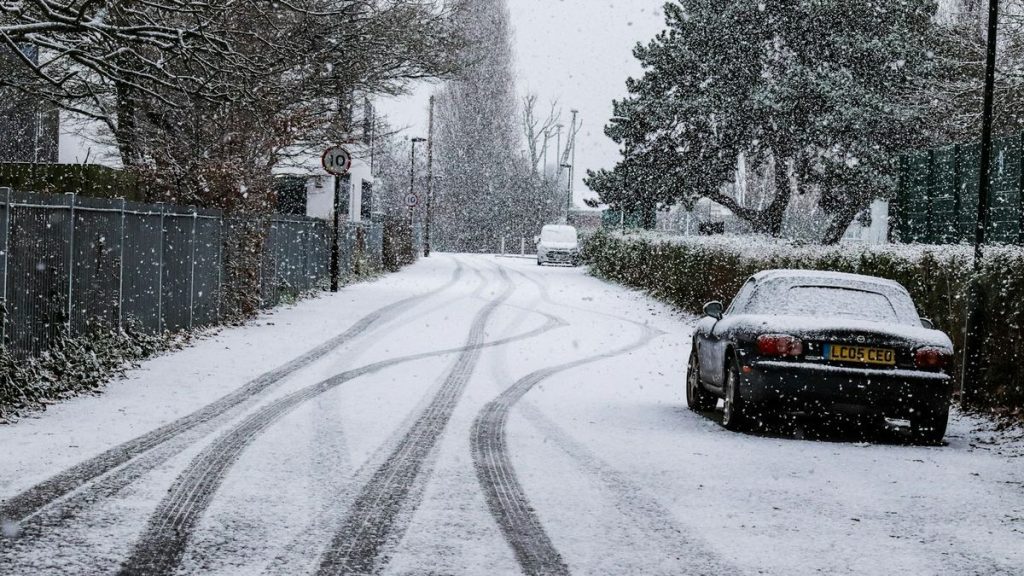
Timing is simple: treat the car when it is clean and dry, before the first brine trucks go out. In West Michigan that usually means a dry fall day in October or early November.
- Wash and dry: rinse the wheel wells and frame rails, then allow at least a day to dry.
- Mask: cover brakes, the exhaust and any rubber you are unsure about.
- Cavities first: use an extension wand in the rockers, doors and frame rails.
- Coat the underbody: thin, even coats, following the label’s dry times.
- Check it in spring: wash off the salt and look for bare or cracked spots.
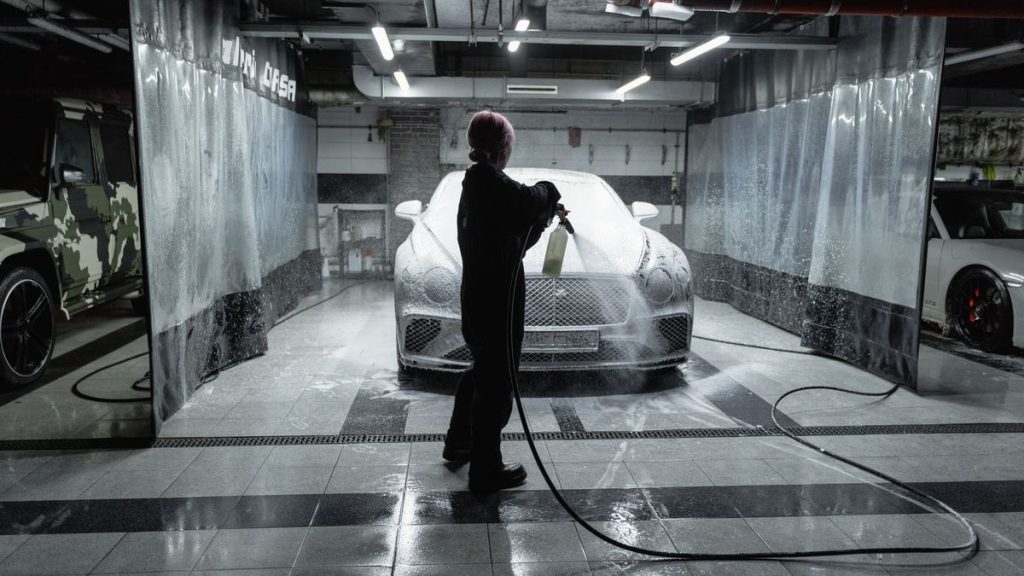
Even the best undercoating for road salt works better with regular underbody washes and mats that keep slush off the floor pans. Our guide to the best winter car accessories covers the rest of the cold-weather kit.
When to See a Mechanic First
A coating slows new rust, but it can’t fix parts that are already worn through. Before you coat an older car, have the underside looked at if you see heavy scale on the frame, wet or crusty brake lines, or a rusted exhaust that rattles or hangs low.
Our brake repair in Grand Rapids covers corroded lines and hardware, and our exhaust repair service handles rusted pipes, hangers and mufflers. Buying a used car that spent years on salted roads? A pre-purchase inspection in Grand Rapids shows how much rust you are taking on.
More Buying Guides
Frequently Asked Questions
Is oil or rubberized undercoating better for road salt?
For most cars driven through a Michigan winter, an oil or lanolin spray is the safer choice. It stays soft, seals chips on its own and doesn’t hide rust. Rubberized coatings suit clean wheel wells and panels, but they can trap salt if they crack or go on over rust.
How often should I reapply an oil undercoating?
Most owners reapply an oil or lanolin spray once a year, in the fall before salt season. Areas hit hard by spray from the tires, such as wheel wells, may need a touch-up sooner.
Can I spray undercoating over rust?
Oil sprays are designed to go over light surface rust and soak into it. Wax and rubberized coatings generally need clean metal, and the woolwax Creep N’ Crawl listing says not to apply it over surface rust. Flaking or scaling rust should be inspected and dealt with first.
Should undercoating go on brake lines?
A light oil film on steel brake lines is common, but keep every coating off rotors, pads and calipers. If the lines already show heavy rust, have them checked before coating, because a spray won’t strengthen a weakened line.
Worried about rust on your brake lines or exhaust in Grand Rapids? Call 456 AutoFix at 616-279-3832, Monday to Friday 8am to 5pm, or book a brake or exhaust check through our contact page.
Can’t make it during the day? Use our after-hours drop-off. We’re at 456 Carrier St NE in Creston.