
As an Amazon Associate, 456 AutoFix earns from qualifying purchases. Product links below go to Amazon, where you can confirm the right part for your vehicle.
A rough idle, a stumble when you pull away or a slow drop in fuel economy sends a lot of drivers to the additive aisle. The best fuel system cleaner for that job is a concentrated detergent poured into a nearly empty tank, not a magic fix, and knowing which kind you are buying matters more than the brand on the bottle.
Below we explain what separates a strong cleaner from a light maintenance dose, what no bottle can reach, and then review six cleaners. If your car already hesitates under throttle, read our guide on why a car hesitates when accelerating first, since deposits are only one possible cause.
Quick answer
Which fuel system cleaner should you buy?
For a once-in-a-while deep clean of injectors and combustion chambers, pick a concentrated detergent cleaner such as Chevron Techron Concentrate Plus, Red Line SI-1 or Gumout Regane Complete PEA. Sea Foam suits stored fuel and small engines. No tank additive cleans the intake valves on a direct-injection engine.
Our Quick Picks
Three cleaners that cover the main jobs: a one-tank deep clean, a PEA formula for modern engines, and a multi-use treatment for stored fuel.

Chevron Techron Concentrate Plus
A widely stocked concentrated cleaner for a single treatment.

Gumout Regane Complete PEA
A PEA cleaner that names its detergents on the label.

Sea Foam Motor Treatment
A fuel cleaner, stabilizer and oil treatment in one can.
Strong Detergent or Light Maintenance Dose?
Most cleaners on the shelf fall into two groups. The first is a concentrated detergent made to strip existing deposits from injector tips, valves and combustion chambers in one tank. Several makers name the chemistry on the label: Gumout, for example, says its Regane Complete PEA formula uses PEA (polyetheramine) alongside a second detergent called PIBA.
The second group is lighter, multi-use treatments that also stabilize fuel and lubricate the upper cylinders. They suit regular use, stored vehicles and lawn equipment, but they are a gentler tool for a car that already runs rough. Makers rarely publish their exact detergent strength, so read the label for a treat rate and a clear statement of what the product cleans.
- Treat rate: how many gallons one bottle covers. A deep clean usually means one bottle in a near-empty tank.
- Engine type: check that the label covers gasoline direct injection (GDI), turbo engines or diesel if that is what you drive.
- Sensor safety: most cleaners state they are safe for oxygen sensors and catalytic converters. If a bottle says nothing, pick another.
Good fuel does a lot of this work for you. The TOP TIER fuel standard, sponsored by automakers including BMW, General Motors, Ford, Honda, Toyota, Volkswagen, Mercedes-Benz and Audi, sets a higher detergent level for gasoline so deposits are kept down tank after tank.
What a Bottle in the Tank Can’t Reach
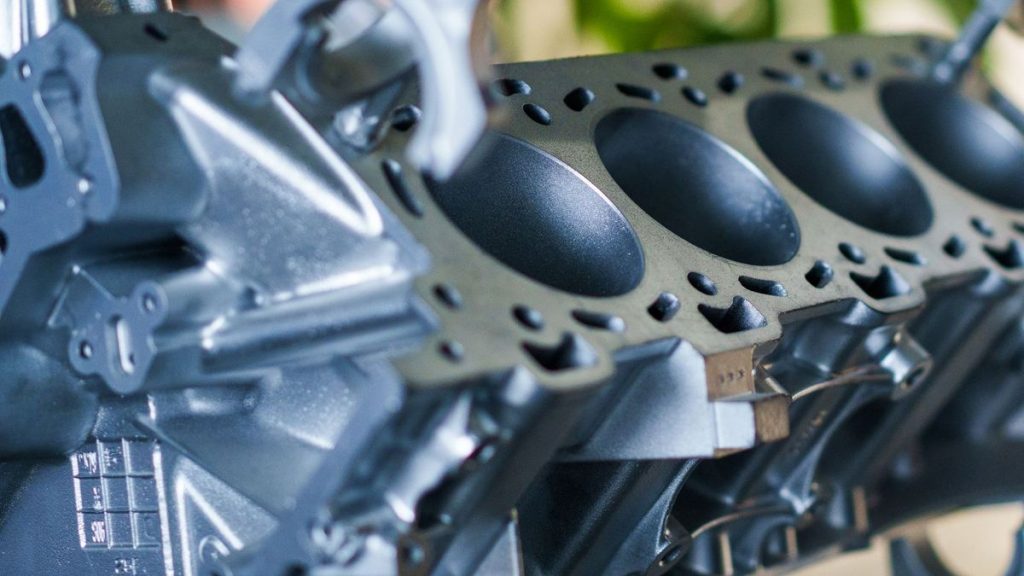
A fuel additive only cleans the parts that fuel touches. On an older port-injected engine, fuel sprays onto the back of the intake valves, so a detergent can help keep those valves clean. On a direct-injection engine, the injector sprays straight into the cylinder and the intake valves never get washed with fuel at all.
That is why carbon on DI intake valves keeps building no matter which bottle you use. Clearing it takes a shop job, usually walnut-shell blasting with the intake manifold off. Our article on carbon buildup symptoms on direct-injection engines covers the warning signs.
Best Fuel System Cleaner Options, Bottle by Bottle
Each description below sticks to what the maker or the Amazon listing states. Follow the label for dose and frequency, and pour the cleaner in before you fill up so it mixes with the fresh fuel.
1. Chevron Techron Concentrate Plus: 20 oz Complete Fuel System Cleaner
- 20 oz single bottle
- Targets rough idle, surge and hesitation
- Aimed at spark plug fouling
- Fuel stability for up to one year
Techron Concentrate Plus is Chevron’s bottled version of the detergent chemistry it is known for, sold here as a single 20 oz bottle. It is meant to be poured into the tank as a concentrated, one-time treatment rather than a small dose with every fill-up, which makes it a common first step when an engine starts to feel less crisp than it used to.
The listing lists the symptoms it addresses: rough idle, engine surge, hesitation and spark plug fouling. It also says the formula improves cold start performance and keeps fuel stable for up to one year, so it can double as a treatment for a car that will sit for a while. Add the bottle to a low tank, fill up with gasoline and drive normally so the treated fuel works through the injectors and combustion chambers.
The practical appeal is how easy it is to find and how simple the dose is. It suits a gasoline daily driver with mild drivability complaints and no warning lights. It is not a diesel product, and like any tank additive it will not reach the intake valves on a direct-injection engine. If the stumble is still there after a full tank, look for another cause before you buy a second bottle.
View Chevron Techron Concentrate Plus on Amazon
2. Gumout Regane Complete PEA: 12 oz Fuel System Cleaner with CarbonClear
- PEA combined with PIBA and a third detergent
- Listed for GDI, turbo and port injection
- Conditions fuel against ethanol corrosion
- One 12 oz bottle treats up to 21 gallons
Gumout’s Regane Complete PEA is the PEA version of the brand’s Regane Complete line, sold as a 12 oz bottle. Gumout calls the formula CarbonClear Technology and says it combines PEA with PIBA and a patented third detergent, and that this blend removes more built-up carbon than PEA-only cleaners. It is one of the few labels that tells you plainly what kind of detergent is inside.
The listing names gasoline direct injection, turbocharged, supercharged and port injection engines, and says the cleaner is oxygen sensor safe and won’t void an OEM warranty. It also conditions the fuel in the tank to resist ethanol and water corrosion. The instructions are simple: add the whole bottle to a nearly empty tank, fill with up to 21 gallons of gasoline and avoid refilling until the tank is near empty again.
Gumout suggests a bottle every 3,000 miles, which suits drivers who prefer a routine over waiting for symptoms. Because the bottle treats a full tank on most cars and trucks, it is easy to fit into an oil change schedule. It is a gasoline product only, and while it cleans the injectors on a GDI engine, it can’t wash carbon off that engine’s intake valves.
View Gumout Regane Complete PEA on Amazon
3. Sea Foam Motor Treatment: 16 oz Fuel and Oil Additive, 4 Pack
- Cleans injectors, carburetors and chamber areas
- Works in gasoline, diesel and ethanol blends
- Stabilizes stored fuel for up to 2 years
- Can also be added to engine oil
Sea Foam Motor Treatment is a long-running multi-use additive, sold here as four 16 oz cans. Unlike a single-purpose detergent cleaner, it is meant to go in the fuel tank, in the crankcase oil or both, and Sea Foam markets it for everything from cars and trucks to motorcycles, boats, ATVs, lawn mowers and snowblowers.
In fuel, the listing says it cleans fuel injectors, carburetor restrictions and chamber areas to help smooth a rough idle and recover lost mileage, with a suggested dose every 3,000 miles. It is listed for gasoline, diesel, diesel blends and ethanol blends including E10 and E85. As a stabilizer, Sea Foam says it helps keep gas or diesel fresh for up to 2 years, and in oil it is meant to loosen sludge and deposits in the crankcase.
That range of uses is the reason to buy it. A four-pack covers a summer car going into storage, the boat and the mower, with cans left over for the first tank in spring. It is a gentler, general-purpose treatment rather than a concentrated one-tank deep clean, so a car with noticeable injector deposits may respond better to a dedicated detergent cleaner.
View Sea Foam Motor Treatment on Amazon
4. Red Line SI-1: 15 oz Complete Fuel System Cleaner for Injectors and Valves

- High-temp and low-temp detergent blend
- Cleans injectors, valves and chambers
- Helps prevent fuel system corrosion
- One bottle per tank for a full treatment
Red Line, better known for synthetic oils and gear fluids, sells SI-1 as its complete fuel system cleaner in a 15 oz bottle. Red Line describes it as a concentrated blend of high-temperature and low-temperature detergents, designed both to remove deposits and to protect the fuel system against corrosion.
According to the listing, SI-1 cleans fuel injectors, carburetors, intake valves and combustion chamber deposits, while also improving gasoline stability and limiting gum and varnish. Red Line’s instructions call for one bottle per tank for the most effective treatment. That makes it a deliberate cleaning step rather than something to add at every stop, and it fits neatly before a long highway drive that keeps the engine at temperature.
The corrosion protection makes SI-1 a reasonable choice for a car that sits between drives, such as a weekend car or an older vehicle with a carburetor. On a port-injected engine the valve cleaning claim applies because fuel actually passes over the valves. On a direct-injection engine the injector and chamber cleaning still applies, but the intake valves are out of reach for this or any tank additive. Use it in gasoline engines.

5. BG 44K: 11 oz Fuel System Cleaner for Injectors and Valves, 4 Pack

- Four 11 oz cans
- Cleans injectors, valves and combustion chambers
- One can treats up to 20 gallons
- Gasoline engines only
BG 44K comes from BG Products, a company that sells mainly through repair shops, which is why many drivers first hear of it on a service invoice. This listing is a pack of four 11 oz cans, so you get several treatments at once instead of a single bottle.
The listing says 44K rapidly cleans fuel injectors, valves and combustion chambers, and that one can treats up to 20 gallons of gasoline. That covers a full tank on most cars and many smaller SUVs. BG describes it as the choice of automotive professionals for over 40 years. Pour a can into a low tank, fill up and drive the tank down before the next fill so the concentrated dose has time to work.
A four-pack suits a household with more than one gasoline car, or an owner who wants to treat a vehicle a few times a year without shopping for a new bottle each time. The listing is clear that it is for gasoline engines only, so keep it out of diesel trucks. As with the other detergent cleaners here, it can’t clean the intake valves on a direct-injection engine, so carbon there remains a shop job.
View BG 44K Fuel System Cleaner on Amazon
6. Lucas Oil 10003 Fuel Treatment: 1 qt Cleaner and Lubricant for Gas and Diesel

- 1 quart bottle
- Treats gasoline and diesel fuel
- Cleans and lubricates injectors and pumps
- Neutralizes sulfur and fights corrosion
Lucas Fuel Treatment takes a different approach from a pure detergent cleaner. Lucas sells it as a cleaner and lubricant in one, and this 1 quart bottle is meant to be added to the fuel over many fill-ups. It works in both gasoline and diesel, which makes it one of the few products here that suits a diesel pickup.
The listing says it cleans and lubricates the whole fuel system, including fuel injectors, the carburetor and the combustion chamber. Lucas adds that it neutralizes sulfur and other contaminants, helps prevent rust and corrosion and is meant to extend the life of fuel pumps and injectors. It also states that it complies with federal low sulfur requirements for diesel engines and can stand in for lead in older engines that were built for leaded fuel.
The lubricity angle is the main reason to choose it. Owners of diesel trucks and older gasoline engines often use a lubricating treatment as a routine, adding a measured amount with each tank. It is less suited to a driver who wants one strong treatment for injector deposits, where a concentrated detergent like the ones above is the more direct tool. Check the bottle for the dose that matches your tank size.
View Lucas Fuel Treatment on Amazon
Matching the Best Fuel System Cleaner to the Job
Use the table as a shortlist, then read the back label for your engine and fuel type.
| Cleaner | Size | Fuel | Good fit for |
|---|---|---|---|
| Chevron Techron Concentrate Plus | 20 oz bottle | Gasoline | One-tank clean for rough idle and hesitation |
| Gumout Regane Complete PEA | 12 oz bottle | Gasoline | GDI, turbo and port injection, every 3,000 miles |
| Red Line SI-1 | 15 oz bottle | Gasoline | Injector, valve and chamber deposits |
| BG 44K | 11 oz cans, 4 pack | Gasoline only | A periodic deep clean, up to 20 gallons per can |
| Sea Foam Motor Treatment | 16 oz cans, 4 pack | Gas and diesel | Stored fuel, small engines, regular use |
| Lucas Fuel Treatment | 1 quart | Gas and diesel | Ongoing fuel lubrication and cleaning |
West Michigan adds its own twist. Cars that do short winter trips across town rarely get fully warm, and summer cars, boats and mowers sit for months while their fuel goes stale. A stabilizing treatment before storage and a stronger cleaner on the first tank in spring is a sensible routine for those vehicles.
For a daily driver that sees mostly highway miles on quality gasoline, even the best fuel system cleaner is an occasional purchase. Using a cleaner every fill-up rarely adds anything when the fuel already carries a strong detergent package, so save the bottle for when the label’s interval comes due.
When the Problem Isn’t Deposits
The best fuel system cleaner is worth a try when an engine feels slightly lazy and nothing is flashing on the dash. If a tank or two of treated fuel changes nothing, the cause is usually elsewhere: worn spark plugs, a weak coil, a vacuum leak, a dirty air flow sensor or a clogged fuel filter. A flashing check engine light means an active misfire, so stop adding bottles and have the car scanned.
Rough running can also come from mechanical wear that no additive touches. A stretched timing chain or a belt that has jumped a tooth throws off valve timing and feels a lot like a dirty engine. If your car is near its belt interval, our timing belt replacement service in Grand Rapids can inspect it, and our roundup of timing belt kit brands and what each kit includes shows the parts involved.

For a warning light that came on after a tank of cleaner, or one that was already there, our check engine light diagnostic service reads the codes and tests the parts behind them.
More Buying Guides
Frequently Asked Questions
How often should I use a fuel system cleaner?
Follow the label on the bottle you buy. Gumout’s Regane Complete PEA listing suggests a bottle every 3,000 miles, and Sea Foam gives the same interval for its motor treatment. Many drivers on quality gasoline use a strong cleaner far less often.
Will a fuel system cleaner clean the intake valves on a GDI engine?
No. On a direct-injection engine the fuel goes straight into the cylinder, so it never reaches the intake valves. Carbon on those valves needs a shop cleaning such as walnut blasting.
Is Sea Foam the same as a PEA cleaner like Techron?
Not quite. Sea Foam is a multi-use motor treatment that cleans, stabilizes fuel and can go in the oil, while Techron Concentrate Plus and Red Line SI-1 are concentrated detergent cleaners aimed at deposits in one tank.
Can a fuel system cleaner fix a misfire?
Only when dirty injectors are the cause. Misfires more often come from plugs, coils or vacuum leaks, and a flashing check engine light means you should have the car scanned before adding anything to the tank.
Tried a bottle and the stumble is still there? Call 456 AutoFix at 616-279-3832, Monday to Friday 8am to 5pm, or ask for a drivability check through our contact page.
Working until five? Drop the keys off after hours at our shop on Carrier St NE in Creston, number 456, and we’ll take it from there.