456 Carrier St NE, Grand Rapids, MI 49505 Mon to Fri, 8:00am to 5:00pm. After-hours drop-off available 456autofix@gmail.com

Category: Engine, Electrical & Climate

  • Broken Exhaust Hanger: Why Your Exhaust Is Sagging, Rattling or Dragging

    Broken Exhaust Hanger: Why Your Exhaust Is Sagging, Rattling or Dragging

    A broken exhaust hanger is one of the most common reasons an exhaust starts to sag, rattle or bang under the car. These small parts carry the whole pipe, muffler and tailpipe.

    When one lets go, the others take extra weight. Here is why they fail in West Michigan and how urgent each sign is.

    Quick answer

    What happens when an exhaust hanger breaks?

    The exhaust loses support, so it sags, clunks or bangs against the underside over bumps, and may scrape the road. The extra stress can crack pipes and joints and cause leaks. A sagging pipe should be checked soon, and a dragging pipe means you should stop driving and get it secured right away.

    Classic car's rear bumper and tailpipe

    What Exhaust Hangers and Rubber Isolators Do

    Your exhaust is bolted solidly only at the engine. The rest hangs from steel rods welded to the pipe, which push into rubber isolators bolted to the body.

    The rubber matters as much as the steel. It lets the pipe grow and shrink as it heats up and cools down, and it keeps engine vibration from buzzing through the floor. It also keeps the pipe clear of the fuel tank and suspension.

    Why Exhaust Hangers Break

    Rubber That Ages, Cooks and Freezes

    Years of heat from the pipe bake the rubber until it loses its stretch, cracks and tears through. Cold makes it worse: hard winter rubber can’t flex, so a jolt can split it.

    Flexible chrome exhaust pipes

    Rusted Rods and Brackets

    In a salt-belt winter, the steel side fails too. Brine sprays the underside for months, and the thin hanger rods and the brackets they bolt to rust until they snap off.

    Rust on the pipe itself can also overload good hangers. A heavy, corroded muffler or a pipe out of line pulls harder on its supports, so new hangers can break again if the cause isn’t fixed.

    Potholes, Snow Ruts and Snowbanks

    Freeze-thaw potholes, frozen ruts and plowed ridges hit the lowest point of the car, often the exhaust. One hard strike can tear an aged isolator. If the trouble started after a big hit, look over our guide to pothole damage signs to check after a hard hit as well.

    Two rusted pipes sticking out of rock

    Signs of a Broken Exhaust Hanger

    • Sagging pipe or tailpipe: the muffler or tailpipe sits lower than before or hangs crooked.
    • Clunk or thunk over bumps: a dull knock as the pipe swings into the body.
    • Banging or rattling: the pipe taps the floor or a crossmember, often worst at idle.
    • Dragging or scraping: a grinding sound on driveways, speed bumps or snowbanks.

    A hanger clunk is easy to mistake for a worn suspension part. If the knock follows the wheels rather than the exhaust, our post on a clunking noise over bumps and its suspension causes covers the other suspects. A loose heat shield usually makes a lighter, tinny buzz instead of a heavy thunk.

    Road crossing a frozen lake from above

    Why You Shouldn’t Ignore a Sagging Exhaust

    An unsupported pipe twists at every bump, working on the clamps, flex joint and gaskets. Walker Exhaust’s guide to the symptoms of an exhaust leak notes that when a hanger falls off or its rubber isolator wears out, other parts take more vibration and can weaken or break.

    Our guide to exhaust leak symptoms and the carbon monoxide risk explains what to watch for. If the muffler itself has rusted through, read about driving with a hole in your muffler.

    A pipe that drags is the most serious case. It can catch on a pothole edge or ice ridge and tear the system apart, throw sparks on the pavement, or get pushed up against a fuel or brake line.

    Classic car on a lift in a repair shop

    Broken Exhaust Hanger Signs Compared

    Use this table to judge how soon to act. Only a look under the raised car confirms which hanger or bracket has failed.

    SignLikely causeHow urgent
    Pipe dragging, scraping or hanging near the roadTwo or more hangers gone, or a snapped rod or bracketHigh Stop driving on it and get it secured right away
    Sag plus hissing, ticking or exhaust smellHanger failure that has cracked a pipe or jointHigh Book an inspection right away
    Tailpipe sitting low or crookedOne torn isolator or a rusted-off rodSoon Get it checked within days
    Clunk or bang under the car over bumpsStretched or broken isolator letting the pipe swingSoon Get it checked within days
    Floor buzz, pipe still at normal heightHardened or cracked rubber isolatorsModerate Plan a repair in the next few weeks
    Cracks in the rubber, no noise yetAging isolators found during a service visitLow Replace at your next service visit
    Broken exhaust hanger warning signs compared by likely cause and urgency

    A Quick Check You Can Do Safely

    Wait until the engine has been off for a few hours, because exhaust parts stay hot long after you park. Then try these steps on level ground:

    1. Look from behind: the tailpipe should sit level and centered.
    2. Gently move the cold tailpipe up, down and sideways. It should give a little and spring back, not swing or knock.
    3. Listen for metal hitting metal, and look for shiny rub marks on the pipe or the body above it.
    4. Use a flashlight to look for torn rubber, empty rods or a hanger dangling loose.

    Never crawl under a car held up only by a jack. Leave the rest to a shop with a lift.

    Temporary Fixes vs a Proper Repair

    If the pipe is hanging low and you need to move the car, a short length of bare steel mechanic’s wire tied to a solid point can hold it up for a careful drive to a shop. MotorWeek’s Goss’ Garage, in its list of DIY repair mistakes to avoid, warns that coated wire, tie wraps, cords and tape can catch fire, and that wire is only meant to get you to the shop.

    • No zip ties, tape, bungee cords or coated wire anywhere near the pipe.
    • No wire on the hot front section near the engine or catalytic converter.
    • Keep wire clear of fuel lines, brake lines and moving parts.
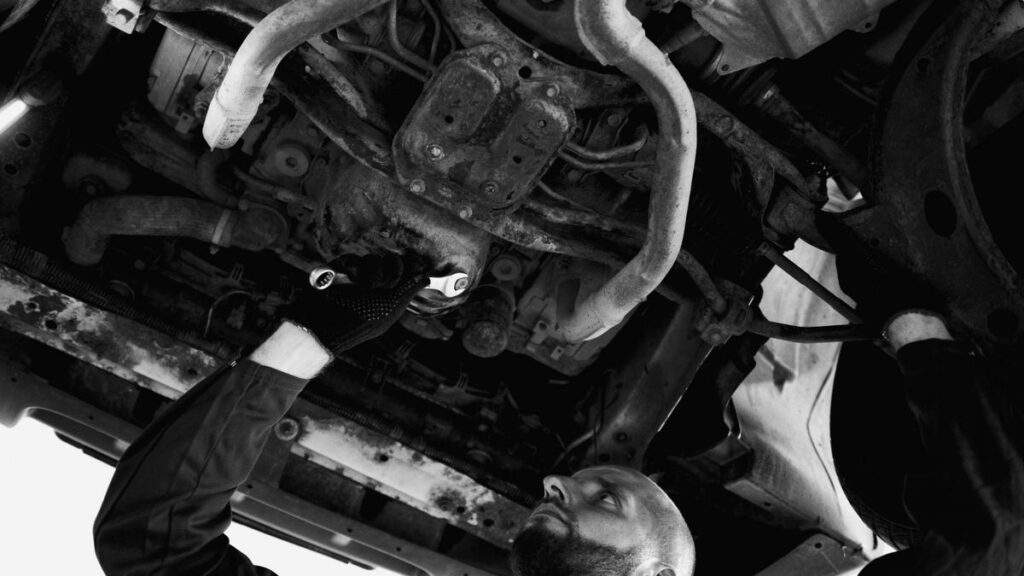
    Mechanic inspecting the exhaust under a car

    Wire has no give and can saw through a pipe. A proper repair replaces the torn isolators, any rusted rods or brackets, and checks that the pipe sits in its natural position without strain.

    When to Have a Mechanic Look at It

    Have the car checked as soon as you notice a sag, a new clunk or a scrape. Catching a broken exhaust hanger early often means replacing the hanger alone, before a joint cracks. If the pipe is already dragging, don’t keep driving on it; call us.

    Our exhaust and muffler repair in Grand Rapids covers hangers, isolators, pipes and leaks on foreign and domestic vehicles. We find out why the hanger failed and fix the cause.

    Frequently Asked Questions

    Can I drive with a broken exhaust hanger?

    For a short time, if only one hanger is broken and the pipe still sits clear of the road. The other hangers carry extra weight, so get it checked within days. If the pipe drags or scrapes, stop driving on it and have it secured.

    Can a broken exhaust hanger cause a clunk over bumps?

    Yes. Without support, the pipe swings into the floor, a crossmember or a heat shield over bumps and makes a dull clunk. It often sounds like a suspension problem, so a quick shake of the cold tailpipe helps tell them apart.

    Can I use zip ties or a coat hanger to hold up my exhaust?

    Never zip ties, tape or coated wire, because they melt or can catch fire. Bare steel wire can hold the pipe up long enough to drive carefully to a shop, but it is not a repair.

    Can a broken hanger cause an exhaust leak?

    It can. A sagging pipe flexes and twists at every bump, which strains the joints, clamps and gaskets until something cracks. Fixing the hanger early helps prevent that leak.

    Need exhaust repair in Grand Rapids? Call 456 AutoFix at 616-279-3832, Monday to Friday 8am to 5pm, or book through our contact page.

    Can’t make it during the day? Use our after-hours drop-off. We’re at 456 Carrier St NE in Creston.

  • Rattling Noise When Starting Your Car: Heat Shield or Timing Chain?

    Rattling Noise When Starting Your Car: Heat Shield or Timing Chain?

    A rattling noise when starting car and truck engines can be anything from a loose piece of sheet metal to an early warning from the timing chain. The good news is that the two usually sound different, come from different places and last for different lengths of time.

    Here is how to sort them out by ear and which one to get checked soon.

    Quick answer

    What causes a rattling noise when starting a car?

    A metallic rattle from the front of the engine for one to three seconds after a cold start usually points to a timing chain tensioner waiting for oil pressure. A tinny rattle underneath is often a loose heat shield. Other causes include catalytic converter internals, the starter, low oil and, on some engines, a cam phaser.

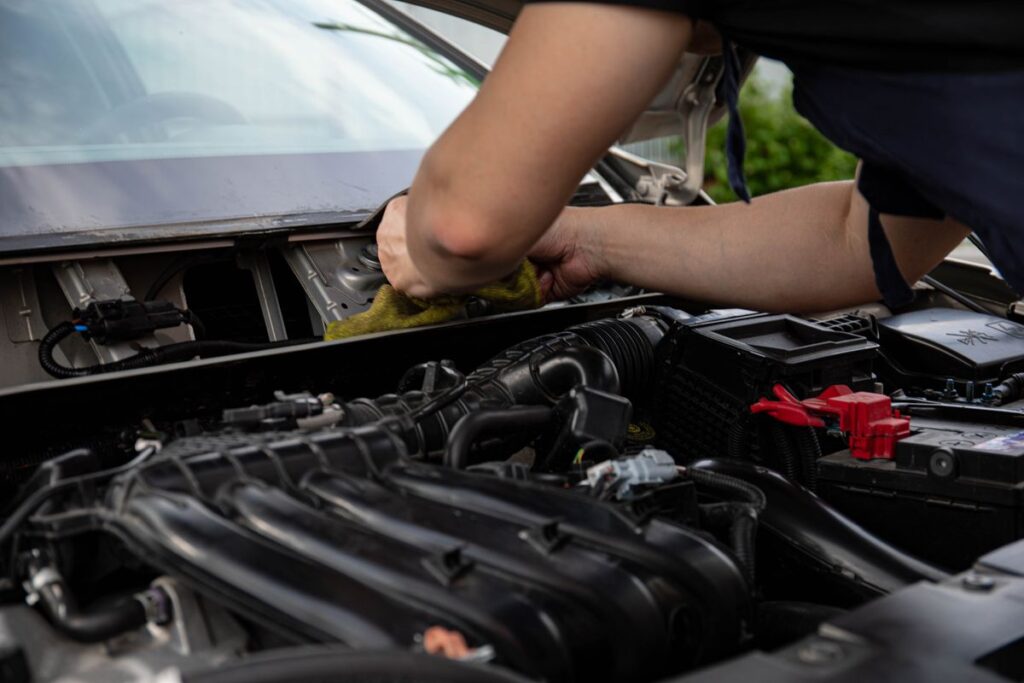
    Mechanic leaning into an open engine bay

    Start With Two Clues: Where and How Long

    Before guessing at parts, note two things. Where does the sound come from: the front of the engine, underneath the car or the exhaust? And how long does it last: a second or two, until the engine warms up, or the whole time it idles?

    Also note whether it happens only after the car sits overnight. Those answers narrow the list fast.

    Common Causes of a Rattling Noise When Starting Car Engines

    1. A Brief Rattle From the Front of the Engine: Timing Chain Tensioner

    Many engines use a chain to keep the camshafts in step with the crankshaft, held tight by a tensioner that relies on oil pressure. Overnight, some oil drains out of the tensioner, so for the first moments after a cold start the chain has slack and slaps against its plastic guides.

    The result is a harsh, metallic rattle from the front or side of the engine that stops within one to three seconds, once oil pressure builds. Hydraulic tensioners have check valves meant to keep them full of oil, and chain noise is most noticeable at cold startup. An Audi service bulletin traces about 1 to 3 seconds of chain rattle after the first start of the day to an upper chain tensioner.

    Row of gears on a dark background

    Several Audi engines are known for this exact symptom. If you drive one, our post on Audi timing chain tensioner symptoms and which engines are affected covers the models, the updated part and what the fix involves.

    2. Cam Phaser or VVT Rattle on Some Engines

    Engines with variable valve timing use oil-driven cam phasers on the camshaft sprockets. A small lock pin holds each phaser still until oil pressure arrives. On some engines, a worn pin or phaser lets it clatter for a few seconds at startup, which sounds a lot like a loose chain. It often comes with a cam timing code, and telling it from a tensioner takes a scan tool.

    3. Low or Wrong Engine Oil

    Low oil, old oil or the wrong viscosity slows oil reaching the top of the engine at startup. A tensioner or phaser then rattles longer, and the valvetrain may clatter until it warms up.

    Man checking under the hood of a car

    Check the dipstick first. If the oil warning light flickers, read about an oil pressure light that comes on and what to do before driving further.

    4. A Tinny Rattle Underneath: Loose Heat Shield

    Thin metal heat shields around the exhaust keep heat off the floor. Their bolts, clamps and spot welds rust, especially after years of Michigan road salt. A loose shield buzzes with a tinny sound under the car, often at certain idle speeds. It is annoying but rarely urgent.

    Rusted old car with the hood open

    5. A Rattle From the Exhaust: Catalytic Converter

    Inside the catalytic converter is a honeycomb block held in a mat. Heat or a hard knock can crack it, and loose pieces rattle like gravel in a can. Tapping the converter lightly with the engine cold and off often reproduces it.

    Broken pieces can block the exhaust. See bad catalytic converter symptoms like rattling and power loss.

    6. Rattle or Grind Only While Cranking: Starter or Flexplate

    If the noise happens only while the key is turned or the start button is held, and stops the instant the engine fires, look at the starter. A worn starter drive can grind or rattle against the flywheel or flexplate. A cracked flexplate on an automatic can also rattle or knock at idle.

    Rusty engine hanging from a hoist in a workshop

    Rattle, Likely Source and How Urgent

    What you hearLikely sourceHow urgent
    Metallic rattle from the front of the engine for 1-3 seconds at cold startTiming chain tensioner or worn guidesHigh Book an inspection soon, before it gets longer
    Rattle at startup plus a check engine light or rough idleCam phaser, chain stretch or low oilHigh Check the oil now and book a diagnosis
    Grind or rattle only while crankingStarter drive or flexplateSoon Get it checked within days
    Gravel-in-a-can rattle from under the middle of the carCatalytic converter internalsSoon Get it checked within days
    Ticking at cold start that fades as the engine warmsExhaust manifold leakModerate Plan a repair in the next few weeks
    Tinny buzz underneath at certain idle speedsLoose heat shieldLow Fix at your next service visit
    Rattling noise when starting car: what you hear, likely source and urgency

    That ticking row belongs to a cracked manifold or blown gasket, which we cover under exhaust leak symptoms, including ticking at cold start.

    Why a Timing Chain Rattle Should Be Checked Early

    A noise that is gone in two seconds is easy to ignore. But each rattle means the chain is slapping its guides. Over time the guides wear, the chain stretches and the rattle gets longer.

    If a slack chain jumps a tooth, the engine can run badly or not start, and on many engines valves and pistons can collide. Caught early, the fix is usually the tensioner, guides and chain replaced together as a set.

    Not sure your engine has a chain? See timing belt vs timing chain and how to tell which you have.

    Mechanics working under a yellow car's hood

    What You Can Safely Check Yourself

    1. Check the oil level on level ground and note when it was last changed.
    2. After the car sits overnight, have a helper start it while you listen outside with the hood open: front of the engine or underneath?
    3. Count how many seconds the rattle lasts.
    4. With the exhaust fully cold, tap the heat shields lightly. A matching buzz points to a loose shield.

    Keep hands away from belts and fans, and never get under a car held up only by a jack. A phone recording of the noise helps too.

    Getting a Startup Rattle Diagnosed in Grand Rapids

    West Michigan winters make startup noises louder. Oil flows slowly on a frigid morning, so a tired tensioner rattles longer, and salt keeps eating heat shield fasteners.

    We confirm where the sound comes from, check the oil, scan for codes and inspect underneath. If it is the chain, our timing belt and timing chain replacement in Grand Rapids covers foreign and domestic vehicles, and Hendrick Hoffman is ASE and State of Michigan certified in engine repair.

    Frequently Asked Questions

    Why does my car rattle for a few seconds when I start it?

    A short metallic rattle from the front of the engine that stops once oil pressure builds is often a timing chain tensioner that loses oil overnight. Have it checked early.

    Is it safe to drive with a rattle at startup?

    A loose heat shield is usually just annoying. A timing chain rattle is different: the car may drive normally for now, but the chain can stretch or jump a tooth, so book an inspection soon.

    Can low oil cause a rattle when starting?

    Yes. Low, old or the wrong viscosity oil reaches the top of the engine more slowly, so the tensioner, cam phasers and valvetrain can rattle longer at startup.

    How can I tell a heat shield rattle from a timing chain rattle?

    A heat shield buzz is tinny, comes from under the car and often repeats at certain idle speeds. A timing chain rattle is harsher, comes from the front of the engine and usually lasts only a few seconds after a cold start.

    Need a startup rattle diagnosed or timing chain replacement in Grand Rapids? Call 456 AutoFix at 616-279-3832, Monday to Friday 8am to 5pm, or book through our contact page.

    Can’t make it during the day? Use our after-hours drop-off. We’re at 456 Carrier St NE in Creston.

  • Heated Seats Not Working? Fuse, Switch, Element or Low Voltage

    Heated Seats Not Working? Fuse, Switch, Element or Low Voltage

    When your heated seats are not working on a cold Grand Rapids morning, the fix is often simpler than a new heating pad. A low battery, a blown fuse or a connector kicked loose under the seat can all leave you sitting on cold leather.

    The trick is to notice exactly what the seat is doing. Both seats dead, one seat dead, cutting out or heating only the backrest each point to a different part.

    Quick answer

    Why are my heated seats not working?

    If both seats are dead, suspect low battery voltage, a fuse, a relay or the control module. If only one seat is dead, the usual causes are its switch, the connector under the seat, a broken heating element or a temperature sensor. A seat that gets too hot should be switched off and checked.

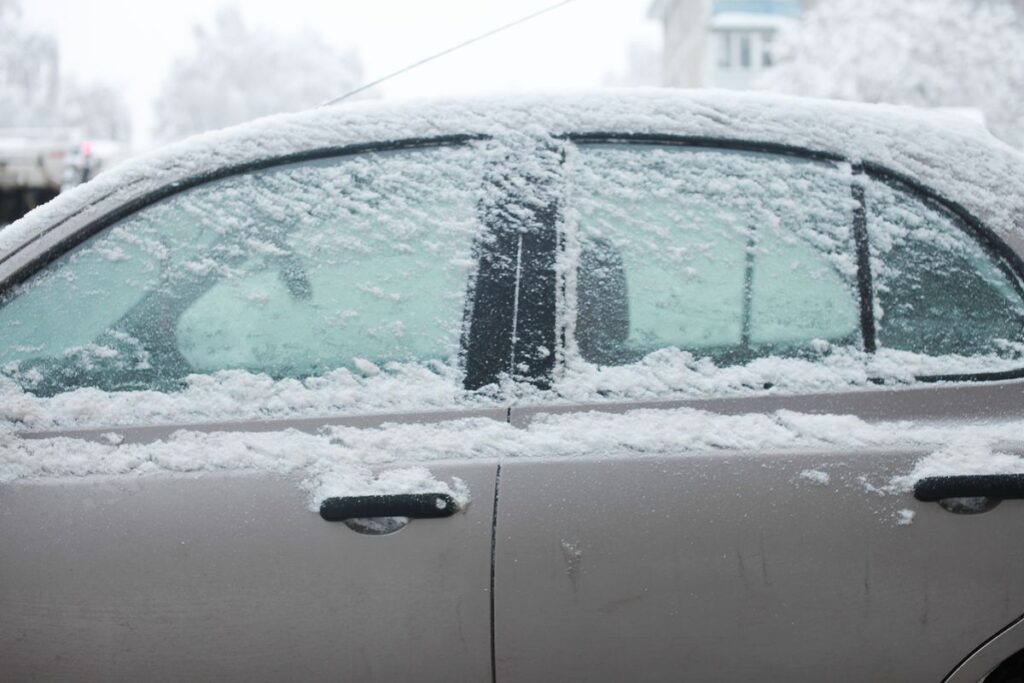
    Snow-covered windshield with raised wipers

    Start With the Battery: Low Voltage Can Switch Seat Heaters Off

    Seat heaters draw a lot of current, so many cars treat them as optional. When battery voltage or charge drops, the body computer sheds these loads first to protect starting power. The switch light may blink, or a battery saver message may appear on the dash.

    Many newer cars use a load shed system that protects the battery. Heated seats, heated mirrors and the rear defroster are often the first loads cycled off when voltage sags, and the exact threshold varies by make.

    A cold battery holds less charge, so this shows up on winter mornings. If the heaters return after a longer drive, have the battery and charging system tested. Related warning signs are covered in our guide to bad alternator symptoms and how they show up.

    Both Heated Seats Not Working: Look Upstream

    When neither seat heats and the battery is healthy, look at the parts both seats share.

    • Fuse: your owner’s manual shows which fuse feeds the seat heaters. Replace it with the same rating. If the new one blows right away, there is a short.
    • Relay: many cars switch the heaters through a relay. A failed one kills both sides at once.
    • Control module: on newer cars a body or seat module runs the heaters and stores fault codes that a scan tool can read.
    Classic car dashboard and steering wheel

    It is the same logic we use for glass in our post on a rear defroster that is not working. If both the defroster and the seats quit together, a shared fuse, relay or low voltage becomes the prime suspect.

    Only One Seat Is Dead: Switch, Connector or Element

    If the passenger seat warms up and yours does not, the problem is between that seat’s switch and its heating pad.

    The Switch

    Switch contacts wear with use. Signs include a light that does not come on, a button that has to be pushed several times, or heat that comes and goes when you touch it.

    The Connector Under the Seat

    Power reaches the seat through a plug on the floor under the seat. Rear passengers kick it and seat adjustments can tug it loose. In a Michigan winter, snowmelt and salty slush from boots soak the carpet and corrode the pins.

    Hand reaching for a wiring connector under a panel

    Be careful looking there. Airbag and seat belt connectors share the space, and unplugging the wrong one can set an airbag warning light.

    A Broken Heating Element

    The element is a mat of thin wires glued under the seat cover. Kneeling on the seat and daily sliding in and out can crack a wire. Once the circuit is open, current stops flowing and that seat goes cold.

    A manufacturer service bulletin filed with NHTSA about a seat heater that shuts itself off shows how a technician checks the circuit for continuity to find an open, broken heater element. Some seats wire several elements in series, so one break can disable the whole seat. Replacing an element usually means removing the seat cover.

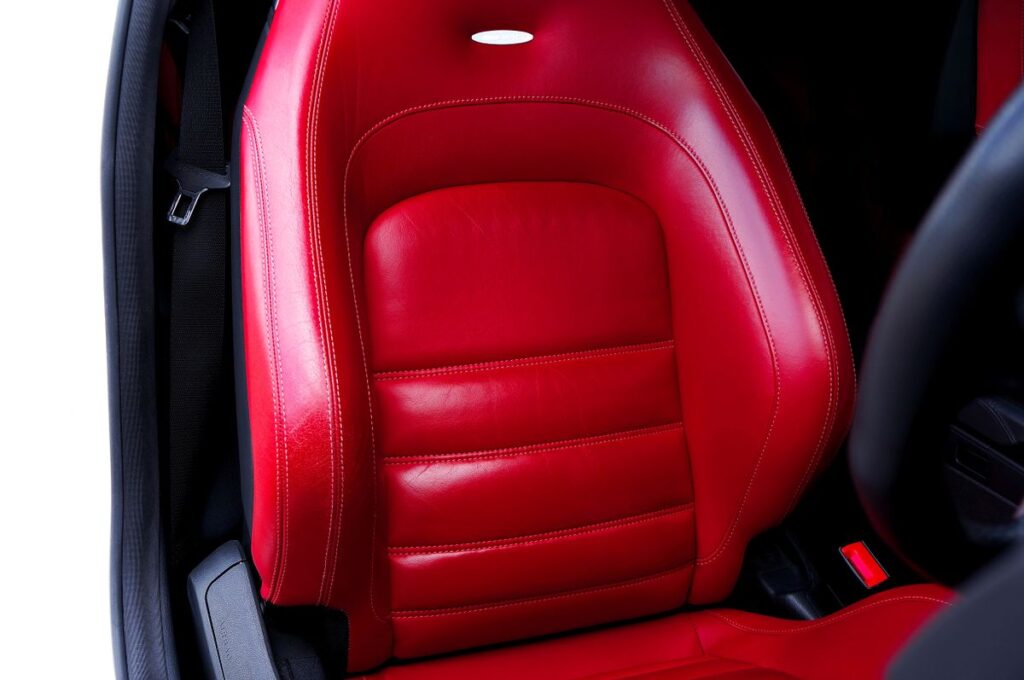
    Red leather car seat

    Seat Cuts Out or Works on Only One Setting

    Every heated seat has a temperature sensor or thermostat in the pad that tells the system when to stop heating. If that sensor fails or reads wrong, the seat may shut off after a minute, work only on high, or never get past lukewarm.

    A seat that drops out over bumps or when you shift your weight usually has a loose connection instead. The wire moves, the circuit opens for a moment, and the heat stops.

    Only the Back or Only the Bottom Heats

    Most seats have one pad in the cushion and one in the backrest, joined by a short wire. If one half warms and the other stays cold, the power feed is fine and the fault sits in the cold half.

    The usual cause is a broken wire in that pad or in the link between the two pads, which flexes every time you sit down. Warm spots next to cold patches point to a partial break, which deserves attention for safety.

    Black leather front seats

    Safety: When a Heated Seat Gets Too Hot

    A seat heater that will not shut off, feels hot in one spot, or smells like something is burning should be switched off and left off. A damaged element can overheat where a wire is broken, and a stuck temperature sensor can keep heating past a safe level.

    This matters most for small children and anyone with reduced feeling in their legs. If the button does not turn it off, pull the fuse and have the seat checked before using it again.

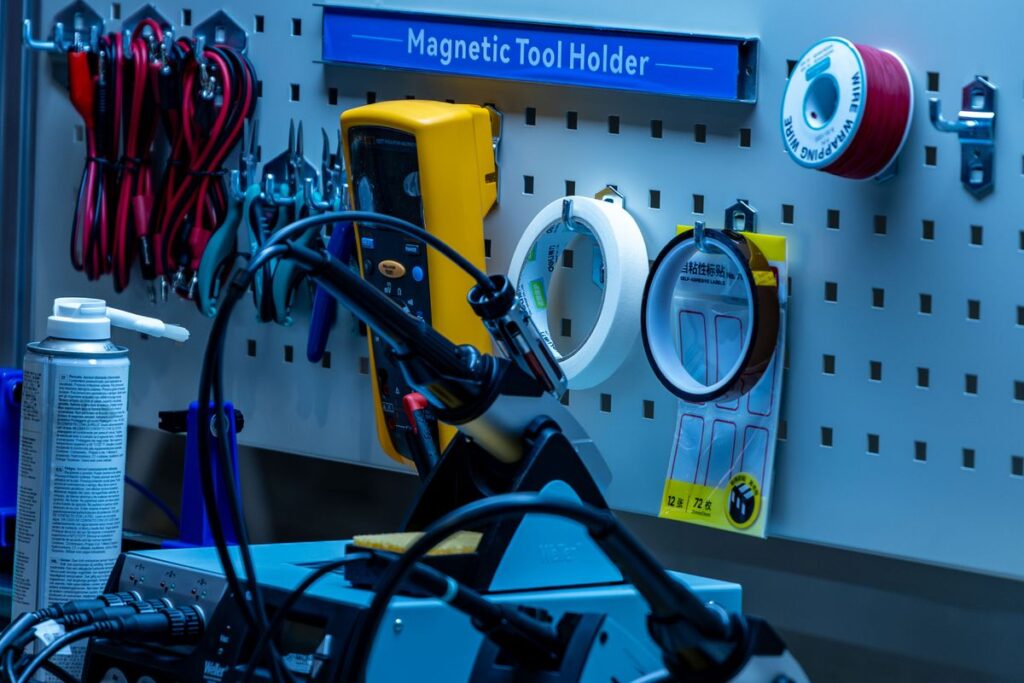
    Workbench with a multimeter and tools

    Heated Seats Not Working: Symptoms Compared

    Match what you notice to the likely cause. A test with a meter or scan tool confirms it.

    What you noticeLikely causeHow urgent
    Seat gets too hot, hot spot or burning smellDamaged element or stuck temperature sensorHigh Switch it off and get it checked now
    Both seats dead, switch light blinks, slow crankingLow battery voltage or charging problemSoon Test the battery within days
    New fuse blows again right awayShort circuit in wiring or elementSoon Get it checked within days
    Both seats dead, battery is fineFuse, relay or control moduleModerate Plan a repair in the next few weeks
    One seat dead or cuts out over bumpsSwitch or loose, corroded connectorModerate Plan a repair in the next few weeks
    Only the back or only the bottom heatsBroken element or connecting wireLow Fix at your next service visit
    Heated seats not working: what you notice, likely cause and urgency

    Getting Heated Seats Fixed in Grand Rapids

    The element sits under the seat cover, so it is the last part you want to replace by mistake. Checking voltage, fuse, relay, switch and connector first finds the real fault.

    Our car electrical repair in Grand Rapids covers body electronics on foreign and domestic vehicles, from seat heaters to a power window that is not working. Hendrick Hoffman, our owner and head mechanic, is ASE and State of Michigan certified in electrical.

    Frequently Asked Questions

    Why did my heated seat suddenly stop working?

    The most common causes are a blown fuse, a connector under the seat that has been kicked loose or corroded, a worn switch, or a broken wire in the heating element. If both seats quit at once, low battery voltage is also worth checking.

    Why is my heated seat light blinking?

    On many cars a blinking seat heater light means the system has switched the heater off, often because battery voltage is low. Have the battery and charging system tested first.

    Can a heated seat element be repaired?

    Sometimes a broken connection can be repaired, but often the element mat is replaced. The job usually means removing the seat cover, so it pays to rule out the fuse, switch and connector first.

    Is it safe to use a heated seat that gets very hot?

    No. A seat that overheats, has a hot spot or smells like burning should be switched off and left off. A damaged element or stuck temperature sensor can cause burns, so have it checked before using it again.

    Need car electrical repair in Grand Rapids? Call 456 AutoFix at 616-279-3832, Monday to Friday 8am to 5pm, or book through our contact page.

    Can’t make it during the day? Use our after-hours drop-off. We’re at 456 Carrier St NE in Creston.
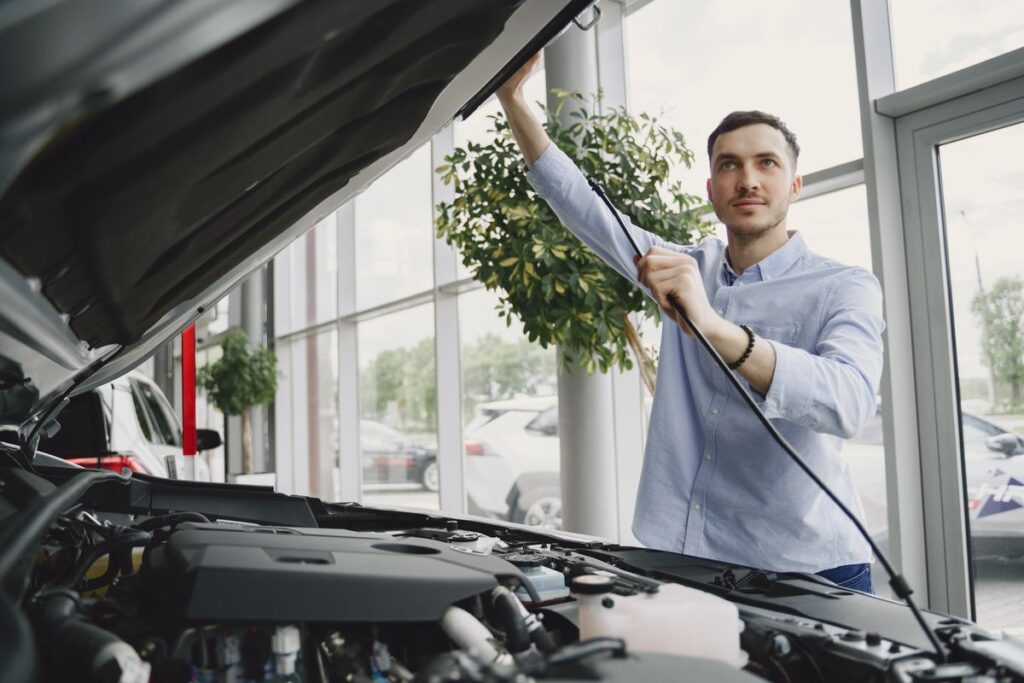
  • Blower Motor Only Works on High? Why the Resistor Is Usually to Blame

    Blower Motor Only Works on High? Why the Resistor Is Usually to Blame

    When your blower motor only works on high, the fan itself is usually fine. The problem is almost always in the part that slows it down, most often the blower motor resistor, and the reason comes down to how the speed circuit is wired.

    Here is why high keeps working, what else can cause it, and when it becomes urgent.

    Quick answer

    Why does my blower motor only work on high?

    On most cars with manual climate controls, the high setting sends power straight to the fan and skips the blower motor resistor. The lower speeds all run through that resistor, so when a coil or its thermal fuse burns out, only high is left. A melted connector, a worn blower motor, the fan switch or a control module can also cause it.

    Round dashboard air vent with red trim

    Why High Still Works When the Other Speeds Are Dead

    To slow the blower down, most manual systems feed the low and middle speeds through a resistor pack, a set of coils that drops the voltage before it reaches the motor. More resistance means a slower fan.

    High is different. On most cars the high setting bypasses the resistor and gives the motor full voltage. OnAllCylinders explains this in its guide to what a blower motor resistor does and how to tell if it is bad, and lists “fan only works on its highest speed setting” as a classic symptom.

    So a fan that runs on high proves the motor and most of the wiring still work, which points to the resistor circuit first.

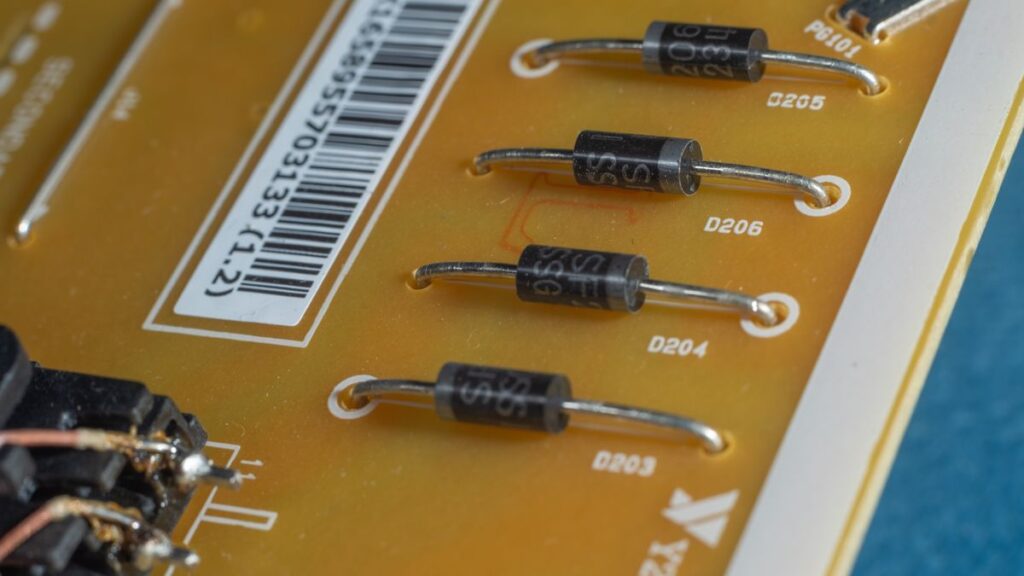
    Close-up of electronic components on a circuit board

    Common Causes When a Blower Motor Only Works on High

    1. A Burned-Out Resistor Coil

    The resistor sits in the air stream inside the heater box, usually behind the glove box, so moving air keeps it cool. Over time the coils overheat and one of them breaks. If only one coil fails, you may lose a single speed, such as speed 2, while the others still work.

    2. A Blown Thermal Fuse

    Many resistor packs include a small thermal fuse that opens if the pack gets too hot. When it opens, every lower speed goes dead at once. A fuse that blew usually means something made the resistor overheat, so the cause still needs finding.

    Bundle of black electrical cables

    3. A Melted or Scorched Connector

    The plug that connects to the resistor carries a lot of current. When its terminals loosen or corrode, they heat up, and the plastic can brown, warp or melt. Speeds may cut out before they quit.

    Treat this one as urgent, because a connector hot enough to melt plastic is a fire risk under the dash. If you smell hot plastic from the vents, see our guide to a car heater that smells like burning and what each smell means. A new resistor in a damaged plug often fails again, so the plug usually gets replaced too.

    4. A Worn or Dragging Blower Motor

    This is the cause people miss. A motor with worn bearings, or a fan cage packed with leaves, has to work harder and draws more current. That extra current flows through the resistor and connector and cooks them.

    A manufacturer service bulletin filed with NHTSA explains that when the blower resistor fails, the damage most likely came from extra current drawn by a seized or binding blower motor, so both parts are replaced as a set. That is why a new resistor alone can fail again soon: the real problem is still spinning in the heater box.

    Hand working on parts under a dashboard

    Warning signs of a tired motor include a squeal or ticking from behind the dash, or weak airflow even on high.

    5. A Faulty Fan Speed Switch

    The dash switch picks which resistor path the current takes, and worn contacts inside it can kill the lower positions. It is the next suspect when the resistor tests good.

    6. A Blower Control Module on Newer Cars

    Many newer cars, especially those with automatic climate control, use an electronic blower control module instead of a coil resistor. It varies fan speed smoothly with a transistor. When it fails, the fan may run at full speed all the time, quit entirely, or change speed on its own.

    These modules can also be damaged by a dragging motor, just like a resistor. Diagnosis means checking power, ground and the control signal.

    Leaves, Filters and Fall in West Michigan

    The fresh-air intake sits in the cowl below the windshield, right where leaves collect every fall. Debris that gets past it can land in the blower cage, slowing the fan down.

    A clogged cabin air filter also chokes the airflow that keeps the motor and resistor cool. Keeping that filter fresh is simple prevention, and our guide on how often to change your cabin air filter covers the timing.

    Autumn leaves on a red car hood

    Can You Drive When the Blower Motor Only Works on High?

    Usually yes, for a short while, as long as there is no burning smell and the fan does not cut out. High still moves air for defrost. It is just loud.

    The bigger winter issue is visibility. If the fan quits completely, the glass fogs fast, and our guide to car windows fogging up inside and how to clear them explains why. If the fan works but the air stays cold, that is a different problem, covered in our post on a car heater blowing cold air.

    Foggy highway seen through a windshield

    Fan Symptoms Compared: Likely Cause and Urgency

    Match what your fan is doing to the likely cause. Only testing can confirm the part.

    Fan symptomLikely causeHow urgent
    Only high works, burning plastic smell or melted plugOverheated resistor connectorHigh Stop using the fan and book a repair right away
    New resistor failed again, fan noisy or weakWorn or dragging blower motorSoon Get it checked within days
    Fan runs at full speed all the time on automatic climate controlBlower control moduleSoon Get it checked within days
    Only high works, all lower speeds deadResistor coil or thermal fuseModerate Plan a repair in the next few weeks
    One speed missing, others fineSingle resistor coil or switch contactLow Fix at your next service visit
    Blower motor only works on high: fan symptom, likely cause and urgency

    Getting Your Fan Speeds Fixed the Right Way

    When a blower motor only works on high, guessing rarely pays off, because a resistor swap on top of a tired motor or damaged plug just sets up the next failure. A proper diagnosis tests the resistor or module, inspects the connector and measures how hard the motor is working.

    Our car heater and A/C repair in Grand Rapids covers blower and fan speed problems on foreign and domestic vehicles. Hendrick Hoffman, our owner and head mechanic, is ASE and State of Michigan certified in both heating and air conditioning and electrical.

    Frequently Asked Questions

    Is it the blower motor resistor or the switch?

    When only high works, the resistor is the more common cause, because high skips it. If the resistor and its connector test good, the fan speed switch or the wiring between them is the next thing to check.

    Can I drive with my blower motor only working on high?

    Usually yes for a short time, since high still clears the windshield. If you smell burning plastic or the fan cuts in and out, stop using it and have the connector checked, because overheated wiring under the dash is a fire risk.

    Why did my new blower motor resistor stop working again?

    The most common reason is a worn or dragging blower motor drawing too much current, which overheats the new resistor. A damaged connector left in place can also cause a repeat failure, so both should be checked.

    Why is my car’s fan stuck on full speed?

    On cars with automatic climate control, a failed blower control module often leaves the fan running at full speed no matter the setting. On manual systems, a fan stuck on high usually means the resistor or its thermal fuse has failed.

    Need car heater repair in Grand Rapids? Call 456 AutoFix at 616-279-3832, Monday to Friday 8am to 5pm, or book through our contact page.

    Can’t make it during the day? Use our after-hours drop-off. We’re at 456 Carrier St NE in Creston.
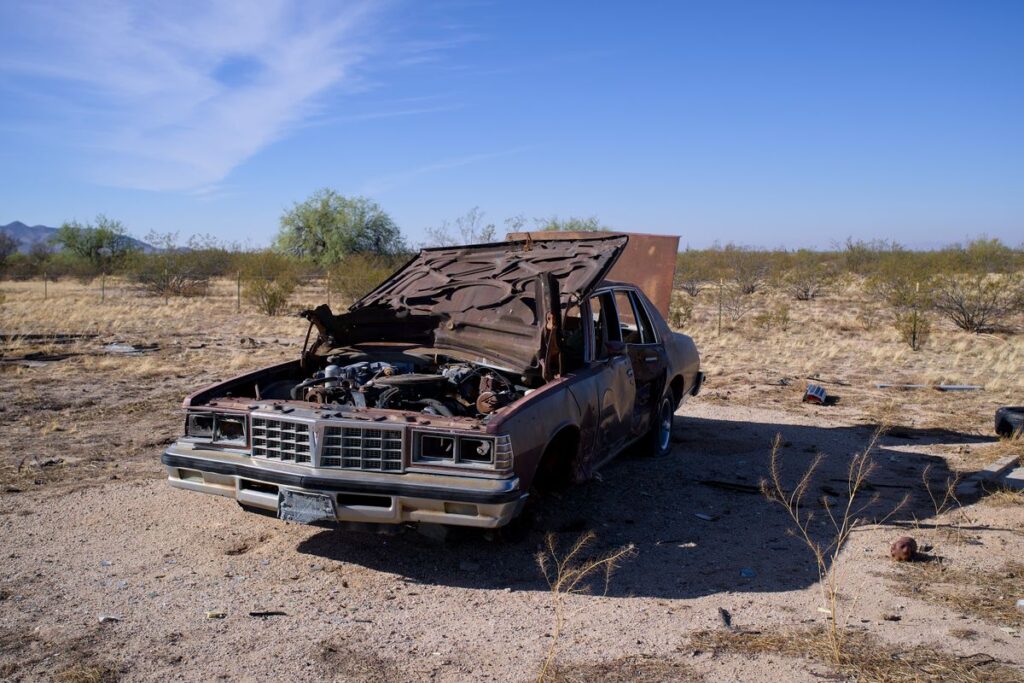
  • Hole in Your Muffler? Is It Safe (and Legal) to Keep Driving in Michigan

    Hole in Your Muffler? Is It Safe (and Legal) to Keep Driving in Michigan

    A hole in muffler steel usually announces itself the same way: one cold morning the car starts with a rumble it never had before. In West Michigan that often happens in late winter, after months of salt and short trips.

    It is rarely an emergency, but don’t ignore it. Here is why mufflers rot out, when the hole matters, what Michigan law says and when a patch is enough.

    Quick answer

    Is it safe to drive with a hole in your muffler?

    A small hole in a rear muffler is usually safe for a short time, because the gas leaves behind the cabin. It is still loud, and Michigan law requires a muffler in good working order. If you smell exhaust inside the car or the leak is under the seats, stop driving it and have it checked.

    Close-up of a car exhaust tip

    Why Mufflers Rot Out in a Michigan Winter

    Road salt gets the blame, and it does attack the outside of the can. But most mufflers actually fail from the inside out. Burning fuel makes water vapor, and when a cold exhaust system meets that vapor, it condenses into liquid inside the muffler.

    A long highway drive gets the system hot enough to boil that water off. Short trips never do, so acidic water sits in the bottom of the muffler. A car that only runs a few miles to work and back in January can keep its muffler wet all winter.

    • Inside: trapped, acidic condensation eats through the lowest seams and the bottom of the case first.
    • Outside: salt spray and slush hold moisture against the shell, the clamps and the hangers.
    • Freeze and thaw: repeated cycles open up small rust pits until they break through.
    Slushy winter street with traffic

    One thing to check before you worry: some mufflers have a small factory drain hole at the lowest point to let condensation out. A neat, round pinhole there may be by design. A ragged, rust-edged hole, or one along a seam, is not.

    Signs of a Hole in Your Muffler

    The muffler is the last big can, usually near the rear axle. Failure tends to show up in this order:

    1. Louder than usual, especially at a cold start or when you accelerate.
    2. A deep rumble or “motorboat” sound that grows as the hole gets bigger.
    3. A rattle from the rear when the engine idles or revs, often loose internal baffles or a rusted heat shield.
    4. An exhaust smell outside the car, or worse, inside it.
    5. Black soot or rust flakes around a spot on the case, or a can that sags on its hangers.

    A rattle can come from somewhere else, too. If the noise follows bumps rather than engine speed, our guide to a clunking noise over bumps and suspension causes may fit better. A rattle from under the middle of the car can be the converter, which we cover in bad catalytic converter symptoms and what they mean.

    Rusted rear bumper of an old car

    If the noise seems to come from the front of the car or the engine bay, the leak is probably not the muffler at all. Our post on exhaust leak symptoms from the manifold to the tailpipe walks through leaks anywhere in the system.

    Is It Safe? The Carbon Monoxide Question

    Location is what matters. A muffler sits behind the catalytic converter, so gas escaping from a rear muffler hole is no different from tailpipe gas, and it usually leaves behind the cabin. The risk rises when the leak is under the passenger area, when the car idles in snow or a closed space, or when rust has also opened the trunk or floor seams. Exhaust contains carbon monoxide, which you cannot see or smell, so any exhaust odor inside the car means stop driving it until it is checked.

    Is a Hole in the Muffler Legal in Michigan?

    Michigan’s Vehicle Code speaks to this directly. The full text of MCL 257.707 says a motor vehicle “shall at all times be equipped with a muffler in good working order and in constant operation to prevent excessive or unusual noise and annoying smoke.” The same section also requires “a properly operating exhaust system.”

    Mechanic working under a car on a lift

    A muffler with a hole in it is hard to call “in good working order.” We are mechanics, not lawyers, so read the statute for the exact rules. The practical takeaway: fix a rusted-through muffler sooner rather than later.

    Patch or Replace?

    Patch kits, tape and paste have a place, but it depends on the metal around the hole. If a screwdriver tip pushes through it, there is nothing solid to grip. And because most holes start inside, an outside patch only keeps the noise down until a proper repair.

    OptionWhen it can workLimits
    Exhaust tape or wrapA small hole in otherwise solid metal, to get you byTemporary; heat and moisture loosen it, and it can trap water
    Repair paste or puttyPinholes and small cracks on a clean, sound surfaceCracks off as the metal flexes and heats; fails on thin, rusted steel
    Patch plate or clampA small hole near a joint or on a pipeStill a stopgap if the muffler is rotting from inside
    Replace the mufflerRust holes, seam failures, loose baffles or a sagging caseHangers, clamps and nearby pipe may need replacing too
    Hole in muffler repair options compared: patch, paste, clamp or replacement
    SUV raised on a lift in a repair shop

    How Urgent Is a Hole in Muffler?

    Use the symptom you have to decide how fast to act. When in doubt, have it put on a lift so you can see exactly where the leak is.

    What you noticeWhat it suggestsHow urgent
    Exhaust smell inside the carLeak near or under the cabin, or a rusted body seamHigh Stop driving it and have it checked
    Muffler or pipe dragging or hanging lowBroken hanger or rusted-through pipeHigh Don’t drive it until secured
    Loud rumble that gets worse each weekHole is growing, case is rotting throughSoon Book a repair within days
    Rattle from the rear at idleLoose baffles or a rusted heat shieldModerate Have it inspected soon
    Small round hole at the lowest point, no noise changePossibly a factory drain holeLow Watch it and mention it at your next service
    Hole in muffler symptoms ranked by what they suggest and how urgent they are

    To slow the next muffler down, give the car a longer drive now and then, so the system gets hot enough to dry out. A rinse underneath during a thaw helps with the salt on the outside.

    Mechanic inspecting the exhaust under a car

    Getting a Muffler Fixed in Grand Rapids

    A proper check looks at the whole system, not just the hole you can hear. We inspect the muffler, pipes, hangers and clamps, and tell you whether a section can be repaired or the muffler needs replacing. Our exhaust and muffler repair in Grand Rapids covers foreign and domestic vehicles.

    Frequently Asked Questions

    Can you drive with a hole in your muffler?

    For a short time, usually yes, if the hole is in the rear muffler and you smell no exhaust inside the car. It will get louder as the hole grows, so plan a repair soon.

    Can a muffler with a hole be patched?

    A small hole in solid metal can be patched with exhaust tape, paste or a clamp to get you by. If the metal around the hole is thin or flaking, the patch won’t hold and the muffler needs replacing.

    Is it illegal to drive with a hole in your muffler in Michigan?

    MCL 257.707 requires a muffler “in good working order and in constant operation to prevent excessive or unusual noise and annoying smoke.” A muffler with a hole in it may not meet that standard, so read the statute and get it repaired.

    Why does my muffler keep rusting out?

    Short trips leave water from combustion sitting inside the muffler, where it rusts the case from the inside. Road salt attacks the outside at the same time, which is why Michigan mufflers often fail in late winter.

    Need exhaust repair in Grand Rapids? Call 456 AutoFix at 616-279-3832, Monday to Friday 8am to 5pm, or book through our contact page.

    Can’t make it during the day? Use our after-hours drop-off. We’re at 456 Carrier St NE in Creston.

  • White Smoke From Exhaust: Harmless Winter Steam or Burning Coolant?

    White Smoke From Exhaust: Harmless Winter Steam or Burning Coolant?

    Seeing white smoke from exhaust pipes on a frosty Grand Rapids morning is common, and most of the time it is only steam. Sometimes, though, it is the first sign that coolant is leaking into the engine and burning.

    The difference comes down to how thick the smoke is, how it smells and whether it clears once the engine warms up. Here is how to tell which one you have and what to do next.

    Quick answer

    Is white smoke from my exhaust a problem?

    Thin white vapor on a cold start that fades within a few minutes of driving is normal condensation. Thick white smoke that keeps pouring out after the engine is warm, smells sweet or comes with falling coolant or a rising temperature gauge usually means coolant is burning inside the engine and needs diagnosis right away.

    Dual exhaust tips on a red car

    Normal Steam on Cold Michigan Mornings

    Burning gasoline produces water as well as heat. While the engine and exhaust are cold, some of that water condenses inside the pipes and muffler. On a cold start, the hot exhaust turns it back into vapor, and cold air makes the vapor easy to see, just like your breath in January.

    Short trips make it more noticeable. If you only drive a few miles to work or school, the exhaust may never get hot enough to dry out, so the same moisture shows up again the next morning. A longer drive at full operating temperature usually burns it off.

    Harmless condensation usually looks like this:

    • Thin and wispy, and it drifts away quickly
    • No smell beyond normal exhaust
    • Fades as the engine warms up, often within a few minutes of driving
    • The coolant level stays put and the temperature gauge reads normal
    • A few drips of clear water from the tailpipe
    Snowy city street with parked cars

    When White Smoke From Exhaust Means Burning Coolant

    Coolant that leaks into the cylinders gets burned along with the fuel. The result is thick, billowing white or gray-white smoke that hangs in the air and keeps coming after the engine is fully warm. Many drivers notice a sweet, syrupy smell, because that is what burning antifreeze smells like.

    Jalopnik’s explainer on white exhaust smoke lists the same warning signs: a sweet smell, steady coolant loss, overheating and milky oil. These are the usual sources of the leak.

    A Blown Head Gasket

    The head gasket seals the cylinder head to the engine block and keeps coolant, oil and combustion apart. Overheating is a common reason it fails. Once the seal breaks between a coolant passage and a cylinder, coolant gets burned and pressure can push into the cooling system.

    A Cracked Cylinder Head or Block

    Severe overheating can crack the cylinder head or, less often, the block. The symptoms look much like a failed head gasket, which is why testing matters before anyone recommends a repair.

    Worker handling camshafts and a cylinder head

    An Intake Gasket or EGR Cooler Leak

    On some engines, coolant runs through the intake manifold, and a failed intake gasket can let it into the cylinders. Many modern turbocharged and diesel engines also use an EGR cooler, which runs exhaust gas past coolant. An internal crack in that cooler can send coolant into the engine and produce the same white smoke.

    Steam or Coolant Smoke? How to Tell

    Compare what you see against these clues before you worry.

    ClueNormal condensationBurning coolant
    LookThin, wispy, clears quicklyThick, billowing, hangs in the air
    SmellNormal exhaustSweet or syrupy
    When it happensCold starts, fades once warmContinues after warm-up and under acceleration
    Coolant levelStays steadyDrops with no puddle under the car
    Temperature gaugeNormalMay creep up or spike
    White exhaust vapor vs coolant smoke: the clues side by side
    Woman checking a fluid under the hood

    Exhaust Smoke Colors Compared

    Color is a useful first clue. Bluish or blue-gray smoke usually means the engine is burning oil, which is common on some turbocharged engines and covered in our guide to Audi 2.0T oil consumption and its causes. Black smoke means too much fuel.

    Smoke you seeUsual causeHow urgent
    Thick white smoke with overheating or fast coolant lossCoolant burning, engine at riskHigh Stop driving and call us
    Thick white, sweet-smelling smoke that persistsCoolant leaking into the cylindersHigh Book a diagnosis right away
    Blue or blue-gray smokeOil burning (rings, valve seals, turbo seals)Soon Check the oil level and book a check
    Black smokeRunning rich (injector, sensor or air filter)Moderate Get it checked soon
    Thin white wisp on a cold startNormal condensationLow Watch that it clears
    Exhaust smoke colors compared by usual cause and urgency

    What to Do If the Smoke Does Not Clear

    If the white smoke keeps coming after a warm-up, take these steps:

    1. Watch the temperature gauge. If it climbs toward hot or a coolant warning lights up, pull over safely and shut the engine off.
    2. Never open a hot radiator cap or reservoir. The system is under pressure and can spray scalding coolant.
    3. Check the coolant only when the engine is cold. Wait several hours or overnight, as The Drive’s guide to checking coolant level recommends, then compare the reservoir to its MIN and MAX marks.
    4. Look under the oil filler cap. A creamy, milky residue can mean coolant is mixing with the oil, although short winter trips can leave a little moisture there too.
    5. Note any warning lights. Coolant in a cylinder can cause a misfire, and a blinking light is explained in our guide to a check engine light flashing and when to stop driving.
    Instrument cluster showing the gauges

    Topping off the coolant and carrying on is risky. Every mile with coolant burning raises the chance of overheating, and that can turn a smaller problem into a much bigger one. If the car is losing coolant fast or running hot, don’t drive it in. Call us first so we can talk through the safest way to get it here.

    How We Diagnose White Smoke in Grand Rapids

    Guessing is expensive, because a head gasket, a cracked head and a leaking cooler can all look alike from the tailpipe. Our check engine light and engine diagnostics in Grand Rapids starts with the facts: stored codes and misfire data, a cooling system pressure test, a check for combustion gases in the coolant, and a compression or leak-down test where needed.

    We also rule out simpler coolant loss, such as an external leak, before anyone talks about the engine. On Audi models, a leaking water pump or thermostat housing is a frequent culprit, covered in our guide to Audi water pump failure symptoms.

    Mechanic beside an engine on a stand in a shop

    Once we know the cause, we tell you plainly what the car needs and how urgent it is. Hendrick Hoffman, our owner and head mechanic, has worked in automotive service since 2005, is Audi factory trained, and our shop works on foreign and domestic vehicles.

    Frequently Asked Questions

    Is white smoke from exhaust normal in winter?

    Yes, thin white vapor on a cold start is normal condensation, and cold air makes it more visible. It should fade as the engine warms up. Smoke that stays thick after warm-up is not normal.

    How do I know if white smoke means a blown head gasket?

    Persistent thick smoke, a sweet smell, coolant loss with no visible leak and overheating all point toward coolant burning. Only testing, such as a pressure test and a combustion gas test, confirms whether the head gasket is the cause.

    Can I drive with white smoke coming from the exhaust?

    If it is thin vapor that clears once warm, yes. If it is thick, persistent smoke with coolant loss or a rising temperature gauge, stop driving, because overheating can cause serious engine damage.

    Why does my exhaust smell sweet?

    A sweet, syrupy smell usually means coolant is burning, either in the engine or on a hot part from an external leak. Check the coolant level once the engine is cold and book a diagnosis.

    Need engine diagnostics in Grand Rapids? Call 456 AutoFix at 616-279-3832, Monday to Friday 8am to 5pm, or book through our contact page.

    Can’t make it during the day? Use our after-hours drop-off. We’re at 456 Carrier St NE in Creston.

  • Rear Defroster Not Working? Fuse, Relay, Tab or Grid

    Rear Defroster Not Working? Fuse, Relay, Tab or Grid

    A rear defroster not working is easy to ignore until the first frosty morning, when the back window stays white and your mirrors are all you have.

    Is the whole window cold, or are only a few strips clearing? That one clue separates a power fault from a damaged grid.

    Quick answer

    Why is my rear defroster not working?

    If nothing heats at all, suspect a blown fuse, a failed relay, switch or timer module, or a broken wire or ground. If only some lines clear, those grid lines are broken, often by scraping or cargo. If one side works, a terminal tab may have come loose from the glass.

    Climate control panel with rear defrost button

    First, Narrow It Down: Whole Grid, Some Lines or One Side

    A switch tells a relay or control module to send current through two terminal tabs on the glass, and the thin lines between them warm up. Most systems switch off on their own after a set period, which is normal.

    With the engine running, turn the defroster on, wait several minutes and check the glass. The result fits one of three patterns.

    1. Nothing Heats at All

    When the entire window stays cold, current is not reaching the grid, or it has no path back. Likely causes, in order:

    • Fuse: a common failure, since the grid draws a lot of current. Your owner’s manual shows which one.
    • Switch: a button that won’t light, or works only sometimes, can point to the switch itself.
    • Relay or timer module: on many cars this part switches the grid on and times it off. The button may light even when it has failed.
    • Wiring and ground: a corroded ground connection or a broken feed wire stops the whole grid.
    Bundle of colored electrical wires

    If the grid barely warms and your lights are dim too, low voltage may be the cause, so read our guide to bad alternator symptoms and how to spot them. If the switch is on but the glass stays cold, check the fuse first. Permatex’s window defogger repair kit instructions also say to find a broken grid line by eye or with a multimeter before repairing it.

    2. Only Some Lines Clear

    If the window clears in stripes with a few frosted bands left, the power supply is fine. Each frosted line has a break somewhere along it.

    The grid lines are a thin conductive coating baked onto the inside of the glass. An ice scraper used inside, cargo sliding against the window or old tint being peeled off can all cut a line.

    Gloved hand clearing snow off a car window

    3. Only One Side or One Area Works

    Each side of the grid ends at a vertical strip called a bus bar, with a metal terminal tab bonded to it. If a tab breaks loose or its connector corrodes, the whole window or one section stops heating, depending on the layout.

    This is common on hatchbacks, SUVs and wagons. Cargo bumps the tabs, and the wiring through the liftgate hinge flexes every time it opens until a wire cracks. The same flex-point wear shows up in doors, as our post on a power window not working and what causes it explains.

    How to Spot a Broken Defroster Line

    A break can be tiny, so it is hard to see on a clean window. Try these:

    1. Read the frost. On a frosty morning, turn the defroster on and watch which lines stay white.
    2. Use a flashlight. Shine it along a frosted line at a low angle and look for a tiny gap or scratch.
    3. Test with a voltmeter. A technician probes along the line with the defroster on. The reading falls gradually across the glass, and a sudden jump marks the break.
    Multimeter and electrical parts on a bench

    Small breaks and loose tabs can often be repaired without replacing the glass. Permatex describes its window defogger repair kit as made for scratched or broken grid lines and detached tabs, but not for wires that were soldered to the grid and torn off. It also calls for mild temperatures, so in a Michigan winter that means a heated garage.

    Rear Defroster Not Working: Symptoms Compared

    Match what you see with the likely cause before replacing parts.

    SymptomLikely causeHow urgent
    Nothing heats and the button light stays offBlown fuse, failed switch or no power to the switchSoon Fix before the cold sets in
    Button lights up but the glass stays coldRelay, timer module, broken feed wire or bad groundSoon Fix before the cold sets in
    Fuse blows again after replacing itShort circuit in the wiring or gridHigh Stop replacing fuses and book a diagnosis
    One side or one section stays frostedDetached terminal tab or broken hatch wiringModerate Book a check
    One or two lines stay frostedBroken grid lines from scraping or cargoLow Repair when convenient
    Grid barely warms and lights look dimWeak battery or charging systemModerate Test the battery and charging soon
    Rear defroster symptoms compared by likely cause and urgency

    On many vehicles the heated side mirrors run on the same circuit. If your mirrors stopped clearing at the same time as the rear glass, that points to the shared fuse, relay or switch rather than the grid.

    Why It Matters in a Michigan Winter

    Grand Rapids winters bring frost, freezing fog and lake effect snow. Without a working rear defroster, you wait for the cabin to warm the glass or drive with a blind spot behind you.

    That matters most when changing lanes, backing out of a driveway or watching for a car closing fast on a slippery road. Mirrors help, but they don’t replace a clear rear window.

    Snowy mountains seen through a car side window

    Not every foggy back window is a defroster fault, though. If the glass fogs on the inside and the grid works but can’t keep up, extra moisture in the cabin may be the real issue. Our guide to car windows fogging up inside and how to stop it explains what to check.

    Caring for Your Rear Window Grid

    A few habits prevent most grid damage:

    • Never scrape the inside of the rear window.
    • Clean the inside with a soft microfiber cloth, wiping along the lines, not across them.
    • Skip abrasive pads, razor blades and harsh ammonia cleaners on the inside glass.
    • Keep sharp cargo off the glass and away from the terminal tabs.
    • Remove old tint carefully, since peeling film can lift grid lines.
    Hand wiping a car interior with a microfiber cloth

    Scraping the outside with a plastic scraper is fine, because the grid is on the inside of the glass.

    Getting It Diagnosed in Grand Rapids

    If a new fuse doesn’t fix it, or it blows again, the next steps need a meter and a wiring diagram. We test for power and ground at the tabs, check the relay and control signal, and trace the circuit, so the repair targets the part that actually failed. Our car electrical repair in Grand Rapids covers body electronics on foreign and domestic vehicles, and Hendrick Hoffman, our owner and head mechanic, is ASE and State of Michigan certified in electrical.

    Frequently Asked Questions

    Is a rear defroster not working usually just a fuse?

    A blown fuse is a common cause when nothing heats at all, and it is the first thing to check. If only some lines clear, the fuse is fine and the grid lines or a tab are the problem.

    Can broken defroster lines be fixed?

    Often, yes. Small breaks in a grid line can be bridged with a conductive repair compound, and a loose terminal tab can be bonded back on.

    Why does my rear defroster only work on one side?

    A terminal tab on one side may have come loose from the glass, or its connector may be corroded. On hatchbacks and SUVs, a wire broken where the harness flexes through the liftgate hinge is another common cause.

    Can window tint damage the rear defroster?

    Careful tint installation should not harm the grid, but scraping or peeling old film off can cut the lines. If lines stopped working right after tint work, that is a likely cause.

    Need rear defroster repair in Grand Rapids? Call 456 AutoFix at 616-279-3832, Monday to Friday 8am to 5pm, or book through our contact page.

    Can’t make it during the day? Use our after-hours drop-off. We’re at 456 Carrier St NE in Creston.
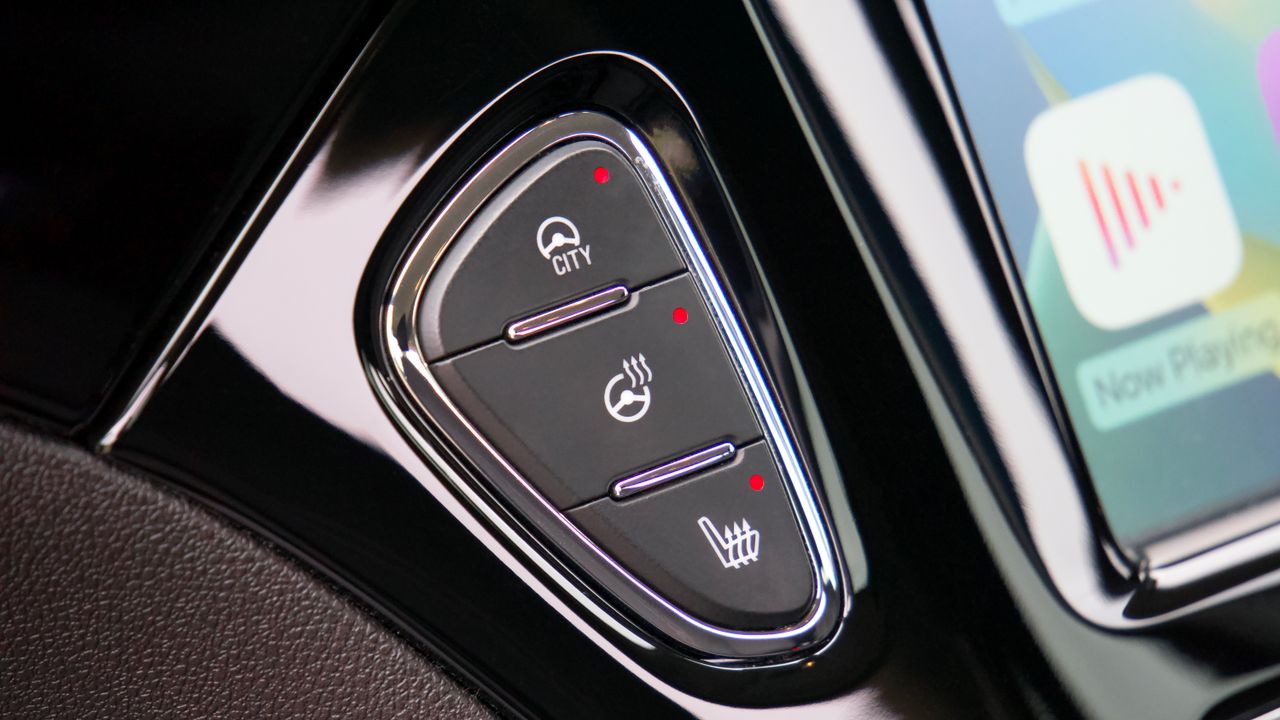
  • Car Heater Smells Like Burning? Normal Dust or a Real Problem

    Car Heater Smells Like Burning? Normal Dust or a Real Problem

    If your car heater smells like burning the first time you switch it on this fall, you are not alone. Most of the time it is dust cooking off the heater parts, and it fades within minutes. Sometimes, though, the smell is a warning from the blower wiring, a leak or a belt.

    The type of smell and how long it lasts tell you a lot. Here is how to read it and when to switch the system off.

    Quick answer

    Why does my car heater smell like burning?

    A dusty burning smell on the first cold day is usually dust burning off and should fade within minutes. A smell that lasts, or smells like hot plastic, oil, rubber or something sweet, points to a real fault: an overheating blower resistor or wire, an oil leak, a slipping belt or a coolant leak. Electrical smells mean turn the fan off now.

    Dashboard air vent beside a gauge

    Is a Burning Smell Normal the First Time You Turn On the Heat?

    Yes, usually. Over the summer, dust settles on the heater core, inside the ducts and around the blower. When hot air moves through for the first time, that dust heats up and gives off a dry, slightly scorched smell.

    The test is time. A dust smell is faint, fades over a few minutes of driving, and does not come back the next day. You won’t see smoke, and the fan and temperature work normally.

    If the smell lasts past a couple of drives, gets stronger, or comes with haze from the vents, it is not dust.

    Other Reasons a Car Heater Smells Like Burning

    Your heater pulls outside air in through the cowl, the vented panel at the base of the windshield. That means a smell from the vents can start inside the dash or out in the engine bay.

    1. Leaves and Debris in the Cowl or Cabin Filter

    West Michigan falls drop a lot of leaves, and many of them end up in the cowl. Leaves, pine needles and even a mouse nest can get pulled toward the blower and the cabin air filter. As they dry out near warm parts, they give off a smoky, leafy or musty smell.

    Fallen leaves on a car hood and windshield

    Clear the cowl by hand and check the filter. A dirty filter can also make the blower work harder. Our guide on how often to change your cabin air filter explains where it sits and when to swap it.

    2. Burning Plastic or Electrical Smell

    A sharp hot-plastic or electrical smell is the one to take seriously. The usual source is the blower motor resistor, the part that sets the fan speeds, or the wiring connector that plugs into it.

    A manufacturer service bulletin filed with NHTSA explains that a failed blower resistor is most likely caused by extra current drawn by a seized or binding blower motor. Replacing only the resistor often leads to a repeat failure.

    Common clues: the fan only works on high, speeds change on their own, or the smell gets stronger at higher fan settings. Turn the fan off and have it checked.

    Wire connectors on electrical cables

    3. Burning Oil From a Leak Onto the Exhaust

    A sharp, acrid, smoky smell often comes from engine oil dripping onto the hot exhaust manifold. A seeping valve cover gasket is a common source. The fresh-air intake then pulls that smoke into the cabin.

    AAA Club Alliance’s guide to finding the source of vehicle odors ties a burning oil smell to problems ranging from low engine oil to an oil leak. Check your dipstick, and look for wet, dark residue around the top of the engine.

    4. Burning Rubber From a Belt

    A hot rubber smell, sometimes with a squeal on startup, can mean the serpentine belt is slipping on a pulley. A pulley that is seizing makes the belt rub and heat up.

    Hands working in an engine bay

    5. A Sweet Smell

    A sweet, syrupy smell is coolant, not a burning part. Inside the car, it often means the heater core is leaking, especially with a greasy film on the windshield or a damp passenger floor. Our post on car windows fogging up inside and what it can mean covers that sign in detail. Watch your temperature gauge.

    Burning Smells Compared by Source and Urgency

    Match what you smell to its likely source, then let an inspection confirm it.

    SmellLikely sourceHow urgent
    Hot plastic or electrical, haze from ventsBlower motor resistor, connector or wiring overheatingHigh Turn the fan off now
    Sweet and syrupy, greasy film on glassCoolant, often a leaking heater coreHigh Watch the gauge, book a check
    Sharp, acrid, smoky oilOil leaking onto the hot exhaustSoon Check the oil, get it looked at
    Hot rubber, squeal on startupSlipping belt or seizing pulleySoon Get it checked within days
    Smoky, leafy or mustyLeaves or debris in the cowl or cabin filterModerate Clear the cowl, check the filter
    Faint dust that fades in minutesDust burning off on first useLow Normal, let it clear
    Car heater smells like burning: smell, likely source and urgency

    When to Turn the Heater Off and When to Stop Driving

    Turn the fan and heat off right away, and keep it off until it has been checked, if you smell hot plastic or anything electrical.

    Pull over somewhere safe, shut the engine off and call us if:

    • You see smoke from the vents, the dash or under the hood
    • The temperature gauge climbs toward hot
    • You feel a headache, dizziness or drowsiness with the heat on, which can mean exhaust fumes are getting in
    • A warning light comes on along with the smell
    Center console with climate and audio controls

    If fumes are the worry, open the windows and get fresh air first. Our guide to exhaust leak symptoms and why they matter explains why an exhaust smell in the cabin should never be ignored.

    What You Can Check Yourself

    With the engine off and cool, a few quick checks can narrow things down:

    1. Note when the smell appears: heat on only, every fan speed, or fan off too.
    2. Clear leaves from the cowl at the base of the windshield.
    3. Check the engine oil level and look for wet spots around the top of the engine.
    4. Look at the coolant reservoir level, but never open a hot cap.
    5. Look under the car for a stuck bag or debris on the exhaust.
    Mechanic's hands working on an engine

    Don’t cover the smell with an air freshener. A smell that keeps coming back needs a proper look.

    Getting Your Heater Checked in Grand Rapids

    A proper diagnosis traces the smell to its source: the blower circuit, the cabin filter and cowl, the belt, or a leak under the hood. Our car heater repair in Grand Rapids covers foreign and domestic vehicles, and Hendrick Hoffman, our owner and head mechanic, is ASE and State of Michigan certified in heating and air conditioning and in electrical. If your heater also runs cold, see our guide on why a car heater blows cold air.

    Frequently Asked Questions

    How long should the burning smell last when I first turn on the heat?

    A dust smell usually fades within a few minutes of driving and does not return the next day. If it lasts through several drives or gets stronger, have it checked.

    Why does my car heater smell like burning plastic?

    A burning plastic smell usually points to an overheating blower motor resistor, its wiring connector or other wiring behind the dash. Turn the fan off and keep it off until the system is inspected.

    What does a sweet smell from the car heater mean?

    A sweet, syrupy smell is coolant, often from a leaking heater core. Watch the temperature gauge and book a check, and pull over if the gauge climbs.

    Is it safe to drive if my car heater smells like burning?

    A faint dust smell that fades is fine. With an electrical smell, turn the heater off. If you see smoke, the gauge climbs or you feel dizzy, pull over and shut the engine off.

    Need car heater repair in Grand Rapids? Call 456 AutoFix at 616-279-3832, Monday to Friday 8am to 5pm, or book through our contact page.

    Can’t make it during the day? Use our after-hours drop-off. We’re at 456 Carrier St NE in Creston.

  • Car Not Starting in Cold Weather? What the Sound Tells You

    Car Not Starting in Cold Weather? What the Sound Tells You

    A car not starting in cold weather is one of the most common winter problems in Grand Rapids. The good news is that the sound it makes when you turn the key is your best first clue. Here is what each sound usually means and how urgent it is.

    Quick answer

    Why won’t my car start when it’s cold?

    Cold weakens the battery while thick oil makes the engine harder to turn, so a battery that was borderline in fall often fails first. Rapid clicking or a slow crank usually means a weak battery or corroded terminals. A single click points to the starter or a connection, and cranking without firing points to fuel, ignition or a sensor.

    Hands working in a car engine bay

    Why Cold Weather Makes Cars Hard to Start

    Cold slows the chemical reaction inside a battery, while thicker oil makes the starter work harder. Less power available plus more power needed is why weak parts give up on the first frosty morning. Interstate Batteries’ guide to preventing a dead battery in cold weather adds that a battery that is only half charged can freeze solid at minus 10 F.

    Cold cranking amps are covered in our Michigan winter car maintenance checklist, and our guide on how often to change your oil explains why the right oil grade helps.

    Car Not Starting in Cold Weather: What the Sound Tells You

    Before you try again, turn off the heater fan, headlights and radio so the starter gets all the power. Then listen.

    Rapid Clicking

    A fast tick-tick-tick means the starter solenoid is trying to engage but the battery can’t hold enough voltage to spin the motor. The usual cause is a weak battery. Loose or corroded terminals cause the same sound, because power can’t get through the crusty connection.

    Jumper cable clamps held over an engine bay

    The dash lights often dim along with the clicks. A jump-start usually works, but it doesn’t fix why the battery was low. If it keeps going flat after sitting, see why a car battery dies overnight.

    One Single Click

    One solid click and then silence often points to the starter motor, its solenoid or the starter relay. A loose cable at the battery or starter can do the same thing, so check the connections first. If the dash lights stay bright, or a jump doesn’t help, the battery is probably fine.

    Slow, Labored Crank

    A tired rur-rur-rur that slows with each try is the classic cold-morning sound of a battery losing strength, made worse by thick oil. It may still start today, but the next cold snap could leave you stuck.

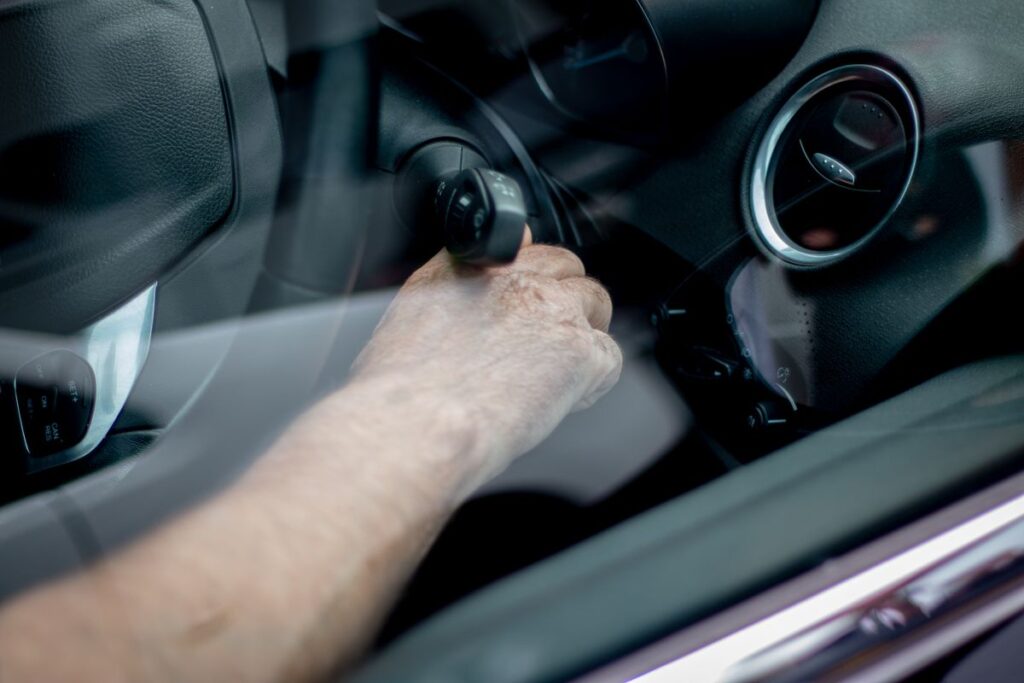
    Hand turning the ignition key

    A slow crank on a fairly new battery can also mean it isn’t being recharged while you drive. Our post on bad alternator symptoms and charging problems covers how to tell the two apart.

    Cranks Normally but Won’t Fire

    If the engine spins at a healthy speed but never catches, the battery and starter are doing their job. The engine is missing fuel, spark or the right signal. Common cold-weather causes include a weak fuel pump, worn spark plugs or coils, and a faulty coolant temperature sensor.

    Crank for no more than about 10 to 15 seconds, then rest for a minute or two. Endless cranking can overheat the starter and flood the engine.

    Nothing at All

    Silence with a dark dash usually means a dead battery or a loose battery cable. Silence with the dash lights on points to the ignition switch, a neutral safety or clutch switch, or the security system not recognizing your key.

    Fuel gauge with a warning light lit

    Watch for a flashing key or lock symbol on the dash. On many cars that means the immobilizer is blocking the start, often because the key fob battery is weak.

    Cold Start Sounds Compared by Cause and Urgency

    Use this table to match what you hear with the most likely cause.

    What you hearLikely causeHow urgent
    Rapid clicking, dim dash lightsWeak battery or corroded terminalsSoon Jump it, then have the battery tested
    One click, bright dash lightsStarter, solenoid, relay or a loose cableHigh Book a starting system check
    Slow, labored crankCold, aging battery or thick oilSoon Test the battery before the next cold snap
    Normal crank, no startFuel delivery, ignition or a sensorHigh Stop cranking and book a diagnosis
    Nothing, dark dashDead battery or loose battery cableModerate Check terminals, then jump-start
    Nothing, dash on, key light flashingSecurity system, key fob or ignition switchModerate Try the spare key, then have it checked
    Car not starting in cold weather: sound, likely cause and urgency

    Checks to Do Before You Call for Help

    A few quick checks can save a wasted call or point a mechanic in the right direction:

    1. Gear selector: make sure an automatic is fully in Park, or try Neutral. A manual needs the clutch fully pressed.
    2. Dash lights: note whether they are bright, dim or off when you try to start.
    3. Security light: look for a flashing key symbol and try your spare key.
    4. Battery terminals: with the engine off, look for white or green crust and wiggle each clamp by hand.
    5. Battery case: if it is cracked, bulging or leaking, don’t jump it.
    Two cars connected with jumper cables

    How to Jump-Start a Car Safely

    Check your owner’s manual first, since some cars have remote jump points. Then follow this order:

    1. Turn both cars off, with the cars not touching.
    2. Connect red to the dead battery’s positive post, then to the good battery’s positive post.
    3. Connect black to the good battery’s negative post.
    4. Connect the last black clamp to bare, unpainted metal on the dead car’s engine, away from the battery.
    5. Start the good car, wait a few minutes, then try the dead car.
    6. Remove the clamps in reverse order.

    Never jump a battery that looks frozen, swollen or cracked. If the car needs another jump the next morning, have the battery and charging system tested.

    How to Prevent Cold-Start Trouble in Grand Rapids

    West Michigan winters bring long cold snaps and lots of short trips, and both are hard on batteries. Prevention starts in the fall:

    • Test the battery before winter: a load test shows real strength that a simple voltage reading can miss.
    • Keep the terminals clean and tight.
    • Park in a garage when you can: even an unheated garage is warmer than the driveway.
    • Consider a block heater: it warms the engine and oil on very cold nights so the starter has less work to do.
    • Take a longer drive now and then: short trips don’t fully recharge the battery.
    Frost on a side mirror at sunset

    If an older battery has started cranking slowly, replacing it before January beats finding out on a frozen morning.

    When to Have Your Starting System Checked

    Book a check if your car needed a jump more than once, clicks with a good battery, or cranks but won’t start. Guessing gets expensive, because a new battery won’t fix a worn starter.

    Our car electrical repair in Grand Rapids covers battery and charging system testing and starter problems on foreign and domestic vehicles. Hendrick Hoffman, our owner and head mechanic, is ASE and State of Michigan certified in electrical repair.

    Frequently Asked Questions

    Is it the battery or the starter?

    Rapid clicking, dim lights and a slow crank point to the battery. A single click with bright dash lights, or no change after a jump-start, points to the starter or its wiring.

    Should I keep cranking if my car won’t start in the cold?

    No. Crank for about 10 to 15 seconds at most, then rest for a minute or two before trying again. Long cranking can overheat the starter, drain the battery and flood the engine.

    Why does my car crank but not start on cold mornings?

    The battery and starter are working, but the engine isn’t getting fuel, spark or the right sensor signal. A weak fuel pump, worn ignition parts or a faulty coolant temperature sensor are common causes.

    Does a block heater help a car start in winter?

    Yes. A block heater warms the engine and oil before you start, so the starter and battery have less work to do on very cold mornings.

    Need car electrical repair in Grand Rapids? Call 456 AutoFix at 616-279-3832, Monday to Friday 8am to 5pm, or book through our contact page.

    Can’t make it during the day? Use our after-hours drop-off. We’re at 456 Carrier St NE in Creston.

  • Door Lock Actuator Symptoms: Why One Door Won’t Lock

    Door Lock Actuator Symptoms: Why One Door Won’t Lock

    Door lock actuator symptoms usually start small: one door stays unlocked when you press the fob, or you hear a buzz inside the door panel.

    Usually it is a worn part, not an emergency. A door that will not latch shut is the exception.
    Quick answer

    What are the symptoms of a bad door lock actuator?

    The common signs are one door that ignores the fob and the lock switch, a buzzing or grinding sound inside the door, slow or intermittent locking, and locks that cycle on their own. On many cars the door ajar switch lives in the same latch, so the dome light, chime or alarm can misbehave too.

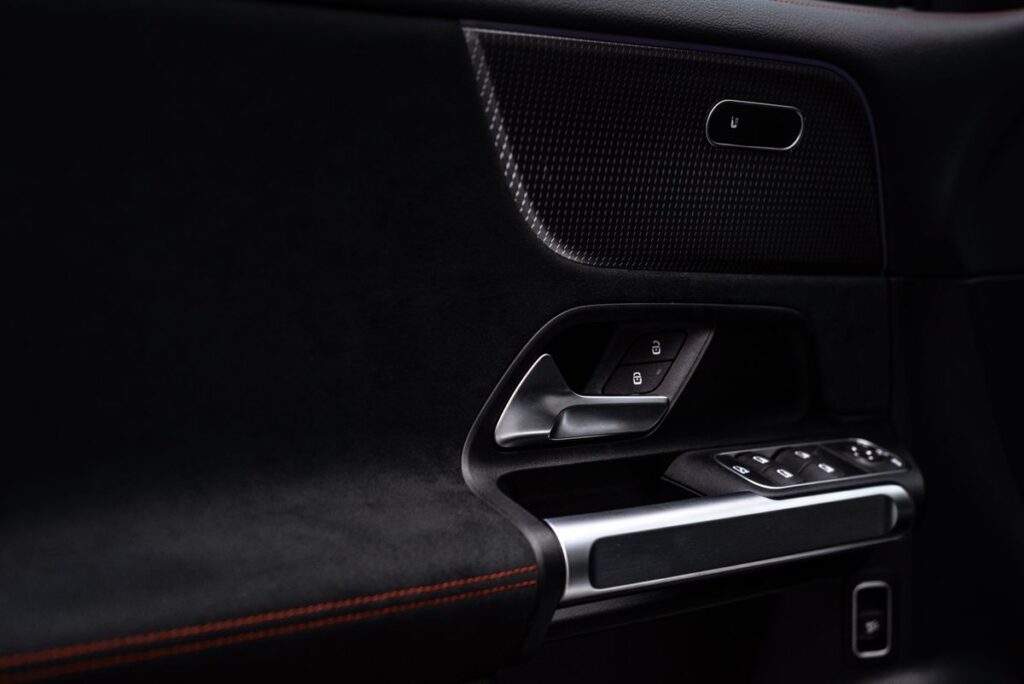
    Close-up of an interior car door handle

    Common Door Lock Actuator Symptoms

    The actuator is a small electric motor with plastic gears that moves the lock inside each door. On many newer cars it is built into the latch assembly.

    One Door Ignores the Fob and the Switch

    Every other door clicks, but one stays put, whether you use the remote or the armrest switch. The manual knob usually still works, because only the electric drive has failed.

    When a single door is the problem, the shared fuse and the fob are probably fine. That narrows it to the actuator in that door or the wiring that feeds it.

    Buzzing, Grinding or Clicking Inside the Door

    A buzz or grind when you press lock usually means the motor is spinning but the worn or stripped gears are not moving the lock. The noise often fades over a few weeks until the door goes silent.

    Power lock and window switches on a door armrest

    Slow, Weak or Intermittent Locking

    A healthy lock moves instantly. A tired actuator may lag behind the other doors, stop halfway, or work on the third press. Some lock but will not unlock, or the reverse.

    Locks That Cycle on Their Own

    Doors that lock and unlock by themselves can point to a failing actuator, an internal short or a damaged wire. A lock that keeps cycling can also run the battery down. If you keep finding a dead battery in the morning, our guide to why a car battery dies overnight explains how a drain is tracked down.

    Dome Light, Chime or Alarm Acting Up

    On many cars, the door ajar switch sits inside the latch next to the actuator. If it fails, you might see a door ajar warning with the door shut, a dome light that stays on, or an alarm that goes off by itself.

    Many of these switch faults start with water getting inside the actuator, which is why they often show up after a wet or freezing stretch of weather.

    What Else Can Stop One Door From Locking

    Not every lock problem is the actuator. Before buying parts, it helps to rule out these causes:

    • Key fob battery: a weak fob battery shortens range or makes the remote unreliable on every door. Try the spare fob first.
    • Fuse or relay: if no door locks at all, a shared fuse, relay or control module is more likely than four actuators failing at once.
    • Wiring in the door jamb boot: the wires that run through the rubber boot between the body and the door flex every time you open it. Over the years they can crack and cut power to that door.
    • A broken or binding latch: a seized latch or a loose linkage rod can stop the lock even when the motor is fine.
    Hatchback parked with its doors open

    If the window in that door also quit, see our guide on a power window not working and how to tell switch, motor or regulator.

    Symptoms Compared by Likely Cause and Urgency

    Use this table to match what you notice. A technician confirms the cause by checking for power at the actuator connector with the door panel off.

    SymptomLikely causeHow urgent
    Door will not latch or pops openBroken latch or linkageHigh Keep that seat empty and get it checked right away
    Locks cycle on their own or battery keeps dyingFailing actuator, short or damaged wiringSoon Get it checked within days
    Door ajar light or dome light stays on, false alarmsDoor ajar switch inside the latchSoon Get it checked within days
    One door silent with the fob and the switchActuator motor or wiring in the jamb bootModerate Plan a repair in the next few weeks
    Buzzing or grinding, lock barely movesWorn or stripped actuator gearsModerate Plan a repair in the next few weeks
    Fob works poorly on every doorWeak key fob batteryLow Replace the fob battery and retest
    Door lock actuator symptoms compared by likely cause and urgency

    Quick Checks You Can Do Safely

    These steps take a few minutes:

    1. Try the lock with the fob, the driver’s switch and the manual knob, and note which ones work.
    2. Stand next to the problem door and listen while someone presses lock. A buzz points to the actuator gears. Silence points to the motor or its wiring.
    3. Open the door and look at the rubber boot between the door and the body for cracks or pinched wires.
    Man standing at a car's open rear hatch

    Avoid spraying penetrating oil into the latch. It does not repair a worn motor or a broken gear.

    When a Door Won’t Latch, Treat It as Urgent

    A door that will not lock is a security problem. A door that will not stay latched is a safety problem, because it can swing open in a turn. Keep anyone, especially children, out of that seat until it is fixed.

    Door latches have been the subject of several safety recalls. Enter your VIN in the Check To Protect VIN recall lookup to see whether your car has an open recall before you pay for a latch.

    Door panel with handle and lock controls

    How Michigan Winters Affect Door Locks

    West Michigan weather is hard on door hardware. Wet springs and salty winter slush push moisture past worn weatherstrips, where it can corrode the actuator connector and the wiring in the jamb boot.

    Water inside the door can also freeze around the latch, and a weak actuator that works in July may stall at single digits. A quick look at door seals is worth adding to your winter car maintenance checklist each fall.

    Snow-covered car doors and windows

    Getting the Door Diagnosed

    A proper diagnosis means removing the door panel, checking the linkage and testing for power at the actuator. If power arrives and the lock does not move, the actuator is bad. If no power arrives, the fault is in the switch, wiring or module, and a new actuator would not help.

    Our car electrical repair in Grand Rapids covers body electronics like power locks on foreign and domestic vehicles. Hendrick Hoffman, our owner and head mechanic, is ASE and State of Michigan certified in electrical.

    Shopping for a used car? Test every door with the fob and the switch before you buy. Our used car buying checklist for Grand Rapids buyers covers the rest.

    Frequently Asked Questions

    What does a bad door lock actuator sound like?

    Usually a buzz, grind or rapid clicking from inside the door when you press lock or unlock. That means the motor runs but worn gears are not moving the lock. A completely silent door points to a dead motor or a wiring break.

    Can a bad door lock actuator drain the battery?

    It can. An actuator that keeps cycling, or a stuck door ajar switch that keeps the dome light or electronics awake, can drain the battery overnight.

    Is it the fuse or the actuator if only one door won’t lock?

    If the other doors work, the shared fuse is almost always fine. The cause is usually that door’s actuator or the wiring that runs through the door jamb boot.

    Why does my car door only fail to lock in cold weather?

    Cold thickens grease and can freeze moisture inside the door, so a worn actuator no longer has the strength to move the lock. It often fails completely soon after, so have it checked.

    Need power door lock repair in Grand Rapids? Call 456 AutoFix at 616-279-3832, Monday to Friday 8am to 5pm, or book through our contact page.

    Can’t make it during the day? Use our after-hours drop-off. We’re at 456 Carrier St NE in Creston.