456 Carrier St NE, Grand Rapids, MI 49505 Mon to Fri, 8:00am to 5:00pm. After-hours drop-off available 456autofix@gmail.com

Category: Engine, Electrical & Climate

  • Power Window Not Working? Switch, Motor or Regulator

    Power Window Not Working? Switch, Motor or Regulator

    A power window not working is usually one of four things: a lockout button, a fuse, a failed switch, or a worn motor or regulator inside the door. The way the window fails tells you which one.

    Quick answer

    Why is my power window not working?

    If every window is dead, check the lockout button, the fuse and battery voltage first. If one window is silent, suspect its switch or wiring. If you hear the motor run or grind but the glass doesn’t move, the regulator has usually failed. Never force a window that is frozen shut.

    Rain on a car side window

    Start Here: One Window or All of Them?

    A problem shared by several windows usually lives in a part they share. A problem in one door usually lives in that door.

    When the Passenger Windows Won’t Respond

    Look at the driver’s master switch for a window lock button, often marked with a crossed-out window. When it’s on, the passenger switches do nothing, but the driver can still move every window. It’s easy to bump, so press it and try again.

    When No Window Works at All

    Check the power window fuse or circuit breaker listed in your owner’s manual. If the fuse is fine, the master switch, a relay or a body control module may be at fault. A failing master switch can also kill every window at once, even though each door has its own switch.

    Mechanic working near the battery in an engine bay

    Voltage matters too. If all the windows crawl and the headlights look dim, the battery or charging system may be weak. Our guides to why a car battery dies overnight and bad alternator symptoms to watch for cover those problems.

    Switch, Motor or Regulator: Listen to the Door

    If only one window is affected, turn the key on, press its switch and put your ear near the door panel. What you hear points you to the part.

    Silence: Switch or Wiring

    Try the window from both the master switch and its own door switch. Haynes notes in its guide to window regulator vs motor diagnosis that if one switch works and the other doesn’t, the fault is in the control circuit, not the motor.

    Silence from both switches can still be wiring. Wires in the rubber boot between door and body flex with every opening and can crack. Salty water also corrodes door connectors.
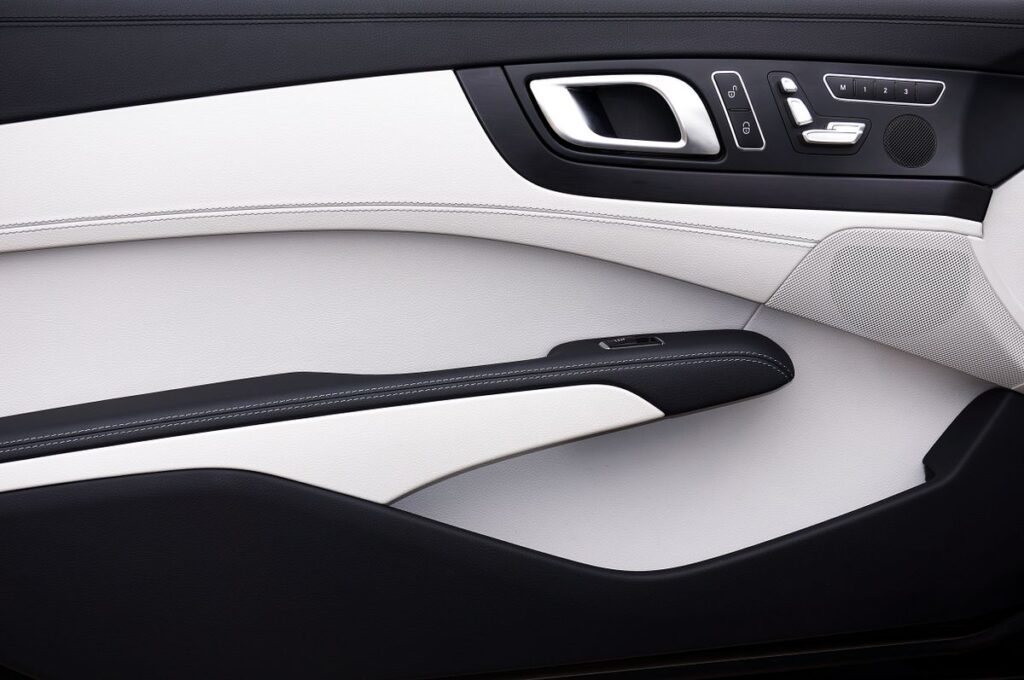
    White interior door panel with handle and switches

    Slow, Then Nothing: A Tired Motor

    A window motor often fades rather than quitting overnight. The glass moves slower each week, stops partway, or only works after a few presses. If a tap on the door panel gets it going, the motor is near the end.

    Clicking or Grinding: The Regulator

    The regulator is the track, cable and pulley mechanism that actually lifts the glass. Many modern regulators use a thin steel cable over plastic pulleys and clips. When the cable frays or a pulley cracks, you hear the motor spin, click or grind while the glass stays put or moves crooked.

    Other regulator signs include glass that tilts, shudders, hesitates near the top, or rattles when you shut the door.

    The Window Fell Into the Door

    If the glass suddenly drops with a bang, a regulator cable has usually snapped or a clip holding the glass has broken. Stop pressing the switch. Running the motor against a broken regulator can tangle the cable and make the repair harder.
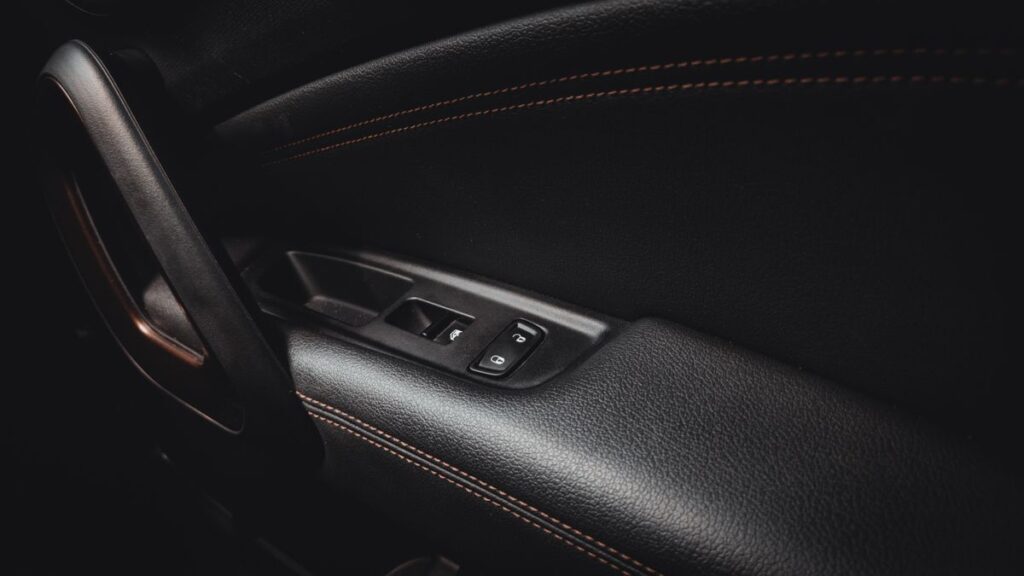
    Door trim with window and lock switches

    Power Window Not Working: Symptoms Compared

    Use this table to match what you see and hear. Only a hands-on test confirms the cause.

    SymptomLikely partHow urgent
    Window stuck open or dropped into the doorRegulator cable or glass clipHigh Secure the opening and book a repair right away
    Motor runs, clicks or grinds, glass doesn’t moveRegulatorSoon Stop using the window and get it checked within days
    Window slows down, then stops partwayWindow motorSoon Fix it before it quits with the glass down
    One window silent from one switch onlyDoor switch or master switchModerate Plan a repair in the next few weeks
    No window works at allFuse, master switch, relay or wiringModerate Check the lockout and fuse, then book a diagnosis
    Auto-up stopped working after battery workNeeds a resetLow Try the reset in your owner’s manual
    Power window symptoms compared by likely part and urgency

    Frozen Windows in Michigan Winters

    Grand Rapids winters are hard on regulators. Freezing rain and wet snow glue the glass to the rubber seal, and pressing the switch makes the motor pull against the ice. Something has to give, usually the regulator cable or a plastic pulley.

    When a window feels stuck on a cold morning, follow these steps:

    • Let go of the switch the moment the window doesn’t move.
    • Start the car and run the heat and defroster until the ice softens.
    • Use a de-icer spray on the outside seal if you have one.
    • Never pour hot water on the glass or pry it with a scraper.
    Frost covering a car side mirror

    Treating the seals with a silicone spray in the fall helps, and it belongs on your winter car maintenance checklist.

    Auto-Up Stopped Working? Try a Reset

    Many cars lose their one-touch window function after the battery is disconnected, replaced or run flat. The window still moves while you hold the switch, but it won’t go all the way on one press. The window simply forgot where its top and bottom are.

    The usual fix is to lower the window fully, then raise it and keep holding the switch for a few seconds after it closes. Steps vary by make and some cars need each window done separately, so check your owner’s manual. Get this right, because the reset also restores the auto-reverse feature that stops the glass if it meets a hand or arm.

    Safer power window switches and auto-reverse became standard because closing windows injured children. If a reset doesn’t restore both features, have it checked.

    If the Window Won’t Close

    A window stuck open is a security and weather problem, especially with snow or rain in the forecast. Park in a garage if you can. Otherwise, cover the opening from the outside with heavy plastic sheeting and painter’s tape, which comes off paint more cleanly than duct tape.

    Frost on the windows of an old rusted car

    Pushing the glass up by hand may get you through one trip, but forcing loose glass can crack it or bend the track. Keep valuables out of sight until it’s fixed.

    Getting a Power Window Diagnosed

    A proper diagnosis tests power and ground at the switch and motor before anything is replaced, so you don’t buy a motor when the fault was a cracked wire. Our car electrical repair in Grand Rapids covers body electronics like window switches, motors, regulators and wiring on foreign and domestic vehicles.

    Hendrick Hoffman, our owner and head mechanic, is ASE and State of Michigan certified in electrical. If a door lock in the same door is also acting up, our guide to door lock actuator symptoms explains that separate part.

    Frequently Asked Questions

    Is it the window motor or the regulator?

    If the motor runs, clicks or grinds but the glass doesn’t move, it is usually the regulator. A silent window, or one that slows before quitting, points to the motor, switch or wiring.

    Why does only one power window not work?

    A single dead window usually points to that door’s switch, motor, regulator or wiring. If only the passenger windows are dead, check the window lock button first.

    Can a frozen window break the regulator?

    Yes. When the glass is frozen to the seal, holding the switch makes the motor pull against the ice, which can snap a regulator cable or crack a pulley. Warm the car and let the ice soften first.

    Why did my auto-up window stop working after a battery change?

    Many cars lose the window’s position memory when power is cut. Lowering it fully, then raising it and holding the switch a few seconds usually resets it.

    Need power window or car electrical repair in Grand Rapids? Call 456 AutoFix at 616-279-3832, Monday to Friday 8am to 5pm, or book through our contact page.

    Can’t make it during the day? Use our after-hours drop-off. We’re at 456 Carrier St NE in Creston.

  • Car Hesitates When Accelerating? 7 Common Causes

    Car Hesitates When Accelerating? 7 Common Causes

    When a car hesitates when accelerating, the engine is not getting the spark, air or fuel it needs at the moment you ask for power. You press the gas and the car stumbles or bogs before it finally pulls.

    Most causes are fixable and many give early warnings. A few, like a misfire that makes the check engine light flash, need attention right away.

    Quick answer

    Why does my car hesitate when I press the gas?

    The most common causes are worn spark plugs or a failing ignition coil, a dirty mass airflow sensor, a vacuum leak, weak fuel delivery, a dirty throttle body or faulty sensor, a clogged catalytic converter, or carbon buildup on direct-injection engines. Reading the stored codes is the fastest way to narrow it down.

    Car on a curved highway near a merge sign

    What Hesitation Feels Like (and When It Happens)

    The words you use help a mechanic. A stumble is a brief miss or shudder as you press the pedal. A bog is a heavy, lazy pull where the engine seems to choke before it catches up.

    A flat spot is a dead zone at one point in the pedal travel. A jerk or surge is power that cuts in and out. Note when it happens, too:

    • From a stop: often air metering, throttle or vacuum leak problems.
    • Uphill or at highway speed: often weak ignition or fuel delivery.
    • Only when cold: often a weak coil, a leaky vacuum hose or carbon on intake valves.

    7 Common Reasons a Car Hesitates When Accelerating

    Your engine needs a strong spark, the right amount of air and the right amount of fuel. Anything that upsets that balance shows up first when demand rises, which is why hesitation appears on acceleration rather than at a steady cruise.

    1. Worn Spark Plugs or Failing Ignition Coils

    Worn plugs need more voltage to fire, and a weak coil cannot always supply it under load. The result is a misfire: one cylinder skips, and you feel a stumble or shudder, often worst when climbing a hill.

    If the check engine light flashes while the car stumbles, the misfire can damage the catalytic converter. Our guide to what a flashing check engine light means explains why you should ease off and get it checked.

    Cluttered auto workshop with tools and equipment

    2. A Dirty Mass Airflow Sensor

    The mass airflow (MAF) sensor measures incoming air so the computer can add matching fuel. Parts maker Hella’s air mass sensor guide notes that a sensor delivering incorrect airflow values can cause a loss of power and a poor driving experience, and it recommends replacing a dirty sensor rather than cleaning it. When dirt on the sensing element makes it under-read airflow, fuel does not rise enough on acceleration, and the engine hesitates or stumbles.

    A badly clogged engine air filter can add to the problem, so check it first.

    3. A Vacuum Leak

    A cracked hose, a loose intake boot or a failed PCV valve lets in air the sensor never measured. The engine runs lean, which often shows as a rough idle plus a stumble from a stop. You may hear a hiss under the hood.

    4. Weak Fuel Delivery

    A clogged fuel filter, a tired fuel pump or dirty injectors can supply enough fuel at idle but not when you floor it. The car may feel fine around town, then bog or surge when merging. Fuel pressure testing separates this from an ignition problem.

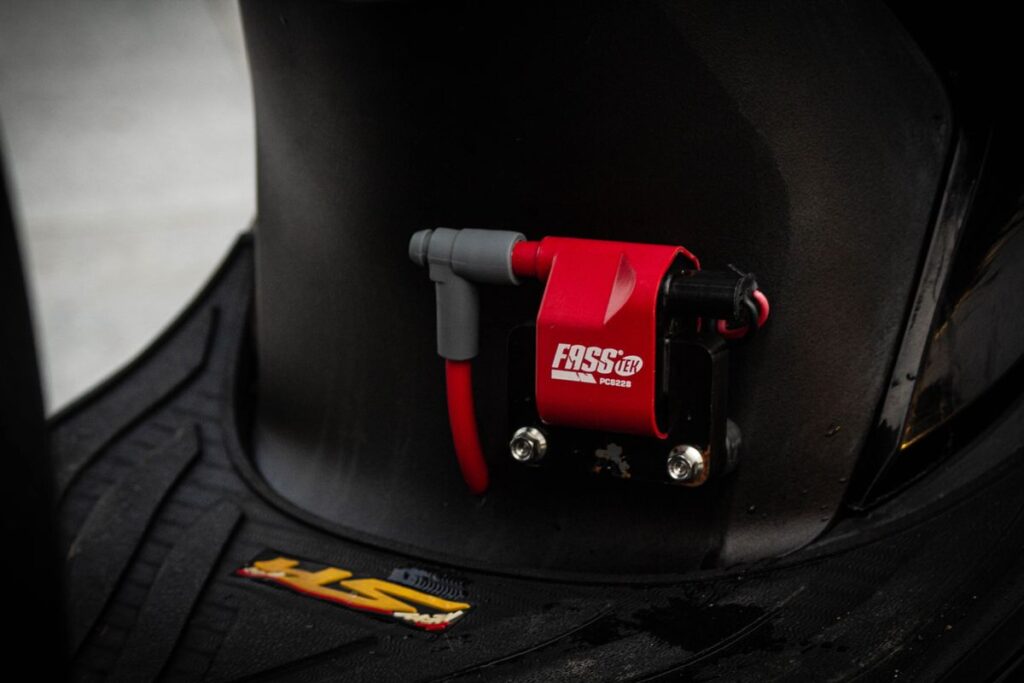
    Red ignition coil mounted in an engine bay

    5. A Dirty Throttle Body or Faulty Sensor

    Carbon around the throttle plate disturbs airflow just off idle, giving a flat spot as you first press the pedal. A worn throttle position sensor can send erratic pedal signals that cause jerks or surges. An aging oxygen (O2) sensor can also skew the fuel mixture, and sensor faults usually set a code.

    6. A Clogged Catalytic Converter

    If the converter’s honeycomb melts or plugs, exhaust cannot get out fast enough. The car feels gutless under load and may get weaker the longer you drive. Our post on bad catalytic converter symptoms covers the smells and codes that go with it.

    Car speeding past on a road in motion blur

    7. Carbon Buildup on Direct-Injection Engines

    Direct-injection engines spray fuel straight into the cylinder, so nothing washes the intake valves. Carbon slowly builds on them, causing cold-start misfires and hesitation. Many Audi owners meet this one, and our guide to Audi carbon buildup symptoms goes into detail.

    Hesitation Causes Compared by Clue and Urgency

    Use this table to match what you feel. Only a code scan and testing can confirm the faulty part.

    Likely causeTypical clueHow urgent
    Severe misfire (plugs or coils)Stumble with a flashing check engine lightHigh Ease off and get it checked right away
    Clogged catalytic converterGutless under load, weaker as you driveHigh Book an inspection right away
    Weak fuel deliveryBogs or surges when mergingSoon Get it checked within days
    Worn plugs or weak coil (light not flashing)Occasional miss under load or when coldSoon Get it checked within days
    Vacuum leakRough idle, stumble from a stop, hissingModerate Plan a repair in the next few weeks
    Dirty MAF, air filter, throttle body or sensorLazy pull or flat spot just off idleModerate Plan a repair in the next few weeks
    Direct-injection carbon buildupCold-start misfire, slow loss of powerLow Plan it at your next service visit
    Car hesitates when accelerating: likely cause, typical clue and urgency

    Could It Be the Transmission?

    Sometimes what feels like hesitation is the transmission. Watch the tachometer. With an engine problem, rpm and speed both lag. With a slipping transmission or failing torque converter, rpm flares but the car does not speed up to match.

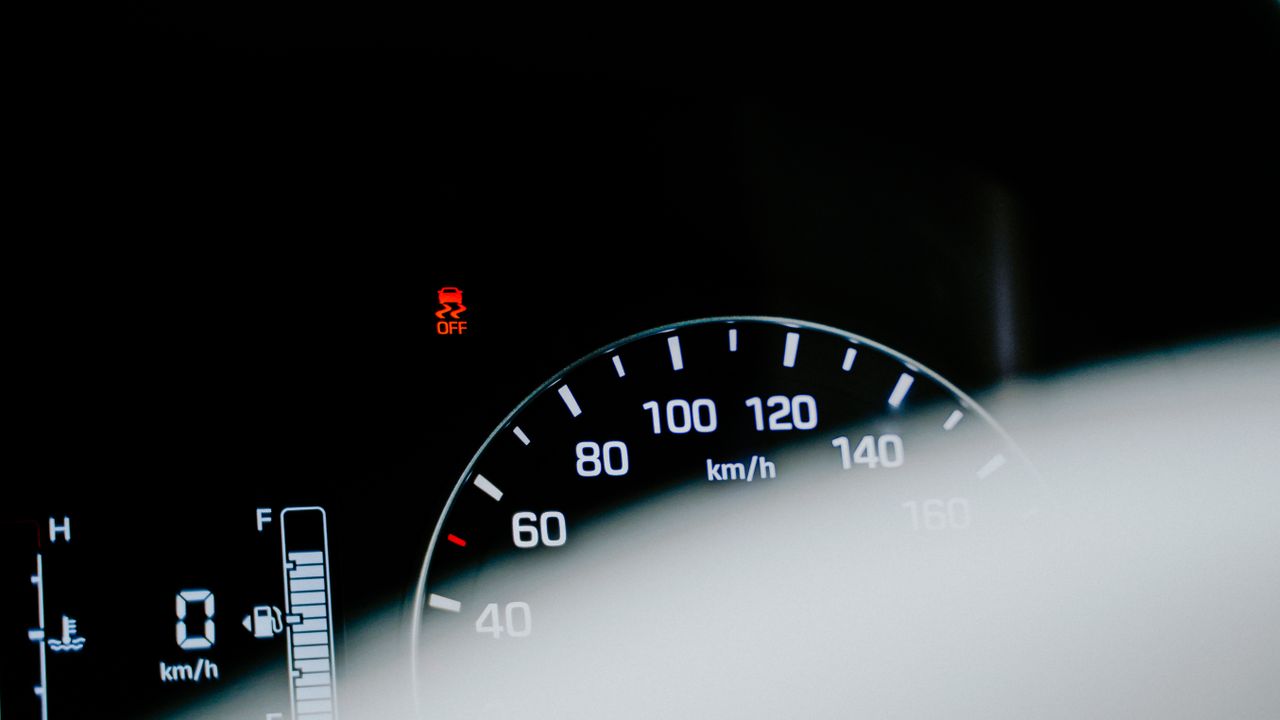
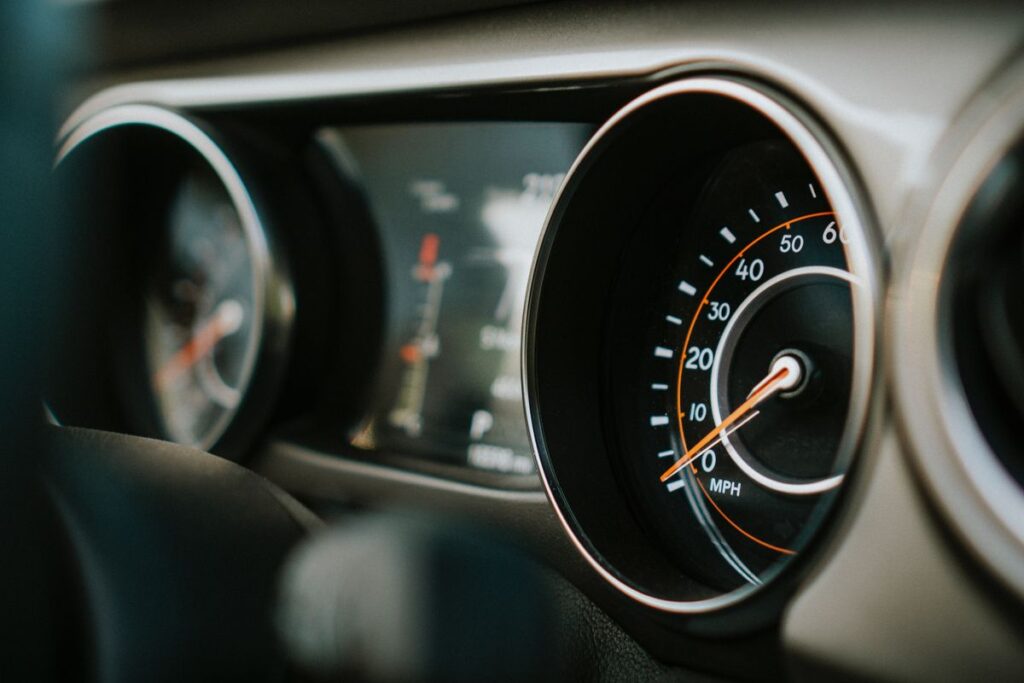
    Speedometer and gauges on a car dashboard

    Transmission repair is not one of our services, so it is worth ruling out early. A code scan and test drive usually show whether the trouble is in the engine or the gearbox, so you know where to take it next.

    Why Reading Codes Comes First

    The engine computer watches every cylinder and sensor, and it often stores a fault before the check engine light comes on. These pending codes, plus live data like fuel trims and misfire counts, point to the system at fault before any parts are replaced.

    A code is a starting point, not a final answer. A misfire code names the cylinder but not whether the plug, coil or injector is to blame. If your light is on but the car drives normally, our guide to a check engine light on but car runs fine covers that situation.

    Mechanic working on a car engine with the hood open

    West Michigan winters add a twist. Cold starts and damp air expose weak coils and brittle vacuum hoses, so a car that hesitates when accelerating on a January morning may feel fine by afternoon.

    Getting Hesitation Diagnosed in Grand Rapids

    Our check engine light diagnostic in Grand Rapids starts with a code scan and live data, then tests the suspect parts on foreign and domestic vehicles. Hendrick Hoffman, our owner and head mechanic, is ASE and State of Michigan certified in engine tune-up, engine repair and electrical.

    Plugs, filters and sensors wear on a schedule, so keeping up with factory scheduled maintenance in Grand Rapids catches many causes early.

    Frequently Asked Questions

    Can spark plugs cause hesitation?

    Yes. Worn or fouled plugs can misfire under load, which you feel as a stumble when you accelerate. A weak ignition coil can cause the same feel.

    Why does my car hesitate but the check engine light is off?

    The computer can store pending codes before it turns on the light, and some faults stay within limits for a while. A code scan with live data can still find them.

    Is it safe to drive a car that hesitates?

    A mild, occasional hesitation is usually safe to drive carefully to an appointment. If the check engine light flashes or the car loses power in traffic, stop driving and have it checked.

    Why does my car hesitate only when it is cold?

    Weak ignition coils, vacuum hoses that seal once warm, and carbon on direct-injection intake valves all show up most on cold starts. Mention that pattern when you book.

    Need a check engine light diagnostic in Grand Rapids? Call 456 AutoFix at 616-279-3832, Monday to Friday 8am to 5pm, or book through our contact page.

    Can’t make it during the day? Use our after-hours drop-off. We’re at 456 Carrier St NE in Creston.
  • Car Windows Fogging Up Inside? Causes and Fixes for Michigan Winters

    Car Windows Fogging Up Inside? Causes and Fixes for Michigan Winters

    Car windows fogging up inside is one of the most common winter complaints we hear in Grand Rapids. You climb in on a cold morning, start the heater, and the windshield turns milky right when you need to see the road.

    Usually it is simple physics and the wrong settings. Sometimes, though, stubborn fog points to a heating or A/C fault. Here is how to tell the difference.

    Quick answer

    Why do car windows fog up inside in winter?

    Warm, moist cabin air hits glass that is colder than its dew point, so the moisture condenses on the inside. To clear it, turn on defrost with the A/C on, choose fresh air instead of recirculate, and raise the heat. Fog with a sweet smell or greasy film can mean a heater core leak.

    Why Car Windows Fog Up Inside

    Air always carries some water vapor. The National Weather Service defines the dew point as the temperature air must be cooled to before it becomes saturated. When cabin air touches glass colder than that, the extra water comes out as tiny droplets on the window.

    In winter the glass is chilled by the outside air, while the cabin fills with warm, damp air from your breath and the heater. That gap is why the inside of the windshield fogs on cold mornings and during long drives with passengers.

    Water droplets on a car windshield

    Where the Extra Moisture Comes From

    In a Michigan winter, a car collects water fast. The usual sources are:

    • Snow and slush carried in on boots, which melt into the carpet
    • Soaked floor mats that stay wet for days in a cold car
    • Wet coats, gloves, hats and umbrellas
    • Breathing, especially with several people on board
    • Hot coffee and spilled drinks

    Once the carpet is damp, every warm drive lifts more water into the air, so fog can get worse through the season.

    Driver's sneakers on a car floor mat

    How to Defog Your Windshield Fast

    The goal is to dry the air and warm the glass at the same time. This routine works in most cars:

    1. Select the windshield defrost setting and turn the fan up high.
    2. Turn the A/C on. Even in winter, the A/C pulls water out of the air as it passes the cold evaporator, and the heater then warms that dry air. Many cars do this automatically in defrost mode.
    3. Switch off recirculation so the system pulls in drier outside air instead of recycling damp cabin air.
    4. Raise the temperature once the engine is warm, so the glass heats up and stops collecting water.
    5. Crack a side window for a minute if the fog is heavy, to let humid air escape.

    Wiping with a sleeve leaves streaks and oil that make the next fog worse. Keep a microfiber cloth handy instead.

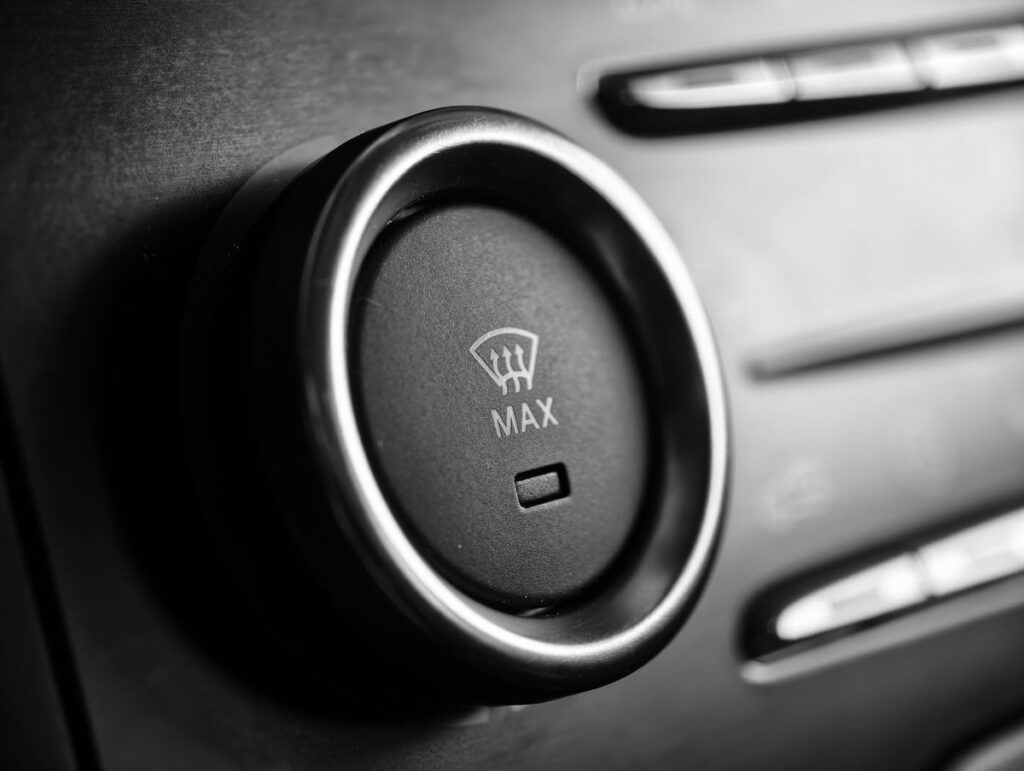
    Windshield defrost MAX button on a climate panel

    How to Keep Your Windows From Fogging Again

    A few habits cut down on fog all winter long:

    • Knock snow off your boots before you get in.
    • Use rubber floor mats and empty the melted slush often. Bring soaked carpet mats inside to dry.
    • Clean the inside of the glass. Dirt and the film from vinyl dashboards give water droplets something to cling to.

    When Fogging Points to a Problem

    If you use the right settings and the glass still won’t clear, or the fog keeps coming back on dry days, look for one of these faults.

    A Leaking Heater Core

    The heater core is a small radiator behind the dashboard that hot engine coolant flows through. When it leaks, coolant vapor blows out of the vents and settles on the windshield as a greasy, smeary film that is hard to wipe off. You may notice a sweet, syrupy smell and a damp carpet on the passenger side.

    Other clues include a coolant level that keeps dropping and a heater that runs lukewarm. Our guide to a car heater blowing cold air covers that side of it. Don’t ignore a heater core leak: breathing coolant vapor is unpleasant, and low coolant can lead to engine overheating.

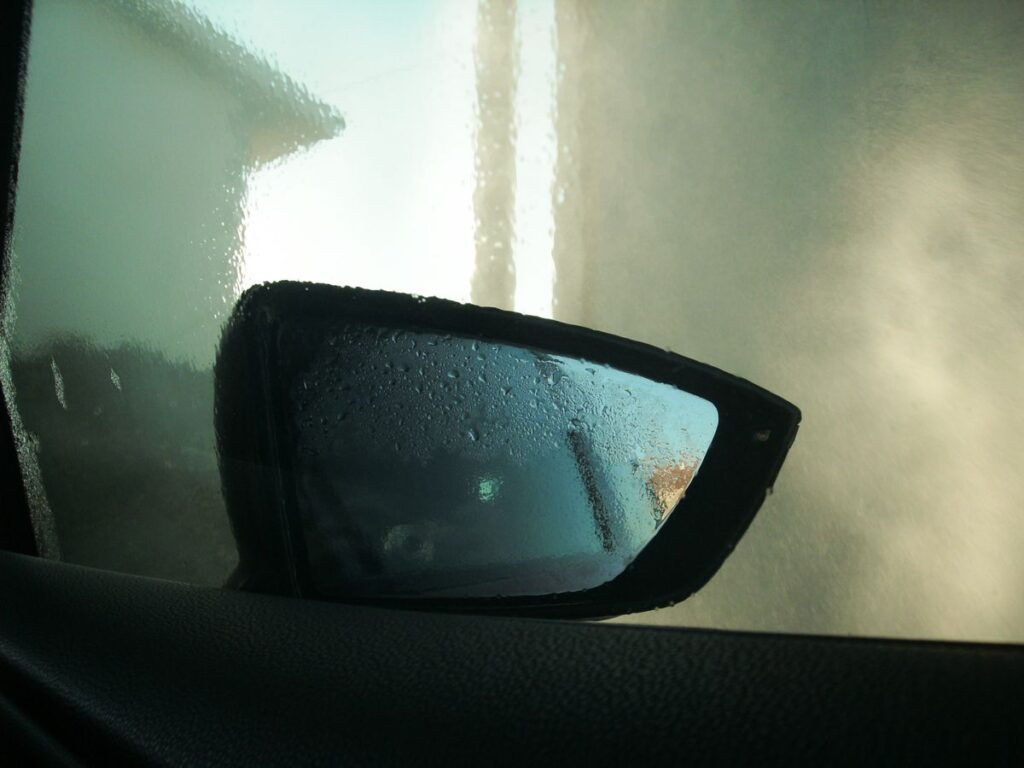
    Side mirror seen through a fogged side window

    An A/C Compressor That Won’t Engage

    Your defroster relies on the A/C to dry the air. If the compressor doesn’t kick on, because the refrigerant is low or there is an electrical fault, the system just blows warm, wet air at cold glass. One clue: the A/C light comes on, but you never hear the compressor click on.

    If the A/C also struggled last summer, read our post on a car AC blowing warm air. The same fault often shows up as stubborn winter fog.

    A Clogged Cabin Air Filter

    The cabin filter cleans the air coming into the car. When it is packed with leaves and dirt, airflow to the windshield drops, so the glass clears slowly. A damp filter can also add moisture and a musty smell. Your owner’s manual lists the replacement interval for your car.

    Blocked Drains or Leaking Seals

    Cars have drains under the cowl at the base of the windshield and a drain tube for the A/C evaporator. When leaves or debris plug them, water can collect and get drawn into the fresh air intake, or drip onto the floor. Worn door and window seals let melting snow seep in the same way. Wet carpet that keeps coming back usually means a drain or seal problem.

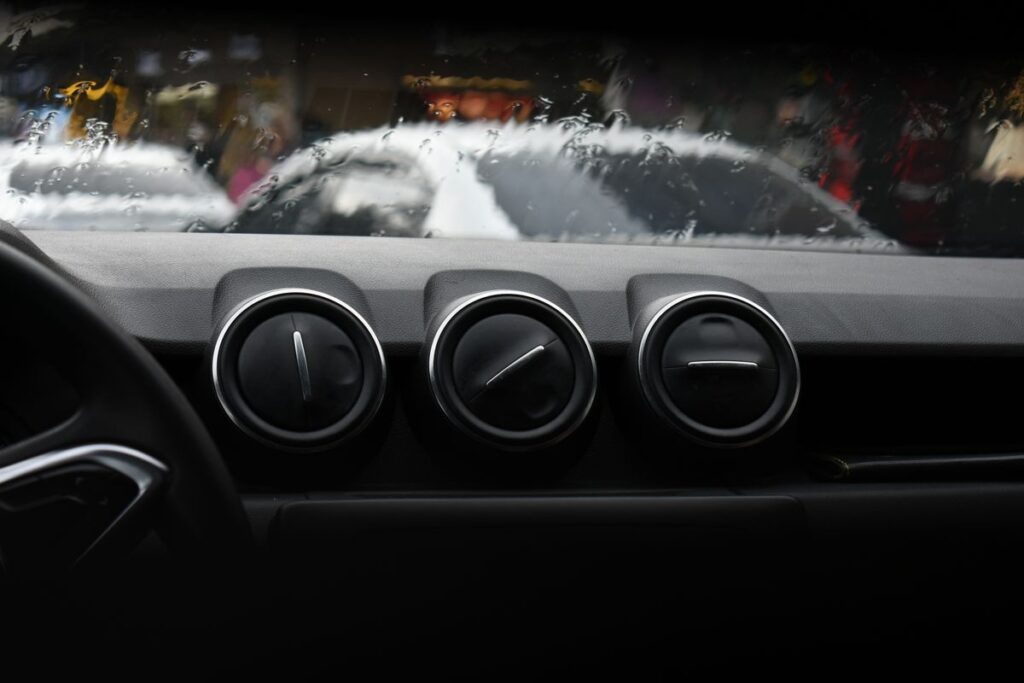
    Dashboard vents in front of a frosty windshield

    Car Windows Fogging Up Inside: Normal or Needs a Check?

    Use this table to match what you see. A hands-on inspection is the only way to confirm a leak.

    What you noticeLikely causeHow urgent
    Greasy film, sweet smell, wet passenger carpetHeater core leaking coolantHigh Have it checked right away
    Fog plus a falling coolant levelCoolant leak in the heater core or engineHigh Check before more driving
    Fog won’t clear with A/C on and fresh airA/C compressor not engaging, low refrigerantSoon Book a check this week
    Carpet wet again and again, musty smellBlocked drains or leaking door sealsSoon Find the leak before mold sets in
    Weak airflow from the ventsClogged cabin air filterModerate Replace the filter soon
    Light fog on a cold start that clears in minutesNormal condensationLow Use the defrost routine above
    Car windows fogging up inside: normal causes vs faults, compared by urgency

    Winter Visibility in Grand Rapids

    West Michigan winters bring lake-effect snow, slush and road salt. A salty haze outside the windshield plus fog inside can leave you nearly blind at dusk.

    The National Weather Service winter driving preparation tips suggest checking your wipers and antifreeze and clearing snow and ice off the whole car before you drive. Add the heater, defroster and A/C to your winter car maintenance checklist so you find problems before the first cold snap.

    Driver in a winter hat driving on a snowy road

    If your windows still fog with the right settings, our car heater and A/C repair in Grand Rapids covers heating and A/C problems on foreign and domestic vehicles. Hendrick Hoffman, our owner and head mechanic, is ASE and State of Michigan certified in heating and air conditioning.

    Frequently Asked Questions

    Why do my windows fog up when the heater is on?

    The heater warms the cabin air, and warm air holds more moisture from wet mats and breath. If the A/C is off or recirculation is on, that moisture lands on the cold glass. A greasy film and sweet smell point to a heater core leak instead.

    Is it safe to drive with a leaking heater core?

    It is not a good idea for long. Coolant vapor coats the windshield and is unpleasant to breathe, and the leak lowers the coolant level, which can lead to overheating. Have it inspected right away.

    Why do my car windows fog up overnight when parked?

    Moisture from wet mats, snow and your last drive stays trapped inside. As the car cools overnight, the glass drops below the dew point and the water condenses. Drying the carpet and running fresh air before parking helps.

    Need car heater or A/C repair in Grand Rapids? Call 456 AutoFix at 616-279-3832, Monday to Friday 8am to 5pm, or book through our contact page.

    Can’t make it during the day? Use our after-hours drop-off. We’re at 456 Carrier St NE in Creston.
  • Check Engine Light On but Car Runs Fine? Here’s What It Usually Means

    Check Engine Light On but Car Runs Fine? Here’s What It Usually Means

    A check engine light on but car runs fine is one of the most common things drivers ask us about. The engine starts, idles smoothly and pulls normally, yet the amber light stays on.

    A steady light usually points to a sensor or emissions fault, not a breakdown in progress. Still, “runs fine” does not mean “nothing wrong.” Here is what it usually means and how soon to act.

    Quick answer

    Is it OK to drive when the check engine light is on but the car runs fine?

    Usually yes, for a short time, if the light is steady and not flashing. Common causes are a loose gas cap, an EVAP leak, an oxygen or airflow sensor, a small vacuum leak, a tired catalytic converter or a thermostat stuck open. Have the code read and diagnosed within a week or two.

    Man driving with both hands on the wheel

    Solid or Flashing: Know Which Light You Have

    Your car’s computer runs constant self-tests on the engine and emissions system. When one test fails on more than one drive, it stores a trouble code and turns on the light. A solid light means “a test failed, get it checked.”

    A blinking light is a different situation. It usually signals an active misfire that can overheat the catalytic converter, and you should ease off and get the car looked at right away. Our guide to a check engine light flashing while driving covers that case. Everything below is about the steady light.

    If the temperature needle climbs or you smell raw fuel, the car is no longer “running fine.” Pull over safely and switch it off.

    Check Engine Light On but Car Runs Fine: 6 Common Causes

    Most symptomless codes come from the emissions side of the engine. These are the usual suspects.

    1. A Loose Gas Cap or Small EVAP Leak

    The evaporative emissions (EVAP) system traps fuel vapor so it doesn’t escape into the air. A cap that wasn’t clicked shut, a worn cap seal, a cracked vapor hose or a sticking purge valve all show up as a leak. You won’t feel any of these from the driver’s seat.

    If you just filled up, tighten the cap until it clicks. The light will not go off right away, because the system has to pass its leak test again over several days of normal driving.

    Hand holding a fuel nozzle at the filler neck

    2. An Aging Oxygen Sensor

    Oxygen (O2) sensors in the exhaust tell the computer how rich or lean the engine is running. As they age they react more slowly, and the computer compensates by adding fuel. The car feels normal, but you may notice a few more trips to the pump.

    3. A Dirty Mass Airflow Sensor

    The mass airflow (MAF) sensor measures the air coming into the engine. Dust or oil from an over-oiled aftermarket filter can throw its reading off. Early on the engine adjusts, and later you might notice slight hesitation.

    4. A Small Vacuum Leak

    Rubber hoses and intake gaskets harden and crack with age, and West Michigan’s cold starts speed that up. A small crack lets in air the sensors didn’t measure, which sets a “system lean” code. A big leak causes a rough idle or a hiss, but a small one often causes nothing you can feel.

    Engine with a chrome air cleaner and hoses

    5. Catalytic Converter Efficiency Below Threshold

    A downstream O2 sensor checks whether the catalytic converter is still cleaning the exhaust. When it isn’t working as well as it should, the computer sets an efficiency code. The car drives the same, but this code often has an upstream cause, such as old misfires, oil burning or an exhaust leak, so it is worth finding out why.

    6. A Thermostat Stuck Open

    If the thermostat sticks open, the engine takes too long to reach normal temperature and the computer flags it. The only clues are a temperature gauge that sits low and weak heat on cold mornings. Our post on a car heater blowing cold air in winter explains how the two problems connect.

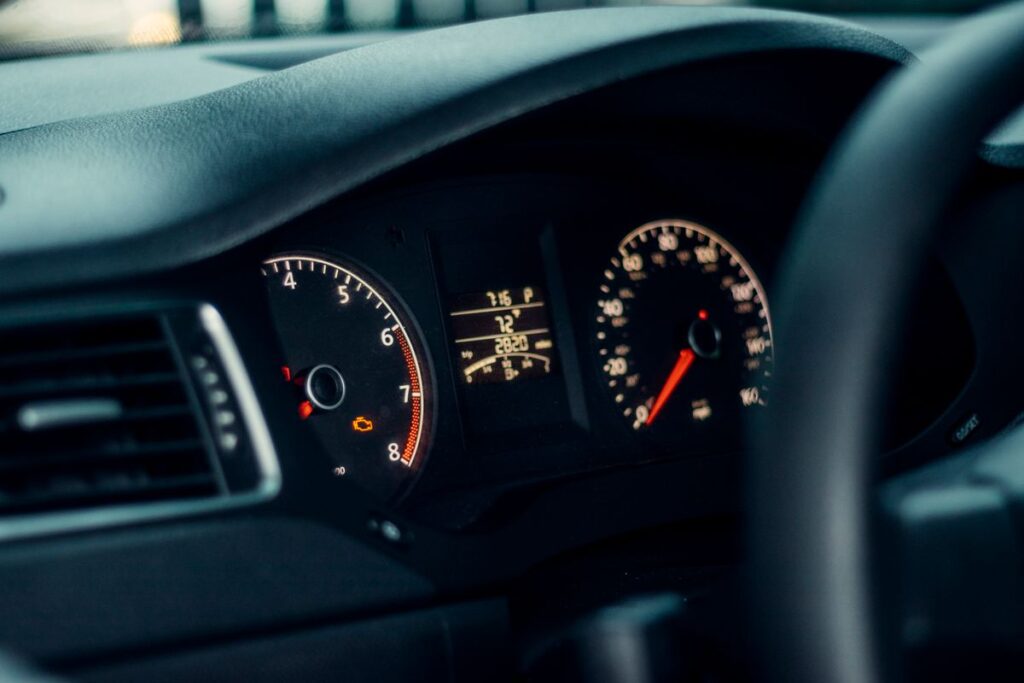
    Instrument cluster with the temperature gauge and tachometer

    Cause, What You Might Notice and How Urgent

    Use this table as a rough guide. Only testing can confirm which cause you have.

    Likely causeWhat you might noticeHow urgent
    Catalytic converter efficiency codeUsually nothing; sometimes a sulfur smell or weak acceleration laterSoon Find the root cause before the converter is ruined
    Thermostat stuck openLow temperature gauge, weak heat, lower mileageSoon Fix before winter driving
    Small vacuum leakNothing, or a faint hiss and slightly uneven idleModerate Book a diagnosis in the next week or two
    Oxygen sensorGradually worse fuel economyModerate Book a diagnosis in the next week or two
    Dirty MAF sensorNothing yet, later hesitation or rough idleModerate Have it tested soon
    Loose gas cap or EVAP leakNothing, sometimes a faint fuel smellLow Tighten the cap, recheck after a few days
    Check engine light on but car runs fine: likely causes compared by symptoms and urgency

    Why “Runs Fine” Can Still Cost You

    The U.S. Department of Energy’s fueleconomy.gov vehicle maintenance tips note that the light can come on for something as minor as a loose gas cap. It also warns that a more serious problem could reduce fuel economy, increase emissions or lead to costly repairs later.

    That is the real risk of ignoring a steady light. A lazy sensor or lean condition makes the engine burn more fuel, and an engine running rich for months can overheat and clog the catalytic converter. A small problem becomes a larger one quietly.

    Fuel nozzle in a car's filler neck

    Basic maintenance matters here too. On some engines, low or worn-out oil can set variable valve timing codes, so stay on top of how often to change your oil. Rust-belt exhaust systems also crack near the sensors, and our guide to exhaust leak symptoms on salted Michigan roads shows how a leak can fool an O2 sensor.

    A Code Read Is Not the Same as a Diagnosis

    Many parts stores will read your code. That is a helpful first step: it tells you which self-test failed, not which part failed.

    An oxygen sensor code, for example, can come from the sensor itself, a vacuum leak, an exhaust leak or a fuel delivery issue. Replacing parts based on the code alone is how drivers end up buying a sensor and still seeing the light a week later.

    Mechanic using a diagnostic tablet connected to a car

    A proper diagnosis looks at freeze-frame data, live sensor readings and fuel trims, then tests the suspect part or hose directly. That is what our check engine light diagnostic in Grand Rapids does, on foreign and domestic vehicles. Hendrick Hoffman, our owner and head mechanic, is ASE and State of Michigan certified in engine repair, engine tune-up and electrical.

    At home, check the gas cap, note when the light came on and watch the temperature gauge. Leave clearing the code to whoever diagnoses it.

    Frequently Asked Questions

    Can a loose gas cap turn on the check engine light?

    Yes. A cap that isn’t tightened or has a worn seal lets fuel vapor escape, and the EVAP system flags it as a leak. Tighten it until it clicks and give the car a few days of normal driving to recheck.

    Will the check engine light turn off by itself?

    Sometimes. If the fault was temporary, like a loose cap, the light usually goes out after the system passes its self-test over several drives. If it stays on or keeps coming back, the fault is still there.

    How long can I drive with a solid check engine light?

    If the light is steady and the car drives, idles and holds temperature normally, short-term driving is usually fine. Plan to have it diagnosed within a week or two. If it starts flashing or the engine overheats, stop driving.

    Should I clear the code myself?

    It is better not to. Clearing the code erases the freeze-frame data a mechanic uses to find the cause, and the light will return if the fault is still there. Write the code down if you have it read.

    Need a check engine light diagnosis in Grand Rapids? Call 456 AutoFix at 616-279-3832, Monday to Friday 8am to 5pm, or book through our contact page.

    Can’t make it during the day? Use our after-hours drop-off. We’re at 456 Carrier St NE in Creston.

  • Bad Alternator Symptoms: How to Tell It’s Not Just the Battery

    Bad Alternator Symptoms: How to Tell It’s Not Just the Battery

    A dead battery gets blamed for many problems that are really the alternator. Knowing the bad alternator symptoms can save you from buying a battery that dies again a week later.

    The alternator charges the battery and powers the electrical system while the engine runs. When it fails, the warning signs usually show up on the road.

    Quick answer

    How can you tell a bad alternator from a bad battery?

    A bad battery usually causes slow cranking or a click when you start the car. A bad alternator shows up while driving: a battery light, dim or flickering lights, electrical glitches, a whine, or a car that dies right after a jump-start. A running voltage below about 13.5 volts points to the alternator.

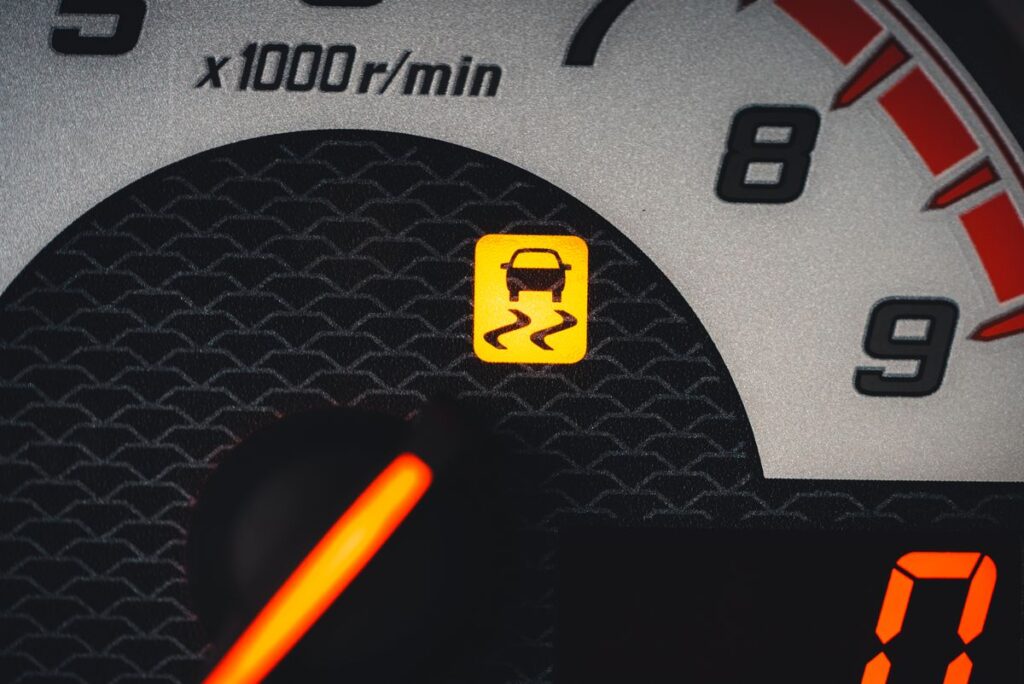
    Dashboard warning light lit on the instrument cluster

    7 Bad Alternator Symptoms to Watch For

    A belt from the engine spins the alternator, and a voltage regulator and diodes turn that into steady charging power. Worn bearings, a weak regulator or a failed diode each give slightly different signs.

    1. The Battery or Charging Light Comes On

    The battery-shaped light on your dash is really a charging system light. It comes on when voltage drops too low or climbs too high, so a flickering or steady light while driving often points to the alternator. Some cars show “ALT” or “GEN” instead.

    2. Dim or Flickering Lights

    Headlights that dim at idle and brighten when you rev the engine are a classic sign. So are dash lights that pulse or fade when you switch on the heater fan or rear defroster. The alternator can no longer keep up with the load.

    3. Electrical Glitches

    Low or unstable voltage makes electronics act strangely. Power windows move slowly, the radio resets, gauges jump around, or several unrelated warning lights come on at once.

    Cars parked in a lit parking lot at night

    4. Whining, Growling or Grinding

    A high-pitched whine that rises with engine speed can come from the alternator’s internals. A growl or grind usually means worn bearings. A squeal on cold starts is more often a slipping belt, which also cuts charging output.

    If the whine gets louder when you turn the steering wheel, the source may be the pump instead. Our guide to power steering whining noise causes helps you tell the two apart.

    5. A Burning or Hot Electrical Smell

    An overworked alternator can overheat its wiring, and a slipping belt can smell like hot rubber. An electrical or ozone-like smell, rather than oil or fuel, is worth taking seriously. If you see smoke from under the hood, pull over safely and shut the engine off.

    6. The Car Dies While Driving

    When the alternator stops charging, the car runs on battery power alone until the battery is drained. Lights usually dim and gauges act up first, then the engine stalls. A healthy alternator keeps the engine running even with a weak battery, so this sign points strongly at charging.

    Frost-covered road sign against a blue sky

    7. Repeated Dead Batteries

    If a new battery keeps going flat, the battery may not be the problem. An alternator that undercharges never fully refills it, and constant deep draining shortens the life of a new battery too.

    A battery that goes flat only after the car sits overnight is a different problem, usually something drawing power while parked. Our post on why a car battery dies overnight covers parasitic drain in detail.

    Battery or Alternator? How the Problems Differ

    The two parts work as a team, so symptoms overlap. When the trouble shows up is the best clue.

    What you noticePoints to the batteryPoints to the alternator
    StartingSlow crank or clicking, worse on cold morningsStarts fine at first, then trouble builds while driving
    After a jump-startKeeps running and restarts laterDies again soon after the cables come off
    LightsDim before starting, normal once runningDim or flicker while driving, change with engine speed
    Warning lightUsually off while drivingBattery or charging light on or flickering
    Noise or smellRotten-egg smell or swelling from the battery itselfWhine, grinding or hot electrical smell from the engine bay
    Battery vs alternator problems compared by how each one behaves

    Corroded or loose battery terminals and a bad ground cable can mimic both. Clean, tight connections come first in any proper test.

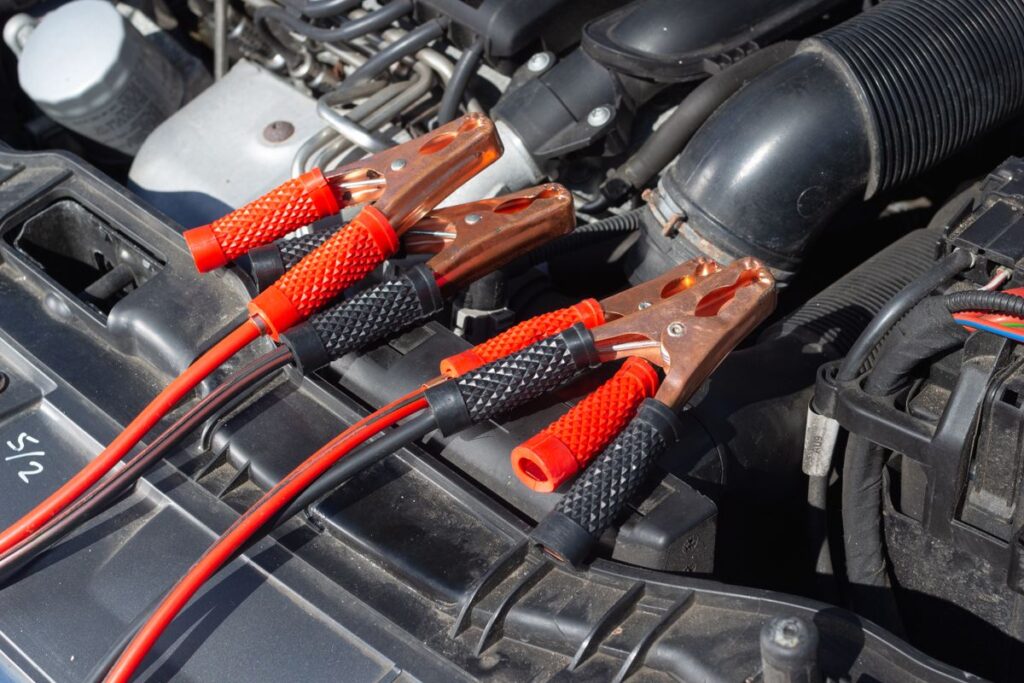
    Jumper cables clamped in a car's engine bay

    A Simple Voltage Check You Can Do

    An inexpensive digital multimeter tells you a lot. Set it to DC volts and touch the red lead to the positive battery post and the black lead to the negative post.

    1. Engine off: a charged battery typically reads about 12.4 to 12.7 volts. Below about 12.2 volts, it is low.
    2. Engine running: a working alternator typically pushes the reading to about 13.5 to 14.5 volts.
    3. Add a load: turn on the headlights, heater fan and rear defroster. The running reading should stay above about 13 volts.

    A running reading close to the engine-off number means the alternator is not charging. A reading well above about 15 volts suggests a faulty regulator overcharging the battery, which can damage it. Specs vary by make, so check your owner’s manual.

    Never disconnect a battery cable with the engine running to “test” the alternator. That old trick can send a voltage spike through modern electronics.

    Digital multimeter and tools on a workbench

    Bad Alternator Symptoms by Urgency

    Use this table to decide how quickly to act. A shop test confirms the cause.

    SymptomLikely causeHow urgent
    Smoke or burning smellOverheating alternator or wiring, slipping beltHigh Pull over and stop the engine
    Car stalls while drivingAlternator not chargingHigh Don’t rely on the car until it is tested
    Battery light on while drivingLow or high charging voltageSoon Get it tested within a day or two
    Dim or flickering lightsWeak output or failing regulatorSoon Book a charging test this week
    Grinding or whining noiseWorn bearings or internal wearModerate Have it checked before it fails
    Battery keeps going flatUndercharging, or drain while parkedModerate Test charging and drain
    Belt squeal only on cold startsStiff or slightly slipping beltLow Mention it at your next service
    Bad alternator symptoms compared by likely cause and urgency

    Cold Michigan Mornings and Your Charging System

    Grand Rapids winters are hard on the whole charging system. Thick cold oil makes the starter work harder, so the battery gives up more charge at every cold start. Short trips across town may not give the alternator enough time to put it back.

    Heated seats, the defroster and the blower add load at once, so a weak alternator often shows up in the first frosty week. A charging test belongs on your winter car maintenance checklist.

    Light snow on a suburban street

    When to Get the Charging System Tested

    AAA’s guide to the warning signs of a bad alternator lists the same red flags: warning lights, dimming headlights, burning smells, odd noises and a battery that won’t hold a charge. Any one is a reason to test before replacing parts.

    Our car electrical repair in Grand Rapids covers battery, alternator and wiring diagnosis on foreign and domestic vehicles. Hendrick Hoffman, our owner and head mechanic, is ASE and State of Michigan certified in electrical.

    Frequently Asked Questions

    Can you drive with a bad alternator?

    Only for a short distance. Once the alternator stops charging, the car runs on the battery until it is drained, and then the engine stalls. Turn off extra loads and drive straight to a shop.

    Can a bad alternator drain a battery overnight?

    It can. A failed diode inside the alternator can let current leak out of the battery with the engine off. Other parts can cause the same drain, so a shop tests for both.

    Why does my car die right after a jump-start?

    That usually means the alternator is not charging. The jump gets the engine started, but nothing refills the battery, so the car dies once the cables come off.

    Can a bad alternator ruin a new battery?

    Yes. An alternator that undercharges leaves the battery repeatedly drained, and one that overcharges can overheat it. Testing the charging system before fitting a new battery protects it.

    Need car electrical repair in Grand Rapids? Call 456 AutoFix at 616-279-3832, Monday to Friday 8am to 5pm, or book through our contact page.

    Can’t make it during the day? Use our after-hours drop-off. We’re at 456 Carrier St NE in Creston.
  • Bad Catalytic Converter Symptoms (and What Usually Killed It)

    Bad Catalytic Converter Symptoms (and What Usually Killed It)

    Most bad catalytic converter symptoms creep in slowly: a check engine light, a sulfur smell after a drive, or a car that feels flat when you merge. The converter itself rarely just wears out. Something upstream usually kills it.

    That matters, because a new converter on an engine with the same problem can fail too. Below are the warning signs, how urgent each is, and the causes to fix first.

    Quick answer

    What are the symptoms of a bad catalytic converter?

    The common signs are a check engine light with code P0420 or P0430, a rotten-egg smell, sluggish acceleration, a rattle under the car, unusual heat from the underbody and worse fuel economy. Most converters fail because of misfires, oil burning, coolant leaks or a rich-running engine, so fix the cause before replacing it.

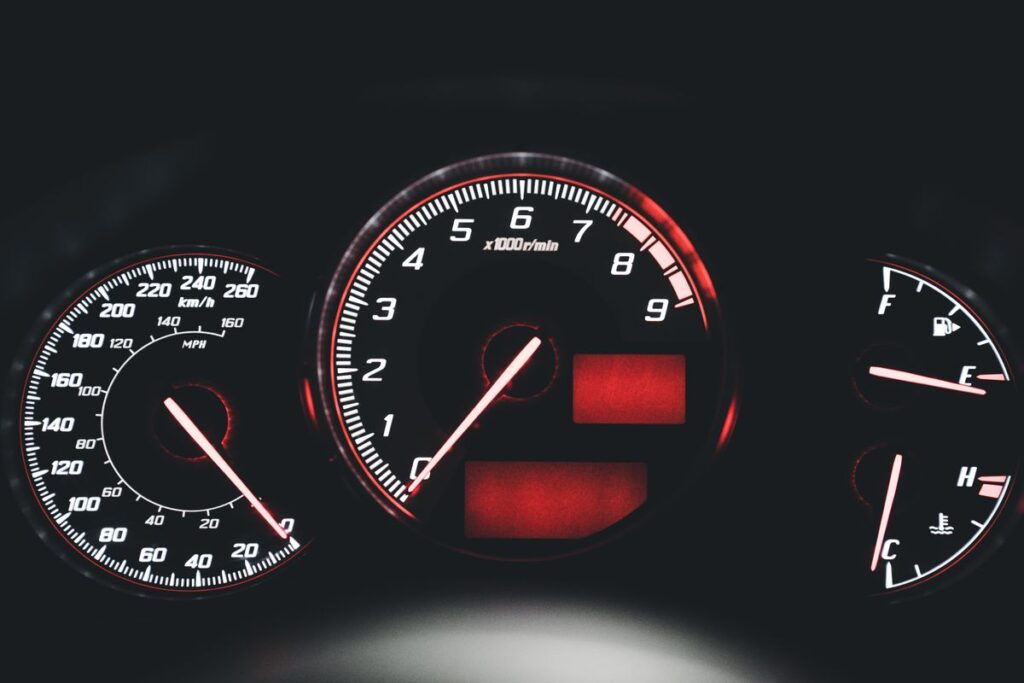
    Illuminated car instrument cluster with tachometer and gauges

    6 Bad Catalytic Converter Symptoms to Watch For

    The catalytic converter sits in the exhaust between the engine and the muffler. Inside, a honeycomb coated with precious metals cleans up the exhaust. When it gets coated, melted or broken, these signs appear.

    1. Check Engine Light With P0420 or P0430

    Your car has an oxygen sensor before the converter and another after it. The engine computer compares them, and if the rear sensor starts looking like the front one, it decides the converter isn’t doing its job. That sets P0420 (bank 1) or P0430 (bank 2 on V6 and V8 engines).

    A steady light with normal driving is rarely an emergency, and our guide to a check engine light that is on while the car runs fine covers it. A flashing light is different.

    2. A Rotten-Egg or Sulfur Smell

    Fuel contains small amounts of sulfur. A healthy converter turns the resulting hydrogen sulfide into odorless gases. When it stops working well, or when the engine runs rich and overloads it, you smell rotten eggs at the tailpipe, especially after a hard drive.

    3. Sluggish Acceleration and Loss of Power

    A clogged or melted converter acts like a cork in the exhaust. The engine can’t push gases out freely, so it feels weak climbing hills or merging onto the highway.

    Cars driving past in motion blur

    4. Rattling Under the Car

    A rattle from the middle of the car, loudest at startup or idle, can mean the honeycomb has broken apart inside the shell. Loose pieces can also block the flow further down. On salty Michigan roads, a rusted heat shield makes a similar tinny rattle.

    5. Overheating Underbody

    Converters run hot by design, but a restricted or overloaded one runs far hotter. You might notice heat coming up through the floor, a burning smell or the converter shell glowing after a drive. That heat can damage nearby parts and is a fire risk over dry grass or leaves.

    6. Falling Fuel Economy

    Back pressure from a clogged converter makes the engine work harder for the same speed. A drop can also point to the problem that is killing the converter, such as a misfire or rich running.

    Mechanic inspecting the underside of a car on a lift

    Catalytic Converter Symptoms, Likely Cause and How Urgent

    Use this table to match what you notice. Only a proper diagnosis can confirm the cause.

    SymptomLikely causeHow urgent
    Flashing check engine lightActive misfire sending raw fuel into the converterHigh Ease off and get it checked right away
    Heat through the floor or a glowing converterConverter restricted or overloaded with fuelHigh Stop driving and have it checked
    Severe power loss or stallingClogged or melted converterHigh Avoid driving until it is diagnosed
    Rattle under the carBroken honeycomb or loose heat shieldSoon Book an inspection within days
    Rotten-egg smellRich running or a worn converterSoon Have it checked this week
    Steady light with P0420 or P0430Low converter efficiency, O2 sensor or exhaust leakModerate Diagnose within a few weeks
    Slowly falling fuel economyEarly restriction or an upstream engine faultLow Mention it at your next service
    Bad catalytic converter symptoms compared by likely cause and urgency

    A flashing light deserves extra care. Our post on a flashing check engine light and severe misfires explains why driving hard on one can ruin a healthy converter quickly.

    What Usually Kills a Catalytic Converter

    Mechanics like to say converters don’t die, they get killed. When one fails early, look for one of these culprits.

    Misfires and Unburned Fuel

    A worn spark plug, a weak ignition coil or a leaking injector lets raw fuel reach the converter. That fuel burns inside the honeycomb and can melt it from the inside. It is the most common killer, so never ignore a misfire.

    Oil Burning

    Worn piston rings, valve seals or a faulty PCV system let oil burn in the cylinders. The ash coats the honeycomb so exhaust can’t reach the catalyst. Some engines are known for it, which we cover in our post on Audi 2.0T oil consumption.

    Man checking his car's engine on a city street

    Coolant in the Exhaust

    A leaking head gasket or cracked head lets coolant into the combustion chamber. It leaves deposits that clog the converter. Sweet-smelling white exhaust and a coolant level that keeps dropping are the clues.

    A Failing O2 Sensor and Rich Running

    The front oxygen sensor helps the engine computer set the fuel mixture. A lazy sensor can let the engine run rich for months, overheating the converter.

    Physical Damage

    Hitting a curb, debris or a deep pothole can crack the brittle honeycomb inside. Our long West Michigan winters add road salt, which rusts pipes, clamps and heat shields around the converter.

    Is It Really the Converter?

    A P0420 doesn’t always mean the converter is dead. The computer only infers converter health from the two oxygen sensors. A slow rear sensor, wiring damage or an exhaust leak near a sensor can all fake the reading.

    Exhaust leaks are common on salted Michigan roads, and our guide to exhaust leak symptoms like ticking and fumes covers what to listen for. A good diagnosis checks sensor data, looks for leaks and tests back pressure before anyone orders a converter.

    Close-up of blue-tinted exhaust tips

    Sudden Loud Exhaust? Check for Theft

    If your car roars like a race car the first time you start it one morning, look underneath. A missing converter leaves cut pipes and a gap in the exhaust. The precious metals inside make converters a target for thieves.

    The National Insurance Crime Bureau reported that catalytic converter theft claims rose from 16,660 in 2020 to 64,701 in 2022. NICB suggests parking in well-lit areas or a monitored garage, adding an anti-theft device and etching your VIN on the converter.

    Dual exhaust pipes covered in soap suds

    Getting Converter Problems Diagnosed in Grand Rapids

    At home, you can note when the smell or noise happens, check your oil and coolant levels, and have the codes read. Don’t crawl under a hot exhaust, and don’t keep driving on a flashing light.

    Our exhaust repair in Grand Rapids covers converters, pipes and mufflers on foreign and domestic vehicles. For codes and misfires, our check engine light diagnostic in Grand Rapids finds the root cause first. Hendrick Hoffman, our owner and head mechanic, is ASE and State of Michigan certified in engine repair and engine tune-up.

    Frequently Asked Questions

    Can you drive with a bad catalytic converter?

    With only a steady light and normal driving, you can usually drive gently until it is diagnosed. If the car loses power, stalls, overheats underneath or the check engine light flashes, stop driving and have it checked, because a clogged converter can damage the engine and is a fire risk.

    Does P0420 always mean I need a new catalytic converter?

    No. P0420 means the computer thinks the converter is working poorly, based on the oxygen sensors. A slow rear O2 sensor, damaged wiring or an exhaust leak can set the same code, so test before replacing.

    Why did my new catalytic converter fail again?

    Usually because the problem that killed the first one was never fixed. Misfires, oil burning, coolant leaks and rich running will damage a new converter the same way. Some low-quality replacement converters also fall short of the efficiency the computer expects.

    Need exhaust or catalytic converter repair in Grand Rapids? Call 456 AutoFix at 616-279-3832, Monday to Friday 8am to 5pm, or book through our contact page.

    Can’t make it during the day? Use our after-hours drop-off. We’re at 456 Carrier St NE in Creston.

  • Car A/C Blowing Warm Air? Common Causes

    Car A/C Blowing Warm Air? Common Causes

    A car AC blowing warm air usually shows up on the first hot, sticky day of the year. The fan works and the vents push air, but it never gets properly cold.

    Here is what each likely cause feels like, what you can check yourself and when to book a diagnosis.

    Quick answer

    Why is my car AC blowing warm air?

    The most common cause is low refrigerant from a leak. Other causes are a compressor or clutch that isn’t engaging, a blocked condenser or failed cooling fan, a stuck blend door, a blown fuse, relay or pressure switch, and a clogged cabin air filter. A leak test and pressure check pinpoint which one it is.

    Car climate control panel with A/C and fan buttons

    6 Common Causes of a Car AC Blowing Warm Air

    Your A/C moves heat out of the cabin. The compressor pressurizes refrigerant, the condenser sheds its heat and the evaporator behind the dash gets cold. A failure anywhere in that chain means warm air.

    1. Low Refrigerant From a Leak

    This is the cause behind most warm A/C complaints. The system is sealed, so refrigerant doesn’t get used up like fuel. If it is low, it has leaked from a hose, an O-ring, a service valve, the condenser or the evaporator.

    A slow leak gives you air that gets a little less cold each week. Once the charge drops far enough, a low-pressure switch stops the compressor to protect it.

    2. Compressor or Compressor Clutch Problems

    The compressor is the pump that drives the system. On many cars, an electromagnetic clutch engages it when you press the A/C button. If the clutch coil fails or its air gap wears too wide, the compressor never turns on.

    A worn compressor can also run without building enough pressure. Grinding when the A/C kicks on is a warning sign.

    Close-up of a car engine bay with hoses and lines

    3. Blocked Condenser or Failed Cooling Fan

    The condenser needs airflow to dump heat. At highway speed air rushes through it, but at idle the electric cooling fan has to do that job. If the A/C is cold on the highway but warm at a stoplight, suspect the fan or a condenser clogged with bugs, leaves or road grime.

    4. Stuck Blend Door or Bad Actuator

    The blend door mixes air from the evaporator with air from the heater core, moved by a small motor called an actuator. If the door sticks on the heat side, cold air gets mixed with hot air before it reaches you. Clues include clicking behind the dash or one side blowing colder than the other.

    The same part can cause the opposite problem in winter, covered in our guide to a car heater blowing cold air.

    5. Blown Fuse, Bad Relay or Pressure Switch

    The compressor clutch and cooling fans run through fuses and relays. Pressure switches and sensors tell the climate control module when it is safe to run the compressor. A blown fuse, failed relay or faulty switch can shut the system off with refrigerant still in it.

    These faults need testing with a meter or scan tool, the kind of work done in car electrical repair in Grand Rapids.

    Hands working on components under a car hood

    6. Clogged Cabin Air Filter

    A packed cabin filter mostly causes weak airflow, so the cabin cools slowly and the air can feel lukewarm. It is the cheapest thing on this list to rule out, and it is often replaced during factory scheduled maintenance in Grand Rapids.

    Symptom Checker: Likely Cause and How Urgent

    What you noticeLikely causeHow urgent
    Grinding or squealing when the A/C engagesFailing compressor or clutchHigh Turn the A/C off and book a check
    Warm air and engine temperature climbingCooling fan not runningHigh The fan also cools the engine
    Less cold week by weekSlow refrigerant leakSoon Find the leak early
    Cold on the highway, warm at idleWeak fan or blocked condenserSoon Worse in summer traffic
    Suddenly warm, compressor not clicking onFuse, relay, switch or very low chargeModerate Diagnose before buying parts
    One side warm or clicking in the dashBlend door or actuatorModerate Comfort issue, not safety
    Cool but weak airflowClogged cabin air filterLow Replace the filter
    Car AC blowing warm air: symptoms compared by likely cause and urgency

    Quick Checks You Can Do Yourself

    Keep hands and loose clothing away from belts and fans with the engine running.

    1. Check the settings. A/C light on, coldest temperature, recirculate on hot days.
    2. Watch the compressor. On cars with a clutch, the center hub should click and spin.
    3. Look at the condenser. Through the grille, look for leaves, bugs or matted grime.
    4. Confirm the fan runs. On most cars it starts soon after you switch on the A/C.
    5. Check the A/C fuse. Your owner’s manual shows the fuse and relay for the compressor clutch.
    6. Inspect the cabin filter. It usually sits behind the glove box.
    Chrome air cleaner on top of a V8 engine

    Why a DIY Recharge Can Is Often a Short-Term Fix

    Recharge kits sometimes help for a while. But low refrigerant means a leak, and topping up doesn’t fix it, so the air goes warm again.

    • Overcharging is easy. The can’s gauge reads only the low side, and the reading shifts with outside temperature. Too much refrigerant can make cooling worse and strain the compressor.
    • Sealers can clog parts. Some cans contain stop-leak additives that can block the expansion valve or orifice tube.
    • It hides the real fault. If a bad relay is the problem, adding refrigerant just overfills the system.

    R-134a vs R-1234yf: Which Does Your Car Use?

    Older cars mostly use R-134a, while many newer vehicles use R-1234yf, which has a much lower climate impact. A label under the hood tells you which one your car has.

    FeatureR-134aR-1234yf
    Typical vehiclesMostly older carsMany newer cars
    Service portsIts own fittingsDifferent fittings
    Small can threadsRight-handLeft-hand
    Mix with the other?NoNo
    R-134a and R-1234yf refrigerant compared for car A/C service

    The EPA explains that each approved refrigerant has its own unique service fittings and labels for motor vehicle A/C, and adapters may not be used. That prevents mixing.

    Mechanic working in a car engine bay

    When to See a Mechanic

    Book an inspection if your checks don’t turn up a simple answer, the compressor makes noise or a recharge didn’t last. A proper diagnosis measures system pressures, tests compressor engagement and circuits, and finds the leak before anything is refilled.

    Hendrick Hoffman, our owner and head mechanic, is ASE and State of Michigan certified in heating and air conditioning, and we work on foreign and domestic vehicles. Our car A/C and heater repair in Grand Rapids covers both sides of your climate system.

    Car radiator and condenser stack behind the front bumper

    West Michigan Wear and Tear

    Road salt and slush coat the condenser every winter, and corrosion there is a common leak source. Humid summers make a weak A/C feel worse. Your defroster also uses the compressor to dry the air, which is why the A/C appears on our winter car maintenance checklist.

    Frequently Asked Questions

    Why is my AC cold while driving but warm at idle?

    At speed, outside air flows through the condenser on its own. At idle, the cooling fan has to pull that air through, so warm air at a stop usually points to a weak fan or a blocked condenser.

    Will an AC recharge fix warm air?

    Only for a while if the system is leaking, and it won’t help if the fault is a fuse, relay, blend door or compressor. Find the cause first, then refill to the factory amount.

    Is it safe to drive with the AC blowing warm air?

    Usually yes, if the engine temperature stays normal and the compressor is quiet. If the gauge climbs or you hear grinding, switch the A/C off and have it checked soon.

    Can a dirty cabin air filter make the AC blow warm?

    It mainly reduces airflow, so the air can feel lukewarm. If the air is truly warm at full fan speed, refrigerant, the compressor or the blend door is more likely.

    Need car A/C repair in Grand Rapids? Call 456 AutoFix at 616-279-3832, Monday to Friday 8am to 5pm, or book through our contact page.

    Can’t make it during the day? Use our after-hours drop-off. We’re at 456 Carrier St NE in Creston.

  • When to Replace a Timing Belt (and What Happens If You Don’t)

    When to Replace a Timing Belt (and What Happens If You Don’t)

    Your car is coming up on a big mileage number, or it is getting older with fairly few miles on it. Either way, you need to know when to replace timing belt parts on your engine, and whether the job can wait a little longer.

    The timing belt keeps your engine’s crankshaft and camshafts turning in step. It often fails with little warning, so the schedule matters more than symptoms.

    Quick answer

    When should you replace a timing belt?

    Replace it at the mileage or age your owner’s manual lists, whichever comes first. Many engines fall somewhere around 60,000 to 100,000 miles, and many makers also set a time limit in years. Replace it sooner if you see oil or coolant on the belt, hear ticking from the timing cover, or have no records.

    Car instrument cluster showing the odometer and gauges

    Typical Timing Belt Replacement Intervals

    Every engine has its own interval, set by the vehicle maker. You will find it in the owner’s manual or the maintenance schedule booklet, usually written as a mileage and a number of years. The rule is simple: whichever comes first.

    As a general range, many timing belts are scheduled somewhere between about 60,000 and 100,000 miles. Those are typical figures only. Your manual is the number that counts, and some engines list a shorter interval for severe service such as towing, lots of idling or short trips.

    Why Age Matters Even With Low Miles

    A timing belt is made of rubber reinforced with fiber cords. Rubber hardens and develops cracks over time, even when the car sits in the garage. A low-mileage car that is ten years old can have a belt that is past its time limit while it is nowhere near the mileage limit.

    West Michigan weather adds to this. Hard cold starts and big swings between winter and humid summer temperatures are tough on rubber parts. A car that is mostly parked through the winter still ages, even if the odometer barely moves.

    Belt or Chain? Check First

    Not every engine has a belt. Many use a metal timing chain that is designed to last much longer and has no fixed replacement schedule. If you are not sure which one your car has, our guide to timing belt vs timing chain differences explains how to tell. Chain engines have their own warning signs, covered in our article on Audi timing chain tensioner symptoms.

    Mechanic's hands working on a car engine with a ratchet

    Warning Signs It’s Time to Replace the Timing Belt

    Some problems do show up before a failure. Use this table to judge how fast to act.

    SignWhat it can meanHow urgent
    Engine cranks but will not start, often after a sudden stallThe belt may have broken or jumped teethHigh Stop cranking it and have the timing checked before any restart
    Ticking, slapping or whirring from the timing cover areaLoose belt, worn tensioner or a failing idler pulleyHigh Stop driving it if you can and book an inspection right away
    Rough running, misfires or a check engine light with timing codesThe belt may have stretched or skipped a toothSoon Get it diagnosed before it gets worse
    Oil or coolant leaking near the front of the engineA leaking seal or water pump can soak and weaken the beltSoon Fix the leak and inspect the belt together
    Past the mileage or age limit, or no recordsThe belt is at the end of its rated life, or its age is unknownModerate Plan the replacement in the near future
    Within the interval, records on file, no symptomsNormal service lifeLow Replace on schedule
    Timing belt warning signs compared by likely meaning and urgency

    A check engine light has many possible causes, so our check engine light diagnostic in Grand Rapids starts with a scan.

    Mechanic in a beanie inspecting a car engine in a garage

    What Happens If a Timing Belt Snaps

    When the belt breaks, the camshafts stop turning and the engine shuts off. You lose power at once. What happens inside the engine depends on its design.

    • Interference engine: the valves and pistons share the same space at different moments. Without the belt keeping them in time, pistons can strike open valves. That can bend valves and damage pistons or the cylinder head, which turns a planned service into a major engine repair.
    • Non-interference engine: the pistons cannot reach the valves, so the engine usually survives. You are still stranded, and you still need a new belt and a careful check.

    Many modern engines are interference designs. If you do not know which kind you have, assume interference and treat the interval as a firm deadline.

    Close-up of a camshaft and valves in an engine head

    What Gets Replaced With the Timing Belt

    Most of the work in a timing belt job is getting to the belt. Because the same parts come off anyway, the related components that wear at a similar rate are usually replaced at the same time. Belt maker Gates notes in its Timing 101 guide to timing components that skipping the tensioner and idler bearing often leads to early belt failure.

    PartWhat it doesWhy replace it with the belt
    TensionerKeeps the belt at the right tightnessA weak tensioner lets the belt slap, slip or jump teeth
    Idler pulleysGuide the belt around its pathA worn bearing can seize or overheat the new belt
    Water pump (if belt driven)Circulates coolant through the engineA leaking pump soaks the belt, and replacing it later repeats most of the labor
    Cam and crank sealsKeep oil inside the engineOil on a new belt shortens its life
    Parts commonly replaced during a timing belt job and why

    The exact parts list depends on the engine. Our timing belt replacement in Grand Rapids page explains how we approach the work.

    Buying a Used Car? Check the Timing Belt Records

    A belt engine near or past its interval is one of the biggest hidden costs in a used car. Ask the seller for a receipt that shows the date and mileage of the last belt service.

    If there is no proof, treat the belt as original and budget for replacement soon after you buy. Add this question to your used car buying checklist for Michigan drivers. A pre-purchase inspection in Grand Rapids can also check for leaks and noises around the timing cover before you commit.

    Labeled binders on a shelf, the kind of place service records get kept

    When to Replace Timing Belt Parts: A Simple Decision Guide

    Put the pieces together with these steps:

    1. Confirm your engine has a timing belt, not a chain.
    2. Look up the mileage and age interval in your owner’s manual.
    3. Find your records. If the belt has never been changed, count from the car’s build date.
    4. Replace at whichever limit you reach first, or now if you have no records and are close to either one.
    5. Do not wait for symptoms. Any ticking, leak near the belt or sudden rough running moves the job up.

    A belt service fits neatly into other planned work. If your car is due for a major mileage service, ask about it during your factory scheduled maintenance in Grand Rapids.

    Close-up of an engine pulley and belt area in low light

    Frequently Asked Questions

    How many years does a timing belt last?

    It depends on the engine. Many makers list a time limit in years alongside the mileage, and you replace at whichever comes first. Check your owner’s manual for your exact figure.

    Do I need to replace my timing belt if my car has low miles?

    Yes, once it reaches the age limit in your manual. Rubber hardens and cracks with time, so a low-mileage belt can still be worn out.

    Can you drive with a bad timing belt?

    It is not worth the risk. If the belt fails on an interference engine, the pistons can hit the valves and cause major damage. If you hear ticking from the timing cover or the engine runs rough, have it checked before driving further.

    Should the water pump be replaced with the timing belt?

    Often, yes, if the timing belt drives the water pump. A leaking pump can soak the new belt, and replacing it later means repeating most of the same labor.

    Need timing belt replacement in Grand Rapids? Call 456 AutoFix at 616-279-3832, Monday to Friday 8am to 5pm, or book through our contact page.

    Can’t make it during the day? Use our after-hours drop-off. We’re at 456 Carrier St NE in Creston.

  • Timing Belt vs Timing Chain: What Your Car Has and Why It Matters

    Timing Belt vs Timing Chain: What Your Car Has and Why It Matters

    The timing belt vs timing chain question usually comes up at a bad moment: a service quote, a used-car listing, or a strange rattle at startup. Both parts do the same job, but they age very differently and need different care.

    Knowing which one your engine has tells you what maintenance to plan and which warning signs to watch. Here is how to check, and when a problem needs attention.

    Quick answer

    Does my car have a timing belt or a timing chain, and does it matter?

    Check your owner’s manual: if the maintenance schedule lists a timing belt replacement, you have a belt. It matters because a belt is a rubber wear item replaced on a set schedule, while a metal chain is designed to last much longer but depends on clean oil. On many engines, a failure of either can cause engine damage.

    Mechanic leaning into an open engine bay to inspect the engine

    What a Timing Belt and a Timing Chain Actually Do

    Your engine’s crankshaft turns with the pistons, and the camshaft opens and closes the valves. The two must stay locked in step so each valve opens at exactly the right moment. As the Car Care Council’s vehicle systems overview puts it, the timing belt keeps the crankshaft and camshaft mechanically synchronized to maintain engine timing.

    The Timing Belt

    A timing belt is a toothed belt made of reinforced rubber. It usually runs outside the engine block behind a plastic or metal cover, along with a tensioner, idler pulleys and, on many engines, the water pump. Belts are quiet and light, but rubber hardens, cracks and stretches with age and miles.

    Don’t confuse it with the visible serpentine belt, which drives accessories like the alternator, not the valves.

    The Timing Chain

    A timing chain looks like a heavy bicycle chain running on metal sprockets. It sits inside the engine behind a sealed timing cover and is lubricated by engine oil. Plastic guides steer it, and a tensioner, often oil-pressure driven, keeps it tight.

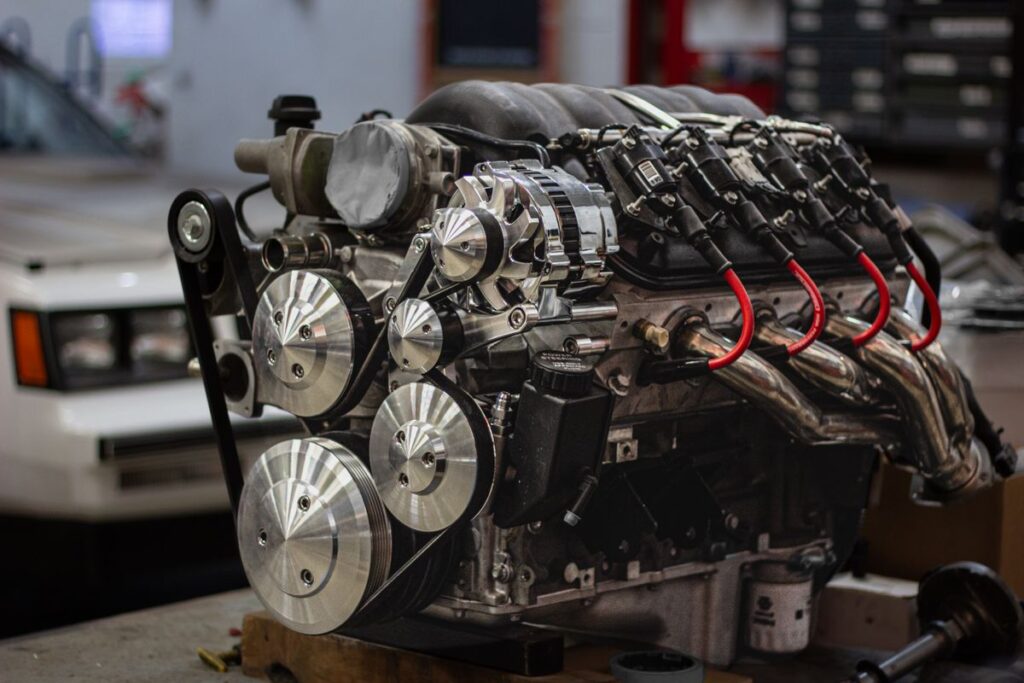
    V8 engine on a stand with its front belt pulleys exposed in a workshop

    Timing Belt vs Timing Chain: Side-by-Side Comparison

    Neither design is simply better. Each makes different trade-offs.

    FeatureTiming beltTiming chain
    MaterialToothed reinforced rubberMetal links on metal sprockets
    LocationOutside the block, under a dry cover (some engines run it in oil)Inside the engine, bathed in oil
    Expected lifeReplaced on a set mileage or age interval from the manufacturerDesigned to last much longer, often the life of the engine with good oil care
    Scheduled maintenanceBelt plus tensioner and pulleys, often the water pump at the same timeNo set interval on most engines, but tensioner and guides can wear
    NoiseVery quietSlightly louder, rattles when worn
    How it failsOften with little warningUsually gives noise or warning lights first
    Timing belt vs timing chain compared by material, lifespan, maintenance and failure
    Black and white close-up of a classic car engine

    How to Tell Which One Your Car Has

    No tools needed. Work through these checks in order:

    1. Read the maintenance schedule. If your owner’s manual lists “replace timing belt” at a mileage or age, your engine has a belt. No timing entry at all usually means a chain.
    2. Know your engine. One model can offer engines with different systems. Your engine size is on the window sticker or an under-hood emissions label.
    3. Run a VIN or engine lookup. The 10th character of the VIN is the model year, and many VIN decoders show the engine. A parts catalog search for that engine shows whether a timing belt kit or a chain kit is listed.
    4. Look at the engine, with care. A bolted plastic or thin metal cover on the side of the engine often hides a belt. A smooth cast cover sealed to the block usually means a chain.

    One caution about the visual check: some newer engines run a “wet” timing belt inside the engine in oil, so there is no outside cover to spot. Others combine a belt with a short chain between the camshafts. The manual or an engine lookup is the reliable answer.

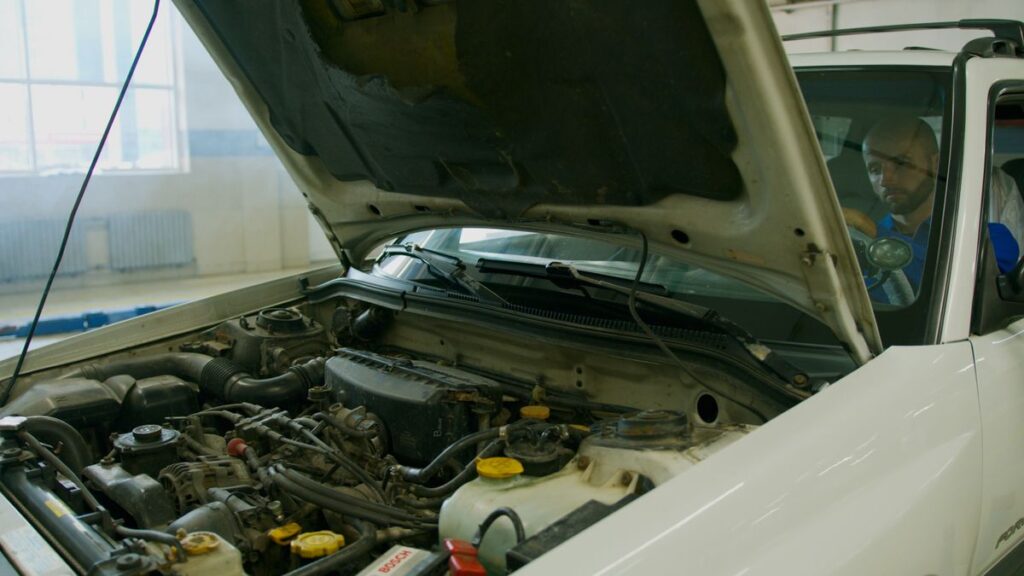
    Mechanic checking a car engine under an open hood in a garage

    Lifespan and Maintenance Differences

    Belts: Replace on Schedule, Not on Symptoms

    A timing belt has a manufacturer interval based on miles, years, or both, and it varies by engine. Because many belts fail without warning, the schedule is the only safe guide. Our guide on when to replace a timing belt and what happens if you wait covers intervals and what is usually replaced alongside it.

    Chains: Long-Lived, but Only With Clean Oil

    “Lifetime” chains are not maintenance-free. Old or low oil wears the chain pins, which lets the chain stretch, and it starves the oil-fed tensioner. Plastic guides can also crack with age.

    The best protection is changing oil on time with the specified grade. Our post on how often to change your oil in Michigan explains the schedule, and our oil change service in Creston keeps chain-driven engines on track. West Michigan winters add strain, since short trips and cold starts keep oil from fully warming up.

    Some engines are known for tensioner trouble, including certain Audi 2.0T engines. Our article on Audi timing chain tensioner symptoms and the fix goes into that in detail.

    Mechanic pouring fresh oil from a green container in a workshop

    Warning Signs and How Urgent They Are

    Some symptoms point more to one system than the other. Timing problems rarely improve on their own.

    Warning signMore common withHow urgent
    Engine cranks but won’t start, or died while drivingBelt (possibly broken)High Don’t keep cranking. Have it towed and inspected
    Rattle at startup that lasts after warm-upChain (stretch or tensioner)High Stop driving it far and book an inspection right away
    Check engine light with a misfire or rough idleEither (timing slightly off)Soon Get the codes read this week
    Brief rattle for a second or two on a cold startChain (tensioner slow to pump up)Soon Check the oil level and have it looked at
    Ticking or whirring from behind the belt coverBelt (tensioner or pulley)Soon Inspect before the belt is damaged
    Belt past its interval but no symptomsBeltModerate Schedule the replacement now, before it fails
    Timing belt and timing chain warning signs compared by likely system and urgency

    A flashing check engine light means an active misfire, so read what to do when your check engine light is flashing before driving further.

    Interference vs Non-Interference Engines

    In an interference engine, the valves and pistons share the same space at different moments. If the belt breaks or a chain jumps a tooth, the pistons can hit open valves and bend them. In a non-interference engine, the engine simply stops without that internal damage.

    Many modern engines are interference designs, which is why an overdue belt is a gamble. When it’s time, our timing belt and chain replacement in Grand Rapids covers both systems on foreign and domestic vehicles. Shopping for a used car? A pre-purchase inspection in Grand Rapids can confirm whether an overdue belt service is waiting for you.

    Mechanic's hands working on an engine's valvetrain with a wrench

    Frequently Asked Questions

    Is a timing chain better than a timing belt?

    Not always. A chain usually lasts much longer and has no set replacement interval on most engines, but it is louder and depends on clean oil. A belt is quieter and lighter but must be replaced on the manufacturer’s schedule.

    Do timing chains ever need to be replaced?

    Sometimes. A chain can stretch, and its tensioner and guides can wear, especially when oil changes are skipped. A rattle that lasts after warm-up or timing-related check engine codes are the usual signs.

    Can I swap a timing belt for a timing chain?

    Generally no. An engine is designed around one system, with its own covers, sprockets and lubrication. You replace a belt with a new belt and a chain with a new chain.

    What happens if a timing belt breaks while driving?

    The engine stops running right away. On an interference engine, the pistons can strike the valves and cause major internal damage. On a non-interference engine, a new belt often gets it running again.

    Need timing belt or timing chain service in Grand Rapids? Call 456 AutoFix at 616-279-3832, Monday to Friday 8am to 5pm, or book through our contact page.

    Can’t make it during the day? Use our after-hours drop-off. We’re at 456 Carrier St NE in Creston.

  • Why Is My Check Engine Light Flashing?

    Why Is My Check Engine Light Flashing?

    A steady check engine light is a reminder. A flashing one is a warning that something is going wrong inside your engine right now, while you drive.

    Here’s what the flashing means, what to do in the next few minutes, and the usual causes.

    Quick answer

    Why is my check engine light flashing?

    A flashing check engine light means your engine is misfiring badly right now. Unburned fuel is reaching the exhaust, where it can overheat and ruin the catalytic converter in a short time. Ease off the gas, avoid hard acceleration and towing, pull over if the car shakes, and get it diagnosed as soon as possible.

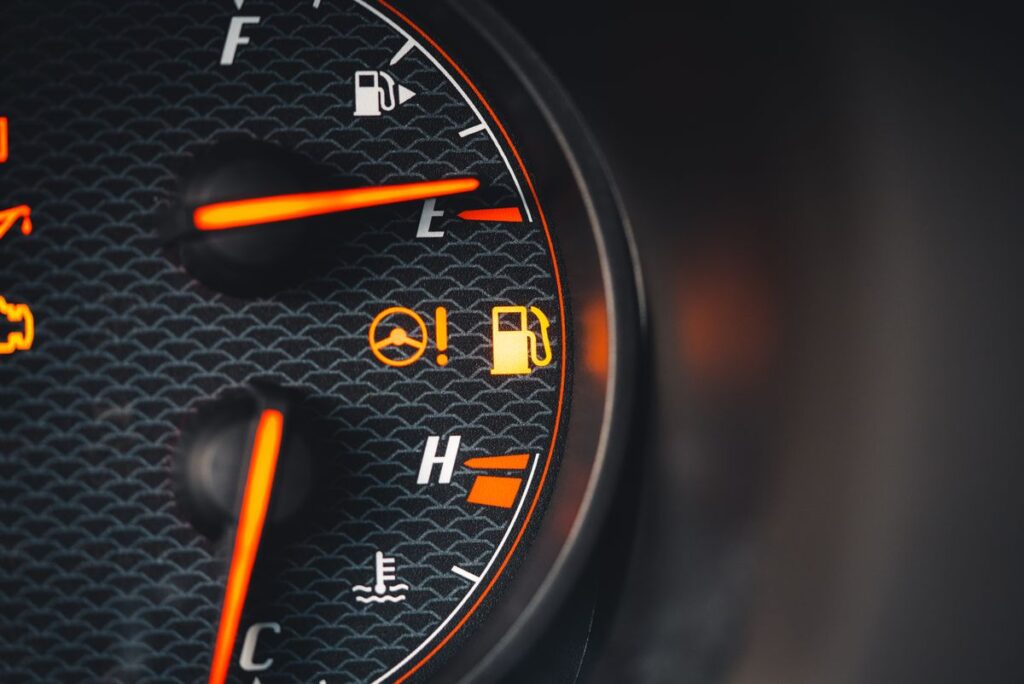
    Fuel and temperature gauges with glowing warning symbols

    What a Flashing Check Engine Light Actually Means

    Your engine’s computer counts misfires in every cylinder. A misfire happens when the air and fuel in a cylinder don’t burn properly. When the misfire rate gets high enough to harm emissions parts, the light flashes instead of holding steady.

    The real danger is the fuel that doesn’t burn. It flows into the exhaust and ignites inside the catalytic converter, which can push the converter far past its normal temperature. The US EPA’s fact sheet on on-board diagnostics notes that severe misfire over only a short period can seriously damage the catalytic converter, and advises drivers to reduce speed and seek service.

    A melted converter turns one repair into two. If you notice a rotten egg smell or a rattle underneath, our guide to exhaust leak symptoms and what they mean and our exhaust and catalytic converter repair in Grand Rapids page cover that side of the problem.

    What to Do Right Now When the Light Flashes

    You don’t need to panic, but you do need to change how you drive immediately. Work through these steps in order.

    1. Ease off the gas. Misfires usually get worse under load. Gentle throttle often makes the flashing slow or stop.
    2. Avoid hard acceleration, steep hills and towing. Pulling a trailer or merging hard is exactly the kind of load that makes a weak cylinder misfire more.
    3. Pull over if the car shakes or loses power. Find a safe spot, shut the engine off and let it sit for a few minutes.
    4. Check the other gauges. A rising temperature gauge or oil pressure warning means the engine should stay off.
    5. Don’t keep driving long distances. A short, gentle drive to a shop is one thing. A highway trip risks the converter.
    6. Get it diagnosed promptly. If the engine runs very rough, a tow is safer.
    Mechanic working on a car engine in a garage

    Don’t relax just because the light stops flashing. That often only means you’ve backed off the throttle, and the misfire returns under load.

    Why Is My Check Engine Light Flashing? 6 Common Misfire Causes

    Every cylinder needs three things to fire: a strong spark, the right amount of fuel and good compression. Lose any one of them and you get a misfire.

    1. Worn or Fouled Spark Plugs

    As plugs wear, the gap grows until the spark can’t jump it reliably under load. Fouling does the same. Intervals vary by engine, so check your owner’s manual or your factory scheduled maintenance plan.

    2. Failing Ignition Coils

    Most modern engines have one coil sitting on top of each plug. A cracked or weak coil often causes a misfire in a single cylinder that gets worse when the engine is hot or working hard. Coil and wiring faults are very common on foreign and European cars.

    3. Clogged or Leaking Fuel Injectors

    An injector that sprays too little fuel makes a cylinder run lean. One that leaks or sticks open floods the cylinder. Either way, the mixture won’t burn cleanly.

    Close-up of a performance engine's air cleaner and ignition wiring

    4. Vacuum Leaks

    A split hose or failed intake gasket lets in air the computer didn’t measure. This tends to cause misfires at idle, sometimes with a hissing sound and a lean code alongside the misfire codes.

    5. Low Compression

    Worn rings, a leaking valve or a head gasket problem can leave a cylinder unable to hold pressure. It’s the least common cause, but worth ruling out before buying parts.

    6. Bad Fuel or Water in the Tank

    Contaminated fuel can cause misfires across several cylinders at once. Suspect it if the flashing started right after a fill-up, but it’s less common than ignition faults.

    Mechanic's hands working with engine parts on a workbench

    Misfire Causes Compared: Signs and Urgency

    CauseCommon signsHow urgent
    Worn or fouled spark plugsRough idle, hesitation when accelerating, worse on cold startsHigh Drive gently and book a diagnosis now
    Failing ignition coilOne cylinder misfire, shaking under load or when hotHigh Limit driving, converter at risk
    Fuel injector faultRough running, fuel smell, poor mileageHigh A leaking injector can flood the cylinder
    Vacuum leakMisfire mainly at idle, hissing, lean codesSoon Get it checked within days
    Low compressionSteady misfire in one cylinder, possible ticking or coolant lossHigh Stop driving until tested
    Bad fuel or water in fuelSeveral cylinders misfire after a fill-up, stallingSoon Avoid long drives until checked
    Flashing check engine light: misfire causes compared by common signs and urgency

    Flashing vs Steady: The Short Version

    LightWhat it usually meansHow urgent
    Steady, car drives normallyA stored fault, often a sensor or emissions itemModerate Book a diagnosis soon
    Steady, rough runningA fault already affecting how the engine runsSoon Get it checked within days
    FlashingActive severe misfire, converter at riskHigh Ease off and get it diagnosed now
    Flashing vs steady check engine light compared by meaning and urgency

    For the full picture on steady lights, loose gas caps and how a proper diagnosis works, see our check engine light diagnosis in Grand Rapids page.

    Why P0300 to P0308 Point to a Cylinder, Not a Part

    Misfire codes follow a simple pattern. P0300 means random or multiple cylinder misfires. P0301 through P0308 name the cylinder: P0301 is cylinder 1, P0304 is cylinder 4, and so on.

    Notice what the code doesn’t say. It tells you where the misfire is, not why it’s happening. A P0303 could be a plug, a coil, an injector, a wiring fault or low compression in cylinder 3.

    Hand plugging an OBD2 diagnostic scanner into a car

    That’s why swapping parts based on a code is a gamble. A good diagnosis narrows it down with tests:

    • Moving the coil to another cylinder to see if the misfire follows
    • Inspecting the plug for wear or fouling
    • Reading freeze-frame data for speed and load
    • Testing injectors, wiring and compression when needed

    A random P0300 usually points to something all cylinders share, like a vacuum leak or bad fuel. Wiring faults can also trigger misfires, which is where engine electronics and wiring repair comes in.

    Misfires and West Michigan Weather

    Cold starts are hard on weak ignition parts. A worn plug or tired coil that copes in summer often starts misfiring on a January morning in Grand Rapids. Melting snow and salty road spray can also let moisture into coil wells.

    Michigan has no emissions test to force the issue, so it’s easy to ignore a light. A flashing one needs attention now, before a misfire repair becomes a converter replacement.

    Frequently Asked Questions

    Can I drive with a flashing check engine light?

    Only gently and only as far as you need to, ideally straight to a shop. If the engine shakes, loses power or other warnings appear, pull over and have it towed.

    Why did my check engine light flash and then go solid?

    The misfire rate dropped below the flashing threshold, often because you eased off the gas. The fault is still stored, and it will usually flash again under load, so get it diagnosed.

    Can a bad spark plug make the check engine light flash?

    Yes. Worn or fouled spark plugs and failing ignition coils are among the most common causes of a flashing light. A proper test confirms which one before you replace anything.

    Will disconnecting the battery fix a flashing check engine light?

    No. It may clear the light briefly, but it erases useful diagnostic data. The misfire is still there, so the light returns and the converter stays at risk.

    Need a flashing check engine light diagnosed in Grand Rapids? Call 456 AutoFix at 616-279-3832, Monday to Friday 8am to 5pm, or book through our contact page.

    Can’t make it during the day? Use our after-hours drop-off. We’re at 456 Carrier St NE in Creston.