As an Amazon Associate, 456 AutoFix earns from qualifying purchases. Product links below go to Amazon, where you can confirm the right part for your vehicle.
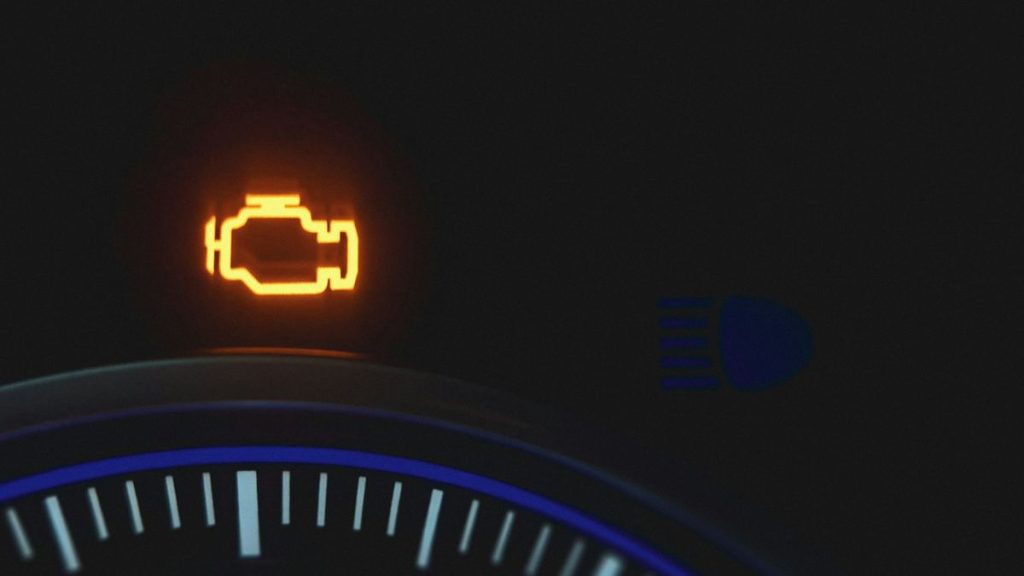
A check engine light is easier to live with when you know what set it. The best obd2 scanner for DIY mechanics is the one that matches the jobs you actually do, from reading a single engine code to checking airbag faults or running a fuel pump test from the driver’s seat.
Below we explain the difference between a code reader and a scan tool, what live data, freeze frame and readiness monitors tell you, and six tools that cover each level. If the light is on but the car feels normal, start with our guide to a check engine light on but car runs fine.
Quick answer
Which OBD2 scanner should a home mechanic buy?
For most home mechanics, a handheld scanner with live data, freeze frame and I/M readiness, such as the FOXWELL NT301, covers check engine work. Add ABS and airbag codes with a tool like the BlueDriver, and step up to a bidirectional tool such as the Innova 5610 only if you run component tests and resets.
Our Quick Picks
Three quick picks, one per level: live data, phone app with ABS and airbag codes, and bidirectional. All six tools are reviewed below.

FOXWELL NT301
Graphed live data and a readiness LED in a corded handheld.

BlueDriver Pro
A phone-based scanner that reads more than engine codes.

Innova 5610
Two-way commands and resets in a handheld with no subscription.
Code Reader, Scan Tool or Bidirectional: The Tiers Explained
Every car and light truck sold in the US from the 1996 model year has an OBD II system and a 16-pin diagnostic port. The California Air Resources Board’s OBD II fact sheet explains that the system watches emission-related parts and stores a code when it finds a fault.
- Code reader: reads and clears generic engine and emission codes, and usually shows freeze frame and readiness.
- Scan tool with live data: adds a stream of sensor readings such as coolant temperature, fuel trims and oxygen sensor voltage. This is where real diagnosis starts.
- Enhanced or multi-system scanner: reads manufacturer codes from other modules, typically ABS, SRS (airbag), transmission and sometimes TPMS.
- Bidirectional scan tool: sends commands to the car, for example switching on a fuel pump or retracting an electronic parking brake, and runs service resets and relearns.
Live Data, Freeze Frame and Readiness: What They Tell You
A trouble code names a fault the computer saw, not the part to replace. A lean code, for example, can come from a vacuum leak or a weak fuel pump. These three functions help you narrow it down:
- Freeze frame: a snapshot of engine speed, load, temperature and fuel trims at the moment the code set.
- Live data: real-time sensor values while the engine runs. Our guide to bad oxygen sensor symptoms shows what those readings point to.
- I/M readiness: the status of the car’s self-tests, called monitors. The EPA’s inspection and maintenance resources include its guidance on OBD checks and monitor readiness.
Readiness matters more than most DIYers expect. Clearing codes or disconnecting the battery resets the monitors to incomplete, and CARB notes that normal driving for about a week usually sets them again. A used car with several incomplete monitors may have had its codes cleared recently, so it is worth checking before you buy.
Best OBD2 Scanner for DIY Mechanics: The Picks in Detail
The six tools below run from a basic code reader to a bidirectional tablet. Coverage varies by make, model and year, so check each maker’s vehicle coverage list for your car before you buy.
1. ANCEL AD310: Handheld OBD II Code Reader with Freeze Frame and I/M Readiness

- Reads and clears engine emission codes
- Live data, freeze frame and I/M readiness
- Powered from the OBD II port, no batteries
- 2.5 ft cable, supports all OBD II protocols
The ANCEL AD310 is a plain handheld code reader, and that is its appeal. It plugs into the 16-pin port with a 2.5 foot cable, takes its power from the car, and needs no batteries, charging or app. The listing says it supports all the OBD II protocols, including CAN, and covers 1996 and newer US vehicles plus 2000 and newer European and Asian cars.
It reads and clears emission-related trouble codes and shows live data, freeze frame, I/M readiness and basic vehicle information. That is enough to tell a loose gas cap from a misfire, confirm that a repair has held, or check readiness before an emissions test. The buttons are clearly labeled and the screen is large for a tool this size, so it is easy to use in a dark footwell.
Know its limits before you buy. ANCEL states that the AD310 only covers emission-related faults, so engine codes outside the emission system won’t appear, and it can’t read ABS, airbag or transmission modules. It works on OBD II cars only, not older OBD I vehicles, even with an adapter. ANCEL suggests confirming compatibility with its customer service first, which is sensible for any European car.
2. FOXWELL NT301: OBD2 Scanner with Live Data Graphing and I/M Readiness LED
- Reads and clears engine codes
- Graphs live sensor data on a 2.8" color screen
- One-click I/M readiness with red-yellow-green LED
- EVAP and O2 sensor tests, lifetime free updates
The FOXWELL NT301 is a step up from a basic code reader because it graphs live data. On its 2.8 inch color screen you can watch oxygen sensors, fuel trims, coolant temperature and engine speed, which is how you tell a lazy sensor from a vacuum leak. It plugs into the 16-pin port with a cable and needs no charging, setup or subscription.
A dedicated I/M readiness button shows monitor status with a red, yellow and green LED and a built-in speaker, so you can see at a glance whether the car is ready for an emissions test or whether monitors are still incomplete after a repair. The tool also runs the OBD II EVAP system check and an oxygen sensor test, and FOXWELL includes lifetime free updates.
The listing gives coverage as most 1996 and newer gasoline cars, light trucks and SUVs sold in the US, many 2000 and newer European and Asian models, and 12V diesels with OBD2, and says functions vary by year, make, model and VIN. Like any engine-only scanner, it doesn’t read ABS, airbag or transmission modules, so pick a multi-system tool if those lights are your problem.
3. BlueDriver Pro: Bluetooth OBD2 Scanner for iPhone and Android with ABS, SRS and TPMS Codes
- Bluetooth sensor with iPhone and Android app
- Enhanced codes: engine, ABS, SRS, TPMS, transmission
- Live data, freeze frame, readiness and Mode 6
- Repair reports by VIN, no subscription
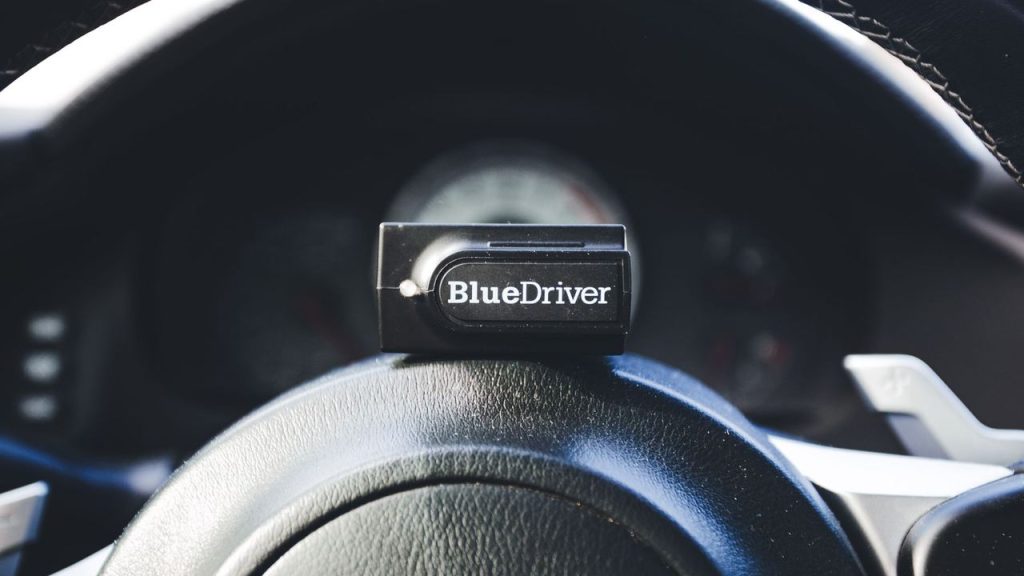
The BlueDriver Pro is a small Bluetooth sensor that stays in the OBD II port and sends data to an app on your iPhone or Android phone. There is no cable to the dash, and the app is where the codes, graphs and reports appear. The listing says the one-time purchase includes all features, with no subscription and free app updates.
Beyond the check engine light, it reads enhanced codes for ABS, SRS (airbag), TPMS and transmission systems, which covers many of the warning lights people bring to a scanner. It also shows live data while you drive, freeze frame, smog readiness and Mode 6 test results. Repair reports matched to your VIN list the definition, likely causes and fixes that technicians have confirmed for that code.
BlueDriver lists compatibility with gas-powered vehicles from 1996 sold in North America, with strong support for GM, Ford, Stellantis, Toyota, Honda, Nissan, Mazda, Subaru, Hyundai, Mercedes-Benz, BMW and VW. Enhanced coverage still varies by model and year, so check BlueDriver’s vehicle chart before you buy. It depends on your phone, and it doesn’t run bidirectional tests or service resets.
4. LAUNCH CRP129E V2.0 Elite: Engine, ABS, SRS and Transmission Scanner with 12 Reset Services

- Codes for engine, ABS, SRS and transmission
- 12 resets incl. oil, EPB, TPMS, SAS, BMS
- AutoVIN and 3000+ code explanations
- Lifetime WiFi updates, FCA AutoAuth
The LAUNCH CRP129E V2.0 Elite reads four systems: engine, ABS, SRS (airbag) and transmission. That covers the warning lights most owners bring to a scanner, and it also runs the full set of OBD II tests for the check engine light, so you can confirm readiness before an emissions test on most 1996 and newer OBD2 vehicles. The listing names coverage of more than 90 vehicle makers, including 12V diesels, pickups, SUVs and minivans.
What sets it apart from a read-only multi-system tool is its 12 reset services. The listing names oil, electronic parking brake, TPMS, steering angle sensor, battery management, throttle and DPF resets plus injector coding, which are the jobs that often follow a home repair. AutoVIN identifies most 2006 and newer cars automatically, a built-in library gives explanations for more than 3,000 codes, and updates over WiFi are free for life.
AutoAuth gives access to 2018 and newer FCA vehicles with a secure gateway. The listing doesn’t claim bidirectional active tests, and resets depend on the vehicle, so check coverage for your exact car first. It also says support comes through the seller rather than LAUNCH’s US tech team. As with any airbag scanner, repair the fault before you clear an SRS code.
View LAUNCH CRP129E V2.0 Elite on Amazon
5. Innova 5610: Bidirectional OBD2 Scan Tool with ABS, SRS Live Data and Reset Functions
- Bidirectional commands, such as fuel pump on/off
- Enhanced live data for ABS, SRS, transmission
- Special reset and relearn functions
- Free updates, no subscription, RepairSolutions2 app
The Innova 5610 is a handheld bidirectional scan tool, which means it can send commands to the car as well as read it. Innova gives examples such as switching the fuel pump on and off or retracting the electronic parking brake, the kind of task that turns a two-person test into a one-person job or makes rear brake pads possible on cars with an electric brake.
Its enhanced data stream shows live data for advanced systems including ABS, SRS, transmission and engine, and the special reset function runs dealer-style relearn procedures after repairs. The menus come in English, Spanish and French, and the tool pairs with Innova’s RepairSolutions2 app. The listing states free updates with no subscription fees, which keeps the running cost down compared with some tablet tools.
Innova says it covers most 1996 to 2023 OBD2 vehicles, but the bidirectional and reset features work on select makes and models and are not universal. Use Innova’s Coverage Checker for your exact year, make and model before you buy, especially for European cars. It is more tool than a beginner needs, so it suits DIYers who already do their own brake, fuel and sensor work.
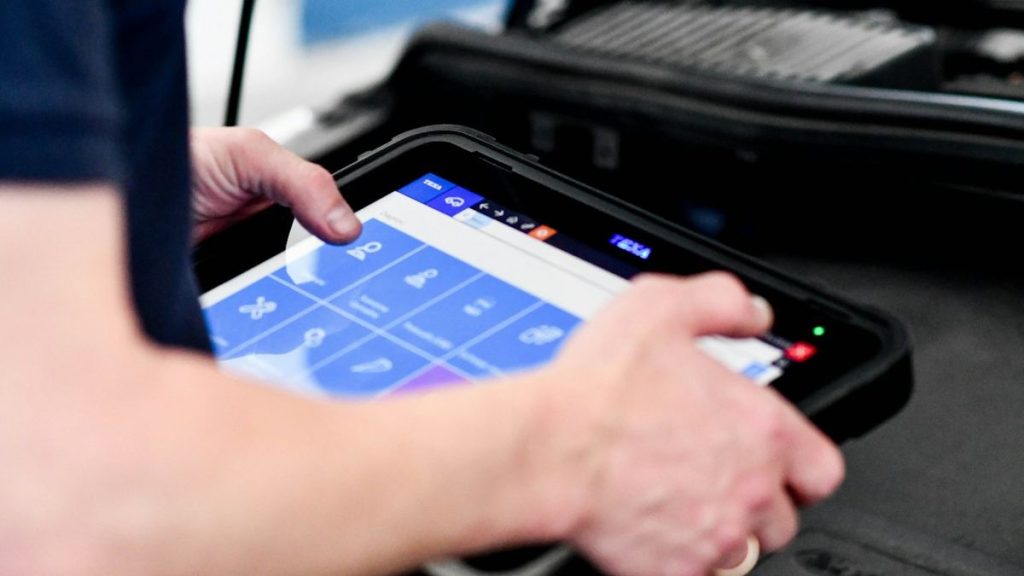
6. Autel MaxiCOM MK808S: 7-Inch Bidirectional Scan Tablet with 3000+ Active Tests and 28+ Services

- Full-system scan with live data and freeze frame
- 3000+ active tests on fans, lights, doors, pumps
- 28+ services incl. oil reset, BMS, SAS, injector
- 7" screen, wired OBD-II cable, FCA and VAG gateway access
The Autel MaxiCOM MK808S is a 7 inch tablet scan tool that connects to the car with a wired OBD-II cable rather than Bluetooth. It runs full-system diagnostics across the engine, automatic transmission, ABS, body and electrical modules, and its live data screen can show several sensor streams at once alongside freeze frame data. The listing names coverage of more than 200 brands, including domestic, European and Asian models.
Active tests are the main reason to buy it. The listing says it can command more than 3,000 actuators, such as fans, lights, the horn, doors, windows, mirrors and pumps, so you can check that a part responds before replacing it. Its service menu has more than 28 functions, including oil reset, battery management, steering angle sensor, injector coding, clutch learn and suspension calibration, plus gateway access for newer FCA, Renault and VAG vehicles.
This is the most capable tool here and the most to learn, so it suits an experienced DIYer who works on several makes. The listing mentions an annual fee for ongoing software upgrades, so budget for that if you want new coverage. Functions vary by vehicle, so check compatibility for your exact car before you order.
View Autel MaxiCOM MK808S on Amazon
Which Scanner Fits Your Garage
Use the table to match a tier to the work you do. Most people buying the best obd2 scanner for DIY mechanics land in the middle two rows.
| Tool tier | What it reads | Suits | Example |
|---|---|---|---|
| Code reader | Engine codes, freeze frame, readiness | Checking a light before a shop visit | ANCEL AD310 |
| Scanner with live data | Adds graphed sensor data, EVAP and O2 tests | Oil-change and brake-job DIYers who want to diagnose | FOXWELL NT301 |
| Multi-system scanner | Adds ABS, SRS, transmission codes | Owners chasing ABS or airbag lights | BlueDriver, LAUNCH CRP129E |
| Bidirectional tool | Adds active tests, resets and relearns | Experienced DIYers doing brakes, batteries and sensors | Innova 5610, Autel MK808S |
A bidirectional tool is only useful if it supports your car. On many European models the electronic parking brake and battery registration need a tool that covers that make, which is why our common Audi fault codes guide notes where a generic reader stops being enough.
Using a Scanner Without Fooling Yourself
- Write the code and freeze frame down first: clearing erases them, and you lose the most useful clue you had.
- Fix, then clear: clearing a code without a repair only turns the light off until the fault returns, and it resets readiness.
- Treat a flashing light as urgent: CARB says a blinking light means a fault that could damage the catalytic converter. Read our guide to a check engine light flashing before you drive far.
- Leave airbag faults to a repair: never clear an SRS code to switch off the warning without fixing the cause, because the airbag may not deploy.
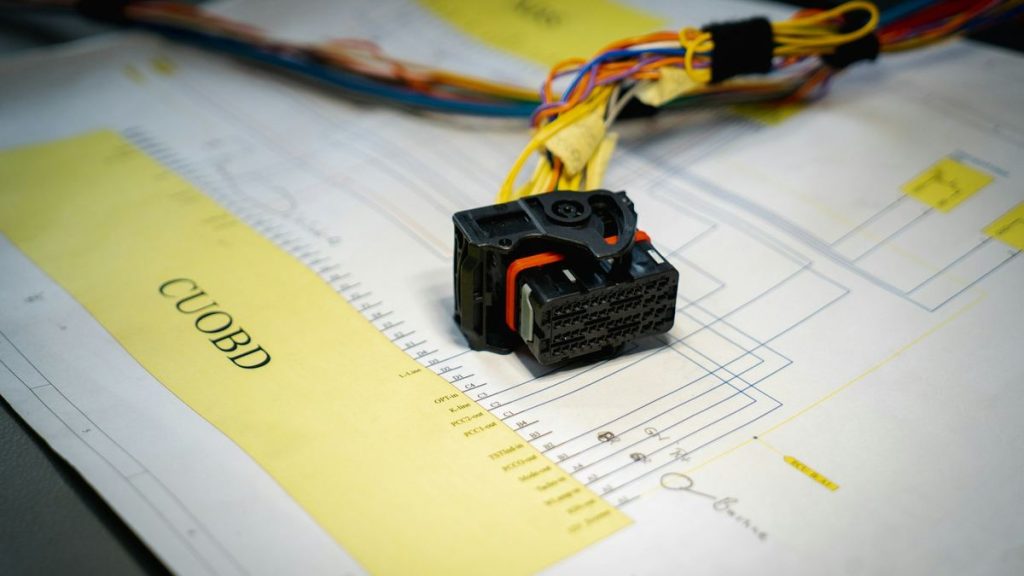
In West Michigan, road salt and slush get into connectors and wiring under the car, so a sensor circuit code in late winter can be a corroded plug rather than a failed part. Buying a used car this winter? Plug in a scanner and check readiness as part of our used car buying checklist.
When a Code Needs a Mechanic
A scanner tells you where to look, not always what failed. Codes that return after a repair or appear across several systems usually need pinpoint tests with a meter, smoke machine or factory-level software.
That is where our check engine light diagnostic in Grand Rapids comes in. Bring your scanner’s codes and freeze frame notes, and we will take the diagnosis from there on foreign and domestic vehicles.
More Buying Guides
Frequently Asked Questions
What is the difference between a code reader and a scan tool?
A code reader reads and clears engine and emission codes and usually shows freeze frame and readiness. A scan tool adds live sensor data, and the more capable ones read ABS, airbag and transmission modules or send test commands to the car.
Do DIY mechanics need a bidirectional scan tool?
Not for reading codes. A bidirectional tool earns its place when you do jobs that need the car’s computer, such as retracting an electronic parking brake for rear pads, registering a new battery or testing a fuel pump, and only if it covers your make.
Will clearing a code fix the check engine light?
No. Clearing turns the light off and erases the freeze frame, but if the fault is still there the code comes back. It also resets the readiness monitors, which need a period of normal driving to complete again.
Is a Bluetooth OBD2 scanner as good as a handheld?
It can be. App-based tools like the BlueDriver read codes, live data and some ABS and airbag modules through your phone. A handheld doesn’t depend on a phone or app, which some people prefer to keep in the car.
Codes you can’t pin down in Grand Rapids? Call 456 AutoFix at 616-279-3832, Monday to Friday 8am to 5pm, or book a check engine light diagnostic through our contact page.
Can’t make it during the day? Use our after-hours drop-off. We’re at 456 Carrier St NE in Creston.